

Mr.Wayne
The Ultimate Accessory: Choosing the Perfect Men’s Leather Belt

Table of Contents
In the realm of men’s fashion, a belt is more than just a functional item; it’s a statement of style and sophistication. While often overlooked, the right belt can elevate an outfit, providing a subtle yet significant touch that speaks volumes about personal style and attention to detail. This is particularly true for leather belts, which have stood the test of time as a quintessential accessory in a gentleman’s wardrobe.
Leather Belts: A Timeless Accessory
Leather belts, renowned for their durability, versatility, and classic appeal, have been a staple in men’s fashion for centuries. They offer a unique blend of practicality and elegance, making them suitable for a wide range of occasions, from formal events to casual outings. The beauty of a leather belt lies in its ability to age gracefully, developing a unique patina over time that adds character and charm.
In this guide, we will delve into the nuances of selecting the perfect men’s leather belt. From understanding the quality of leather to matching the belt with your personal style, we aim to provide comprehensive insights that will help you make an informed choice. Whether you’re looking to make your first leather belt purchase or seeking to expand your collection, this guide will serve as your go-to resource for all things related to this ultimate accessory.
Understanding Leather Quality
The Essence of Leather in Belts
When it comes to choosing a men’s leather belt, the quality of the leather is paramount. Leather, as a natural material, offers durability, flexibility, and a timeless aesthetic. However, not all leather is created equal, and understanding the different types available is crucial in making an informed decision.
Types of Leather Used in Belts
- Full-Grain Leather: This is the highest quality leather, known for its strength and ability to develop a rich patina over time. Full-grain leather includes the outermost layer of the hide, which contains the natural grain and imperfections, adding to its character.
- Top-Grain Leather: A more refined version of full-grain leather, top-grain leather has the top layer slightly sanded to remove imperfections. It’s more pliable and has a uniform appearance, making it popular for high-end belts.
- Genuine Leather: Often misunderstood, genuine leather is not the highest quality of leather. It’s made from the remaining layers of the hide after the top is split off, treated and painted to create a uniform look. While it’s more affordable, it lacks the durability and patina of higher-grade leathers.
- Bonded Leather: The lowest quality of leather, bonded leather is made from leftover scraps and fibers bonded together with adhesives and coated with polyurethane. It’s less durable and lacks the authentic feel and aging properties of real leather.
Identifying High-Quality Leather
- Texture and Feel: High-quality leather feels supple and smooth. Full-grain leather will have a natural grain texture, while top-grain will be more uniform.
- Smell: Genuine leather has a distinct, natural smell, unlike synthetic materials.
- Edges: The edges of a good leather belt should be smooth and well-finished. Rough or frayed edges can indicate lower quality.
- Flexibility: Quality leather should be flexible but not overly stretchy, as it needs to maintain its shape and structure.
Leather Aging and Patina
One of the most appealing aspects of high-quality leather belts is their ability to develop a patina over time. This natural aging process is a sign of good leather and results in a unique coloration and sheen that adds character to the belt. The patina develops as the belt is exposed to natural elements like sunlight, moisture, and the oils from your skin, making each belt distinctively yours.
Belt Styles and Occasions
Navigating the World of Men’s Leather Belts

Choosing the right leather belt involves more than just picking out a color or material; it’s also about understanding the different styles and knowing which type suits various occasions. Men’s leather belts typically fall into two main categories: dress belts and casual belts. Each type serves a different purpose and complements different outfits.
Dress Belts: The Mark of Formality
- Characteristics of Dress Belts: Dress belts are characterized by their sleek and simple design. They are typically narrower (usually around 1 to 1.5 inches wide), with a small, flat buckle. The leather is often of a higher shine, lending an air of sophistication.
- When to Wear Dress Belts: These belts are best suited for formal occasions such as business meetings, weddings, or any event where you wear a suit. The rule of thumb is to match your dress belt with your dress shoes, both in color and texture.
- Buckle Style: For dress belts, a classic frame-style buckle in silver or gold tones is standard. The buckle should be understated, complementing the belt without drawing too much attention.
Casual Belts: Versatility and Comfort
- Characteristics of Casual Belts: Casual belts are generally wider (up to 2 inches) and can feature more texture and color variation. The buckles are often larger and can be more decorative or rugged, depending on the style.
- When to Wear Casual Belts: These belts are ideal for everyday wear, from jeans and chinos to shorts. They offer more room for personal expression and can be a focal point in a casual outfit.
- Buckle Style: Casual belt buckles come in various shapes and sizes, from traditional prong buckles to more unique designs. The choice of buckle can significantly influence the belt’s overall style, from sporty to rustic.
The Role of Belt Width and Buckle Style in Different Settings
- Belt Width: The width of the belt should correspond to the formality of the outfit. Narrower belts are more formal, while wider belts are casual.
- Buckle Style: The buckle is not just a closure but a style statement. A simple, polished buckle suits formal attire, while a larger, more decorative buckle can add personality to a casual outfit.
Whether you’re dressing up for a formal event or dressing down for a casual day out, the right leather belt can make all the difference.
Color Coordination and Matching

Mastering the Art of Belt Color Selection
The color of a leather belt plays a crucial role in men’s fashion, serving as a bridge that ties together various elements of an outfit. While the range of colors can be vast, focusing on the most versatile and widely used hues can simplify the process of selecting the perfect belt.
Standard Leather Belt Colors
- Black: The epitome of formality and elegance, a black leather belt is a must-have in any wardrobe. It’s ideal for formal and business settings, easily matching with black shoes and suits.
- Brown: Ranging from light tan to dark chocolate, brown belts offer versatility. They are less formal than black but can still be dressed up or down, making them suitable for a wide range of occasions.
- Tan: A lighter shade of brown, tan belts work well with summer and light-colored outfits. They offer a more casual look and are perfect for pairing with beige, blue, or lighter trousers.
Tips on Matching Belts with Shoes and Other Accessories
- Shoes are the Key: The primary rule in men’s fashion is to match the color of your belt with your shoes. This creates a cohesive and polished look.
- Leather Texture Matters: Try to match the texture of the leather as well. A smooth leather belt pairs best with polished shoes, while a more textured belt suits casual, suede shoes.
- Watch Straps and Other Accessories: For a more detailed approach, consider coordinating your belt with other leather accessories like watch straps, briefcases, or wallets.
Understanding Color Tones and Contrasts in Outfit Coordination
- Complementary Colors: Choose a belt that complements the overall color scheme of your outfit. For instance, a tan belt can add warmth to blue tones.
- Contrast for Casual Looks: In casual settings, don’t be afraid to play with contrast. A dark brown belt on light-colored trousers can add an interesting visual element.
- Consistency in Formal Attire: For formal wear, maintain consistency in color tones. A black belt with black shoes and a dark suit ensures a classic, timeless look.
Selecting the right color for a men’s leather belt is about balancing functionality with style. By understanding the basics of color coordination and matching, you can enhance your outfit’s overall appearance, ensuring a look that is both cohesive and stylish.
Sizing and Fit
The Importance of a Properly Fitted Leather Belt
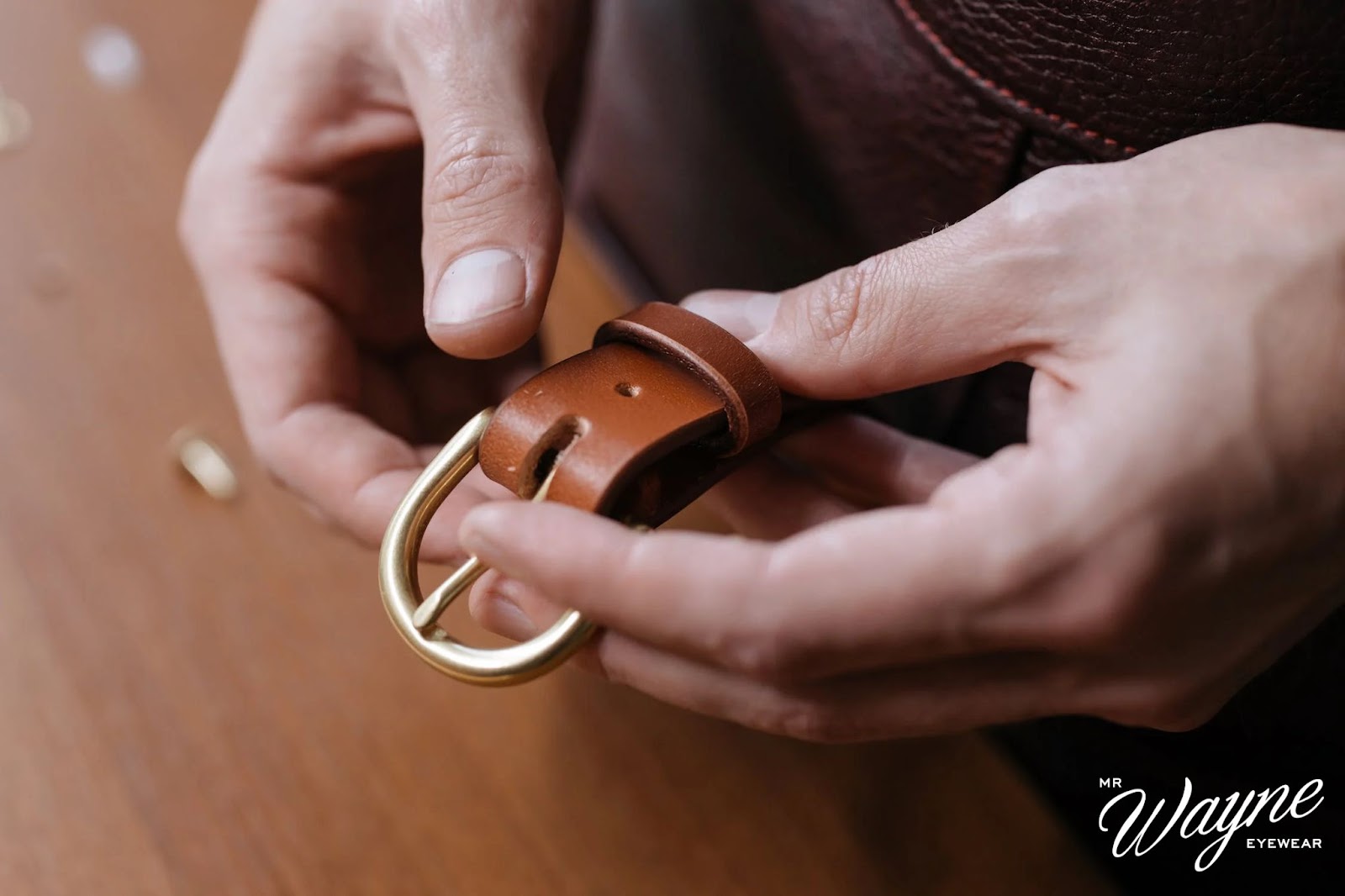
A well-fitting leather belt is not just a fashion statement, but also a comfort necessity. The right size belt provides support, ensures a neat appearance, and adds to the overall look of an outfit. Understanding how to measure and choose the correct belt size is essential for both comfort and style.
How to Measure for the Right Belt Size
- Using Your Pant Size: The simplest way to determine your belt size is to add 2 inches to your pant waist size. For example, if you wear a size 34 in pants, a size 36 belt is usually the right fit.
- Measuring an Existing Belt: If you have a belt that fits well, measure it from the hole you use most often to the end where the buckle attaches. This measurement is your belt size.
- Measuring Your Waist: You can also measure your waist or where you plan to wear the belt. Wrap a tape measure around your waist and note the size. Add 2 inches to this measurement for the correct belt size.
The Importance of a Comfortable Fit
- Not Too Tight, Not Too Loose: A belt should be snug enough to keep your pants in place without being uncomfortably tight. You should be able to fit one or two fingers between the belt and your waist.
- Adjustability: Most belts come with five to seven holes for adjustability. Ideally, you should be able to buckle the belt using the middle hole. This allows for flexibility if your waist size changes slightly.
The Role of Belt Holes
- Spacing and Number: The standard spacing between belt holes is one inch. Having a range of holes allows for adjustments in case of weight fluctuation or to accommodate different layers of clothing.
- Adding Extra Holes: If a belt is too long but fits well otherwise, you can add extra holes. However, it’s important to do this professionally to avoid damaging the belt.
Choosing the right size and fit for a leather belt is crucial for both comfort and appearance. A belt that fits well not only enhances your outfit but also ensures ease of movement and wear throughout the day. By understanding how to measure and select the right size, you can enjoy the perfect combination of style and comfort in your leather belt.
Care and Maintenance
Preserving the Elegance of Your Leather Belt
A leather belt is not just a fashion accessory; it’s an investment. Proper care and maintenance are essential to extend the life of your belt and keep it looking its best. Leather, being a natural material, requires specific attention to maintain its quality and appearance over time.
Proper Storage of Leather Belts
- Avoid Folding: Store your belt rolled up or hung on a belt hanger. Folding can cause creases and damage the leather over time.
- Keep Away from Direct Sunlight: Prolonged exposure to sunlight can dry out the leather and cause it to crack. Store your belt in a cool, dry place.
- Maintain Shape: If hanging, ensure the belt is straight to maintain its shape. Avoid hanging it from the buckle for long periods, as this can stretch the leather.
Cleaning and Conditioning Tips
- Regular Dusting: Use a soft cloth to dust off the belt regularly. This prevents dirt and grime from building up.
- Leather Cleaner: For a deeper clean, use a leather cleaner. Apply a small amount on a soft cloth and gently rub it over the belt. Always test the cleaner on a small, inconspicuous area first.
- Conditioning: Leather conditioners help to keep the leather supple and prevent it from drying and cracking. Apply a leather conditioner every few months, or more frequently if the belt is regularly exposed to harsh conditions.
When to Repair or Replace a Leather Belt
- Scratches and Scuffs: Minor scratches can often be buffed out with a leather conditioner. Deeper scuffs may require professional repair.
- Worn Holes or Buckle: If the holes become stretched or the buckle is damaged, consider having these repaired. A cobbler can often fix these issues easily.
- Signs of Serious Wear: If the belt shows signs of significant wear, such as cracking or splitting, it may be time to replace it.
Taking care of your leather belt is crucial to ensure its longevity and appearance. Regular cleaning, proper storage, and occasional conditioning will keep your belt in excellent condition for years to come. Remember, a well-maintained leather belt not only looks better but also reflects your attention to detail and care for your possessions.
Brand and Price Considerations

Navigating the Market of Leather Belts
When it comes to purchasing a men’s leather belt, the brand and price are significant factors that can influence your decision. The market offers a wide range of options, from luxury designer belts to more affordable, yet quality alternatives. Understanding what different brands offer and how price correlates with quality can help you make a choice that aligns with both your budget and style preferences.
High-End vs. Budget-Friendly Brands
- Luxury Brands: High-end brands often use premium materials and offer exquisite craftsmanship. These belts are typically made from top-quality leather and feature refined details and durable hardware. They are a statement of luxury and can be a significant investment.
- Mid-Range Brands: These brands strike a balance between quality and affordability. They offer good quality leather belts that are stylish and durable, without the premium price tag of luxury brands.
- Budget-Friendly Brands: Affordable brands are accessible to a wider audience. While they may not use the highest grade of leather, many still offer decent quality and style for their price.
Correlation Between Price and Quality
- Material and Craftsmanship: Generally, the higher the price, the better the quality of the leather and the craftsmanship. Full-grain leather belts, for instance, are usually more expensive than genuine leather belts.
- Brand Value: Sometimes, a part of what you pay is for the brand name. Renowned brands often charge a premium for their reputation and design.
- Longevity: Investing in a high-quality belt can be cost-effective in the long run, as it’s likely to last longer and maintain its appearance over time.
Recommendations for Brands That Offer the Best Value for Money
- Research: Look for brands that have good reviews and are known for their quality. Online forums and fashion blogs can be great resources for recommendations.
- Consider Your Needs: If you need a belt for occasional use, a mid-range brand might suffice. For daily wear or a special occasion, investing in a higher-end belt could be worthwhile.
- Check for Warranties: Some brands offer warranties or repair services, which can add value to your purchase.
Choosing the right brand and price point for a men’s leather belt depends on individual needs, budget, and style preferences. While luxury belts offer the highest quality and status, mid-range and budget-friendly options can also provide good quality and style. It’s important to consider the balance between cost, quality, and the intended use of the belt to make a decision that you’ll be satisfied with in the long term.
Ethical and Sustainable Choices
Making Conscious Decisions in Belt Selection
In recent years, there has been a growing awareness and concern about the ethical and environmental impact of fashion, including leather goods like belts. As a result, many consumers are now seeking options that align with their values regarding sustainability and ethical sourcing. This section explores how you can make more conscious choices when selecting a men’s leather belt.
Leather Sourcing and Environmental Impact
- Understanding Leather Sourcing: Leather is a by-product of the meat industry, but its production involves processes that can be harmful to the environment, such as tanning and dyeing. Ethically sourced leather typically comes from farms that practice humane animal treatment and have sustainable farming methods.
- Environmental Considerations: The environmental impact of leather production includes the use of chemicals in tanning and the carbon footprint of livestock farming. Brands that use eco-friendly tanning processes or recycled materials are more sustainable choices.
Brands Offering Ethically Sourced and Sustainable Leather Belts
- Researching Brands: Look for brands that explicitly state their commitment to ethical practices and sustainability. This can include the use of organic or recycled materials, eco-friendly manufacturing processes, and fair labor practices.
- Certifications: Certifications like the Leather Working Group (LWG) can indicate that a brand adheres to environmentally friendly practices in leather production.
- Transparency: Brands that are transparent about their sourcing and manufacturing processes are often more reliable in their ethical claims.
Alternatives to Leather for Those Seeking Vegan Options
- Vegan Leather: Vegan leather offers an alternative to traditional leather, made from materials like polyurethane, cork, or pineapple leaves. While not all vegan leathers are sustainable, they do provide a cruelty-free option.
- Sustainable Materials: Some brands offer belts made from sustainable materials like organic cotton, hemp, or recycled fabrics, which are environmentally friendly alternatives to leather.
Choosing an ethically sourced and sustainable men’s leather belt means considering the environmental and ethical implications of your purchase. By opting for brands that prioritize sustainability and ethical practices, or by choosing alternative materials, you can make a fashion statement that aligns with your values. As consumer awareness grows, more brands are likely to adopt sustainable practices, offering a wider range of options for conscientious buyers.
Personal Style and Customization

Tailoring Your Leather Belt to Your Unique Style
A leather belt is more than just a functional accessory; it’s a reflection of your personal style. In a world where fashion is increasingly about individual expression, having a belt that aligns with your unique taste can make a significant difference. This section explores how to choose a belt that complements your personal style and the options available for customization.
Choosing a Belt That Complements Your Personal Style
- Assess Your Wardrobe: Look at the clothes you wear most often. Are they formal, casual, or a mix? Choose a belt that will harmonize with your most-worn pieces.
- Reflect Your Personality: Are you minimalist or bold in your fashion choices? A simple, classic belt might suit a minimalist, while someone with a bolder style might prefer a belt with distinctive features like unique buckles or patterns.
- Consider Versatility: If you prefer a versatile wardrobe, opt for a belt that can transition smoothly from casual to formal settings. Neutral colors and simple designs offer the most flexibility.
Custom-Made Belts: Options and Considerations
- Material Choices: When going for a custom-made belt, you can choose from a variety of leathers and finishes. Exotic leathers, different textures, and colors can make your belt stand out.
- Buckle Customization: The buckle is a key focal point. Custom buckles can range from engraved metals to artistically crafted pieces, allowing for a high degree of personalization.
- Sizing for Perfect Fit: Custom belts can be made to your exact measurements, ensuring a perfect fit, especially important if standard sizes don’t suit you well.
Adding Personal Touches: Monograms, Custom Buckles
- Monogramming: Adding your initials or a special symbol through monogramming can make your belt uniquely yours. It’s a subtle yet personal touch.
- Custom Buckles: Some brands offer the option to select or design your own buckle. This can range from choosing different metals and designs to creating a completely custom buckle design.
- Stitching and Detailing: Small details like the color of the stitching or the pattern of the belt can add a personal touch without being overwhelming.
Your leather belt is an extension of your personal style. By choosing a belt that reflects your personality, fits well with your wardrobe, and includes personalized touches, you can elevate your fashion statement. Customization options like monogramming, unique buckles, and material choices allow for a high degree of personalization, making your belt not just an accessory, but a personal statement piece.
Conclusion: Choosing the Perfect Men’s Leather Belt
The journey of selecting the perfect men’s leather belt is about balancing functionality, style, quality, and personal expression. A well-chosen belt is more than just a tool to hold up your trousers; it’s an accessory that can significantly enhance your overall appearance and reflect your personal style.
Investing in a high-quality leather belt is investing in an accessory that you can rely on for years. It’s about choosing a piece that ages gracefully, becoming a cherished item in your wardrobe. The right belt not only completes an outfit but also speaks to your attention to detail and appreciation for craftsmanship.
As you select your next leather belt, remember that it’s an accessory that offers both function and fashion. Whether you’re dressing for a formal event, heading to the office, or enjoying a casual day out, the right leather belt can elevate your look. It’s a small accessory, but its impact on your overall style is significant. Choose wisely, care for it well, and your leather belt will be a faithful companion in your sartorial journey.
Unlock your adventure with style – shop exclusive Mr. Wayne drops and embody the spirit of a modern-day man today!
Recommended Reading and Resources
GQ’s Guide to the Best Belts for Men (2023): An extensive guide by GQ covering a range of belts for different styles and occasions. GQ – Best Belts for Me

