


Style
Dressing the Mind: How Fashion Impacts Mental Health and Confidence

Table of Contents
The link between fashion and our mental state is intricate and compelling. Our clothing choices go beyond mere aesthetics; they are a reflection of our mental health and self-confidence. Every piece of clothing we choose can subtly influence our mood, alter our self-perception, and affect how we interact with others. This connection between what we wear and how we feel is not just a contemporary concern but has roots deep in history. Traditionally, clothing has signaled various social cues, from status to profession, yet its impact runs deeper, affecting our inner sense of self.
The purpose of this article is to delve into the relationship between our fashion choices and our psychological well-being. We aim to uncover the psychological underpinnings that link our attire to our self-esteem and mood. Through exploring relevant psychological theories and personal accounts, this piece will shed light on how the simple act of choosing an outfit can have profound implications for our mental health.
We’ll look at how clothing can act as a form of self-expression, a source of comfort, or even a tool for empowerment. By understanding the ways in which our fashion choices resonate with our inner selves, we can begin to appreciate the power of clothing as more than just material objects but as key components in shaping our daily experiences and interactions. We will not only highlight the significant role of fashion in our lives but also encourage a more mindful approach to the way we dress, one that acknowledges and embraces the deep connection between what we wear and how we feel.
Historical Context and Psychological Perspectives
The relationship between fashion and psychology has evolved significantly over centuries, reflecting broader societal changes and advancements in our understanding of human behavior. Historically, fashion has been a mirror to society, capturing the zeitgeist of an era, its social structures, and cultural norms. From the sumptuary laws of the Middle Ages that dictated clothing based on social hierarchy, to the extravagant fashions of the aristocracy during the Renaissance, clothing has always been a powerful indicator of societal values and individual status.
In the 20th century, the study of fashion took a psychological turn as researchers began to explore the reasons behind clothing choices and their impact on the individual. Psychologists started to unravel the complex interplay between attire, identity, and perception. Key theories emerged, such as the concept of “enclothed cognition,” which suggests that the clothes we wear can influence our psychological processes. This theory posits that wearing certain types of clothing can change the way we think and feel about ourselves, and even alter our cognitive abilities.
Another significant perspective is the social identity theory, which examines how fashion choices contribute to group identity and social categorization. This theory highlights the role of clothing as a tool for signaling belonging to certain social or cultural groups, and how this can impact an individual’s sense of identity and self-esteem.
These psychological perspectives provide a framework for understanding the deep-seated reasons behind our fashion choices. They suggest that clothing is not just about outward appearance but is intrinsically linked to our mental processes, emotions, and social interactions. For example, choosing to wear a suit for a job interview not only communicates professionalism but can also boost the wearer’s confidence and perceived competence.
As we explore the history and psychology of fashion, it becomes clear that our clothing choices are laden with psychological significance. They are a form of non-verbal communication that can express our personality, mood, and social status. Understanding this relationship helps to appreciate the profound impact that fashion can have on our mental health and confidence. It’s not just about following trends or adhering to societal norms, but about making choices that resonate with our personal identity and emotional needs.
The Impact of Fashion on Mental Health
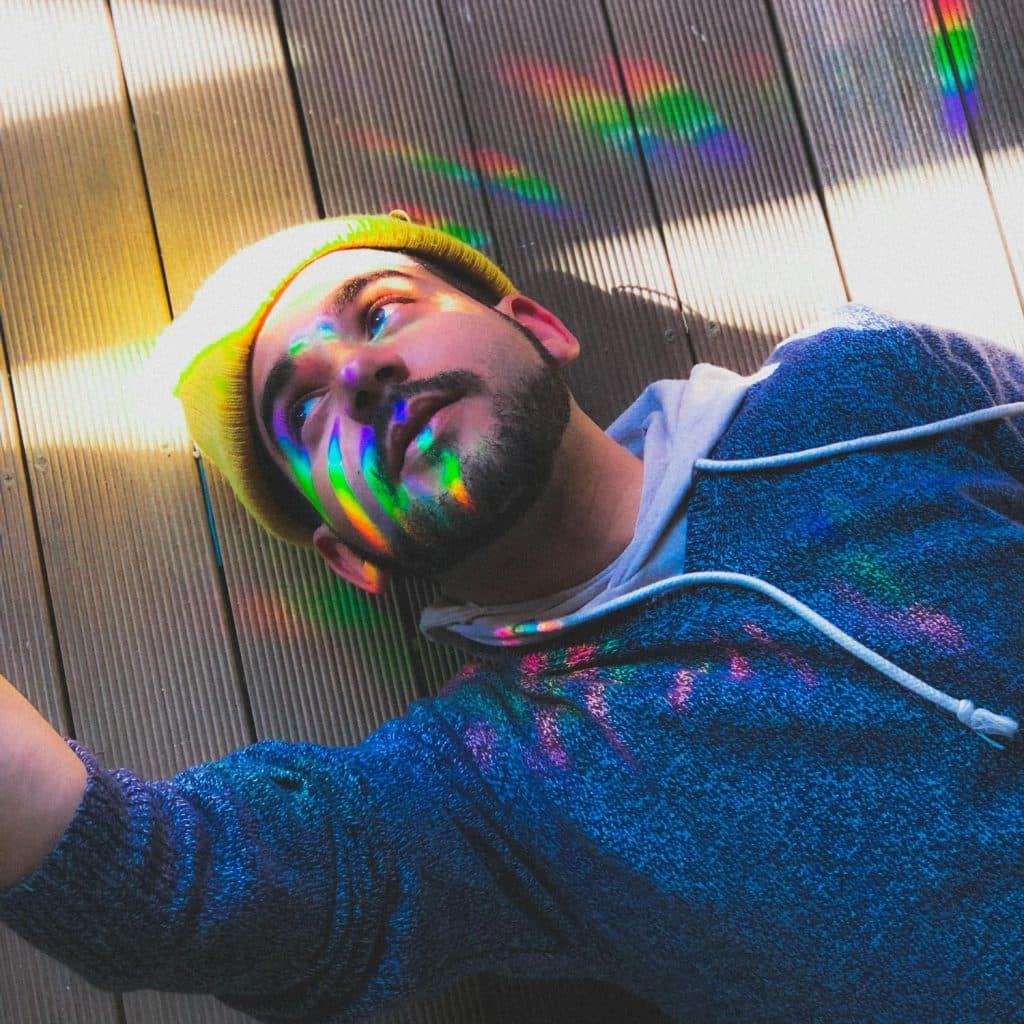
Fashion’s influence extends beyond the superficial, deeply intertwining with our mental health in ways that are both empowering and, at times, challenging. The emotional connection we have with our clothes can significantly affect our mood and self-esteem, making fashion a potent tool for mental health management but also a potential source of distress.
Emotional Connections and Memories
Clothes often carry emotional weight, serving as tangible reminders of certain periods, experiences, or feelings in our lives. A wedding dress, a graduation gown, or even a simple pair of shoes bought on a memorable trip can evoke a flood of emotions upon wear. This connection between clothing and emotion can be leveraged to boost mood or recall positive memories. However, it can also mean that clothing associated with negative experiences can impact our mental health. Being mindful of these emotional ties can help us curate a wardrobe that uplifts and supports our mental well-being.
Self-expression and Identity
Our fashion choices are a primary mode of self-expression and an extension of our identity. The ability to express oneself through clothing can significantly enhance self-esteem and promote a positive mental health outlook. For many, the act of picking out clothes that align with their sense of self is a daily ritual of affirming their identity and boosting confidence. On the flip side, when individuals feel pressured to conform to fashion trends or societal norms that don’t resonate with their personal identity, it can lead to feelings of inadequacy and low self-esteem.
The Role of Fashion in Body Image
One of the most direct ways fashion impacts our mental health is through its influence on body image. The right clothing can make us feel confident, attractive, and comfortable in our skin, while ill-fitting or unflattering clothes can do the opposite. The fashion industry’s standards of beauty and the pervasive culture of comparison, particularly on social media, can exacerbate body image issues and negatively affect mental health. Encouraging a fashion culture that celebrates diversity and promotes body positivity can help mitigate these issues, allowing individuals to feel more accepted and confident.
The Dark Side of Fashion
While fashion can be a source of joy and self-expression, it’s crucial to acknowledge its potential negative impacts on mental health. The pressure to keep up with constantly changing trends can lead to financial stress, shopping addictions, and a never-ending cycle of comparison and dissatisfaction. Moreover, the exclusivity promoted by the fashion industry can make people feel left out or inadequate if they can’t afford certain brands or don’t fit into the standard sizes. Recognizing these pressures and finding ways to navigate the fashion world that prioritize mental health and self-acceptance is essential.
The impact of fashion on mental health is multifaceted. By understanding the emotional connections to our clothes, embracing fashion as a form of self-expression, and advocating for a more inclusive and body-positive fashion industry, we can harness the power of our wardrobes to support our mental health and confidence. The key is to find a balance that allows us to enjoy fashion as a form of personal expression while maintaining a healthy and positive self-image.
Fashion and Confidence Building
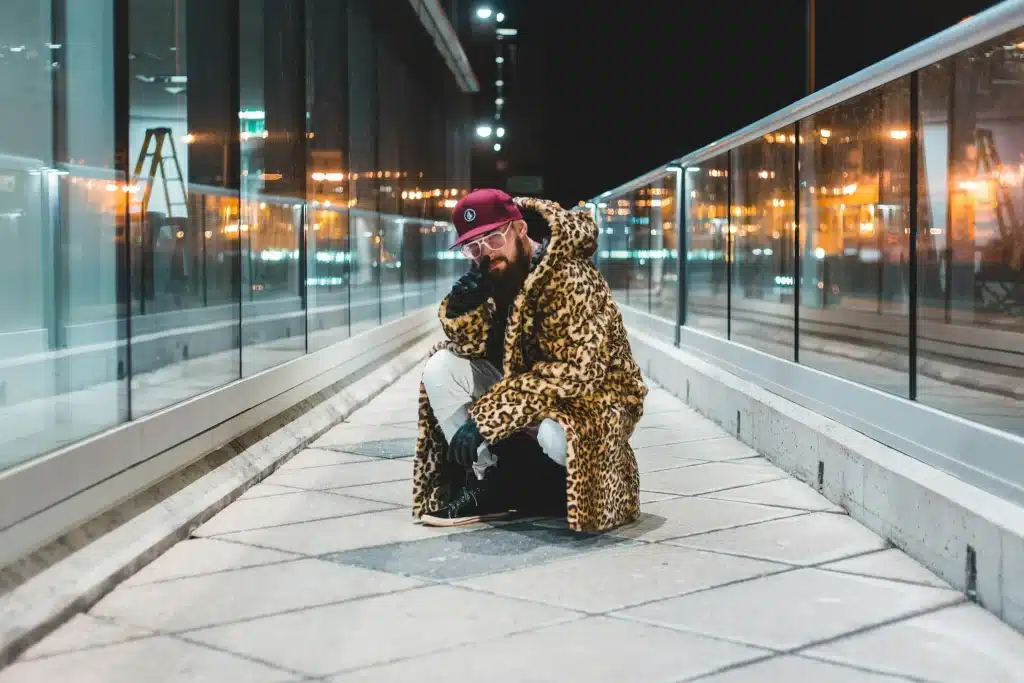
The dynamic relationship between fashion and confidence is both compelling and transformative. Clothing is not just fabric we adorn; it’s a powerful tool for enhancing our self-esteem and influencing how we are perceived by others. The concept of “power dressing” is a testament to fashion’s ability to imbue us with confidence, impacting not only our self-perception but also how we navigate social and professional environments.
Power Dressing and Psychological Effects
“Power dressing” involves selecting attire that projects an image of authority, competence, and confidence. This practice, rooted in the 1980s professional world, continues to be relevant today. Wearing clothes that make us feel powerful can alter our psychological state, leading to increased assertiveness and confidence. For instance, a well-tailored suit might not only change how others perceive us but can also enhance our own self-assurance, making us feel more prepared to tackle challenges.
Evidence from Research
Research in social psychology provides evidence for the “enclothed cognition” concept, suggesting that the clothing we wear can influence our psychological processes. Experiments have shown that subjects who wore lab coats, associated with attentiveness and carefulness, performed better on attention-related tasks than those who did not. This suggests that there is a significant psychological impact associated with the clothes we wear, affecting our performance and confidence levels.
Personal Anecdotes
Many individuals attribute moments of personal success and increased confidence to their attire. Whether it’s wearing a favorite dress that brings compliments or choosing an outfit that feels uniquely ‘you,’ these choices can significantly boost your self-esteem. Personal stories often reflect how a carefully chosen ensemble for a job interview or a public speaking event provided that extra dose of confidence needed to succeed.
Encouraging Confidence Through Fashion
Building confidence through fashion involves more than just dressing well; it’s about understanding and expressing your personal style in a way that feels authentic and empowering. It means choosing clothes that make you feel good about yourself, regardless of trends or brand names. Here are some tips for developing a confidence-boosting wardrobe:
- Know Your Style: Invest time in understanding what styles make you feel most comfortable and confident.
- Fit Over Fashion: Choose clothes that fit well, as comfort can significantly impact your confidence.
- Color Psychology: Utilize colors that make you feel powerful. Different colors can evoke various emotions and states of mind.
- Dress for Yourself: Ensure your fashion choices reflect your personality and not just societal expectations or trends.
Fashion’s impact on confidence is undeniable. By making intentional choices about our clothing, we can harness fashion’s power to not only reflect but also enhance our inner strength and confidence.
Therapeutic Fashion: Using Clothing as a Tool for Mental Health Improvement
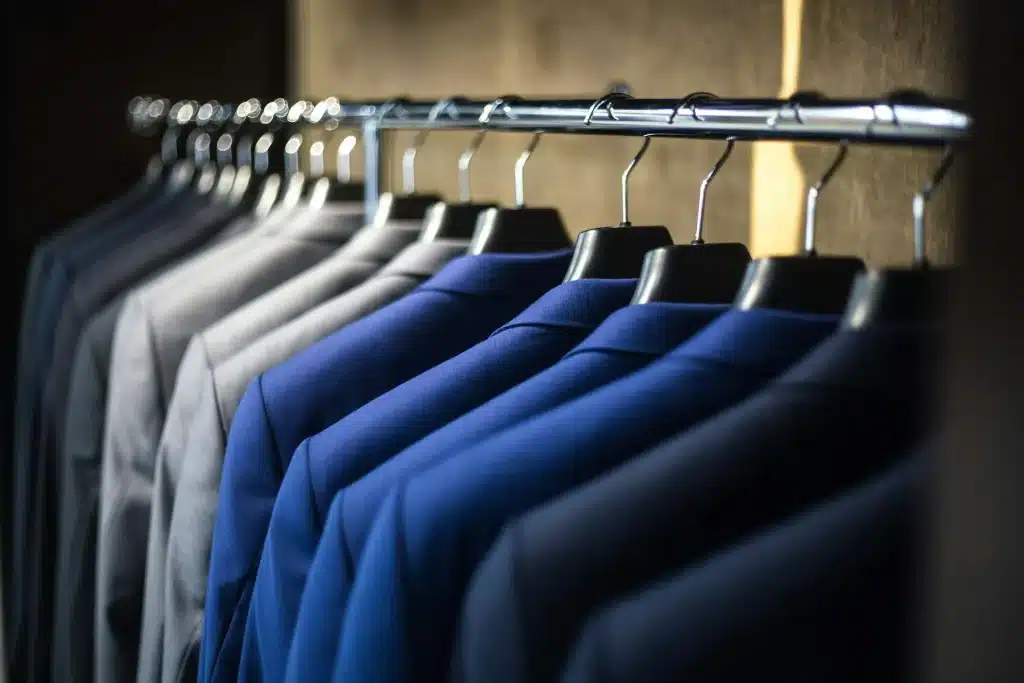
The concept of therapeutic fashion underscores the profound relationship between what we wear and our mental health. Viewing fashion as a tool rather than merely a necessity opens up avenues for enhancing psychological well-being through our wardrobe choices.
Therapeutic Benefits of Personal Style
Personal style is an expression of identity; it communicates who we are and how we feel about ourselves. By aligning our clothing choices with our personal values and desires, we can achieve a sense of authenticity and self-acceptance that is deeply therapeutic. Wearing clothes that reflect our true selves can validate our feelings and encourage a positive self-image, acting as a daily reminder of our uniqueness and worth.
Mindful Wardrobe Curating
Developing a mindful approach to curating our wardrobe involves choosing pieces that not only appeal to our aesthetic sensibilities but also contribute to our mental and emotional well-being. This means selecting items that:
- Evoke Positive Emotions: Incorporating clothing that brings back happy memories or makes us feel good can have a uplifting effect on our mood.
- Promote Comfort and Confidence: Opting for garments that fit well and make us feel comfortable in our skin encourages self-confidence and ease.
- Reflect Personal Values: Choosing brands and pieces that align with our ethical and environmental values adds a layer of integrity and satisfaction to our fashion choices.
The Role of Fashion Therapists and Wardrobe Consultants
For those looking to deeply explore the connection between fashion and mental health, fashion therapists and wardrobe consultants offer specialized services that go beyond traditional styling. These professionals work to understand an individual’s emotional and psychological needs, helping them develop a personal style that promotes mental well-being. Through personalized sessions, clients learn to use clothing as a form of self-care and expression, further solidifying the therapeutic role of fashion in their lives.
Encouraging a Therapeutic Fashion Approach
- Inventory Check: Regularly assess your wardrobe to ensure it aligns with your current emotional and psychological state.
- Intentional Purchasing: Buy clothes with purpose, considering their potential impact on your mental health.
- Experimentation: Don’t be afraid to experiment with styles or items that you feel might express a hidden part of your personality or mood.
Adopting a therapeutic approach to fashion encourages us to see our clothing choices as an integral part of our mental health toolkit. By cultivating a wardrobe that truly reflects and supports our inner selves, we can navigate life with greater confidence and resilience.
Sustainable Fashion and Mental Well-being
The movement towards sustainable fashion is not just about environmental responsibility; it also has significant implications for our mental well-being. By choosing sustainable and ethical fashion options, we engage in practices that reflect our values, leading to a sense of fulfillment and integrity that enhances our psychological health.
Environmental Awareness and Mental Health
The act of choosing sustainable fashion aligns with a broader awareness of our environmental impact, fostering a connection between personal actions and global consequences. This alignment can instill a sense of purpose and responsibility, contributing to positive mental health by providing a sense of belonging to a larger community committed to positive change. The knowledge that one’s fashion choices are contributing to the well-being of the planet can bring about a deep sense of satisfaction and peace.
The Psychological Benefits of Sustainable Choices
Opting for sustainable fashion can lead to a decluttering of both our physical and mental spaces. Sustainable fashion often emphasizes quality over quantity, encouraging a minimalist approach that can reduce the stress and decision fatigue associated with a cluttered wardrobe. This minimalist approach not only simplifies our daily routines but also promotes a more focused and mindful lifestyle.
Moreover, engaging in sustainable fashion practices can boost self-esteem and personal growth. Knowing that you are making conscious choices that benefit the environment and society contributes to a positive self-image and a greater sense of personal efficacy.
Encouraging Sustainable Fashion Practices
- Educate Yourself: Learn about sustainable brands and the impact of fashion on the environment.
- Quality Over Quantity: Invest in high-quality pieces that last longer, reducing waste and fostering a more meaningful connection with your clothing.
- Support Ethical Brands: Choose brands that prioritize ethical practices, reinforcing your values through your fashion choices.
In embracing sustainable fashion, we not only take a step towards protecting the environment but also enhance our mental well-being by living in alignment with our values and beliefs. This harmonious balance between ethical living and psychological health underscores the profound impact of our fashion choices on our internal state.
Challenges and Criticisms

While fashion can be a powerful medium for self-expression and mental health enhancement, it’s essential to address the challenges and criticisms that come with placing significant emphasis on clothing and appearance. This awareness can help us navigate the fashion world more mindfully, ensuring that our engagement with fashion remains healthy and positive.
Overemphasis on Appearance
One of the primary criticisms of focusing too heavily on fashion is the potential for cultivating an overemphasis on appearance. When too much importance is placed on how we look, there’s a risk of neglecting other aspects of our well-being, such as our emotional, intellectual, and social health. It’s crucial to remember that while clothing can influence confidence and mood, true self-worth comes from a combination of qualities and achievements, not just appearance.
Financial and Environmental Concerns
The pursuit of fashion can also lead to financial stress, particularly in a culture that values the latest trends and designer labels. This pressure can result in spending beyond one’s means, contributing to financial insecurity. Furthermore, the environmental impact of fast fashion—characterized by quick and cheap production to keep up with trends—raises significant ethical and sustainability concerns. The challenge lies in finding a balance between enjoying fashion and being mindful of its broader implications.
Navigating Criticisms
To address these criticisms, it’s helpful to adopt a more holistic approach to fashion:
- Focus on Personal Growth: Balance the focus on appearance with efforts to cultivate other personal qualities and skills.
- Practice Sustainable Fashion: Choose quality over quantity, support ethical brands, and consider the environmental impact of your fashion choices.
- Mindful Consumption: Be conscious of the reasons behind your fashion choices, aiming for those that bring genuine joy and confidence rather than succumbing to external pressures.
In navigating the challenges and criticisms of fashion, the goal is not to diminish its value but to engage with it in a way that enriches our lives and respects our well-being, financial stability, and the environment.
Conclusion: Fashion and mental health
The journey through the layers of how fashion impacts mental health and confidence underscores the profound connection between our sartorial choices and our psychological well-being. Fashion, far from being merely about aesthetics, plays a significant role in expressing our identity, shaping our self-perception, and influencing our emotional state.
As we consider the implications of our fashion choices, it becomes clear that mindfulness and intentionality are key. By embracing fashion as a form of personal expression that resonates with our true selves, we can enhance our confidence and mental health. Moreover, addressing the challenges and criticisms associated with fashion encourages us to pursue a balanced and thoughtful approach, one that values self-expression and well-being over conformity and superficiality.
In the end, the fabric of our clothes intertwines with the fabric of our lives, weaving a narrative that is uniquely ours. Let us choose our wardrobes not just with an eye for style, but with a heart for the well-being of our minds, bodies, and the world around us.
Discover your next favorite piece that speaks to your style and supports your well-being by visiting our online shop.
Further Reading
To explore the intricate relationship between fashion and psychology further, consider delving into these recommended readings and resources:
- The Psychology of Fashion by Carolyn Mair, PhD: This resource offers insights into the psychological implications of fashion choices, discussing how attire influences perceptions, behaviors, and self-esteem. Carolyn Mair, a pioneer in the field, provides a deep dive into the psychology behind our clothing decisions and their broader social impacts.
- Research in the Social Psychology of Dress: This article presents a comprehensive review of research within the social psychology of dress, exploring how clothing relates to body image, self-concept, and social perceptions. It’s a foundational text for understanding the depth of research in the field.
- The Psychology Behind Our Fashion Choices: Interview with Professor Carolyn Mair: This engaging interview with Professor Carolyn Mair offers personal insights into the psychological aspects of fashion, emphasizing the importance of clothing in expressing identity and affecting our confidence and mental well-being.


Pingback: Top 10 Grooming Essentials for Your Daily Regimen | Ultimate Guide