

Style
The Ultimate Guide to Men’s Haircuts: Styles, Trends, and Grooming Tips

Table of Contents
A good haircut is an essential part of a man’s overall appearance and can significantly impact his confidence and style. When choosing a haircut, there are several factors to consider, such as face shape, hair type, personal style, and current trends. This guide will provide an in-depth look at popular men’s haircut styles, grooming tips, and everything you need to know to achieve the perfect haircut.
Face Shape and Hair Type

Before delving into specific haircuts, it’s crucial to understand your face shape and hair type. Identifying your face shape will help you choose a haircut that complements your features and enhances your overall appearance. The main face shapes include:
- Oval: Characterized by a slightly longer face with a rounded chin and forehead. This face shape is versatile and suits most haircuts.
- Round: Defined by a face that is nearly equal in length and width, with soft, curved features. Opt for haircuts that add height and angles to elongate the face.
- Square: Featuring a strong jawline and a broad forehead, this face shape benefits from haircuts that soften the angular features.
- Heart: Wider at the forehead and narrower at the chin, this face shape looks best with haircuts that balance the proportions and draw attention away from the forehead.
- Diamond: Characterized by high, prominent cheekbones and a narrow forehead and chin. Choose haircuts that add width to the forehead and chin while keeping the sides short.
In addition to face shape, your hair type plays a significant role in determining which haircuts will work best for you. Hair types include:
- Straight: Hair that falls flat and lacks natural volume. Straight hair is easy to style and maintains its shape well.
- Wavy: Hair with a slight wave or curl pattern. Wavy hair has more volume than straight hair and can be styled in various ways.
- Curly: Hair with defined curls or coils. Curly hair requires more moisture and specific styling techniques to maintain its shape and reduce frizz.
- Coily: Very tight curls or coils that are often fragile and prone to dryness. Coily hair benefits from gentle handling and moisture-rich products.
To find the perfect haircut, consider your face shape and hair type together. For example, if you have a round face and straight hair, a short, textured cut with volume on top can help elongate your face and add dimension to your hair.
Classic Men’s Haircuts
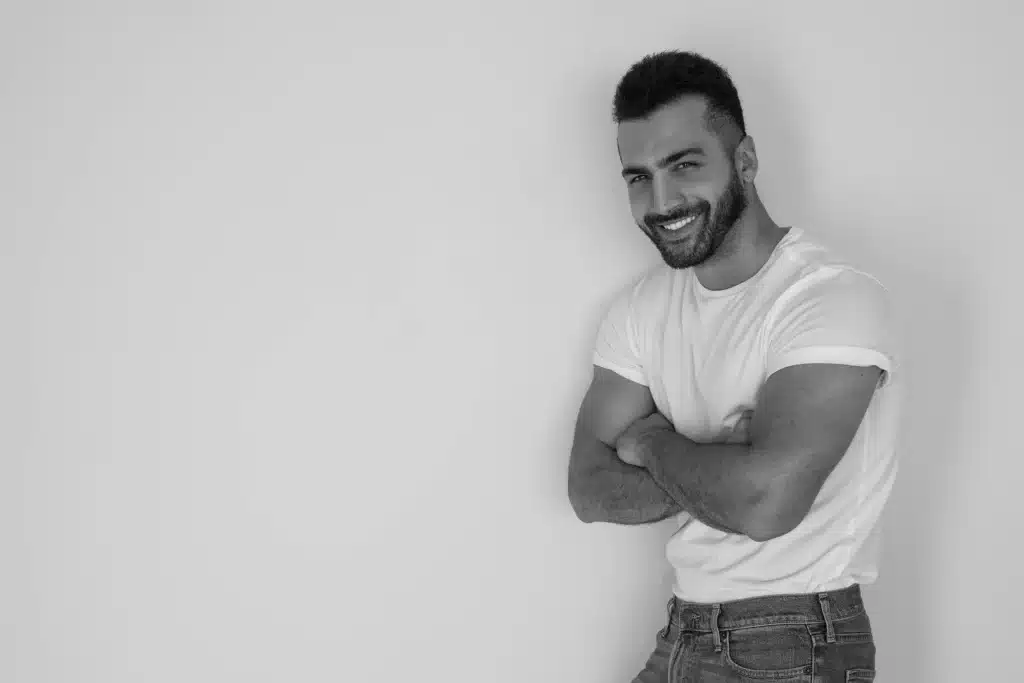
There are several classic men’s haircuts that have stood the test of time and remain popular choices for men of all ages and styles.
- Buzz Cut: A very short, uniform haircut achieved with electric clippers. This low-maintenance style is ideal for those with busy lifestyles or a preference for a clean and simple look.
- Crew Cut: Similar to a buzz cut but slightly longer, with hair on the top of the head tapered down to the sides and back. A crew cut is versatile and can be styled in various ways.
- Side Part: A timeless and sophisticated haircut featuring a deep side part and longer hair on top, which is combed over to one side. This style works well for both formal and casual occasions.
- Pompadour: Characterized by longer hair on top that is styled up and back, creating a voluminous, swept-back look. The pompadour is a classic choice for men who want a bold and stylish appearance.
- Quiff: Similar to a pompadour, but with a more textured and tousled appearance. A quiff has shorter sides and a longer top that is styled up and back, often with a messy or casual finish.
- Slicked Back: A sleek and polished style achieved by combing hair back from the forehead and securing it with pomade or gel. This style is perfect for formal events or a sophisticated everyday look.
- Ivy League: Also known as a Harvard Clip or Princeton Cut, this style features short sides and a slightly longer top that is parted and styled with a bit of height. It’s a neat and polished haircut suitable for professional settings.
- French Crop: A short, textured haircut with a blunt fringe (bangs) and tapered sides. The French crop is a versatile and modern take on a classic style.
Modern and Trendy Haircuts

In addition to classic styles, there are many modern and trendy haircuts that have gained popularity in recent years.
- Undercut: Characterized by very short or shaved sides and back, with longer hair on top. The undercut is a bold and edgy style that can be paired with various lengths and textures on top.
- Fade (Low, Mid, High): A gradual reduction in hair length from the top of the head down to the sides and back. Fades can be low, medium, or high, depending on where the transition begins. They can be combined with many different hairstyles on top.
- Taper: Similar to a fade, but with a more subtle and gradual transition in hair length. Tapers are a conservative and versatile choice that can be incorporated into many classic and modern styles.
- Textured Crop: A short, choppy haircut with a textured top and shorter sides. This style adds depth and movement to the hair, making it a popular choice for men with thick or wavy hair.
- Mohawk and Faux Hawk: The mohawk features shaved sides and a strip of longer hair running down the center of the head. A faux hawk is a tamer version, with shorter sides and a longer, textured top that resembles a mohawk when styled.
- Man Bun and Top Knot: Long hair that is gathered and tied into a bun or knot at the crown of the head. These styles have become increasingly popular among men with longer hair and can be dressed up or down depending on the occasion.
- Messy and Bedhead Styles: Intentionally tousled and disheveled hairstyles that create a casual, laid-back appearance. These styles work well with various hair lengths and textures and can be achieved using minimal styling products.
- Blowout: A style that involves blow-drying the hair up and back to create a voluminous, flowing look. Blowouts are popular among men with medium to long hair and can be styled with a matte or glossy finish.
- Bowl Cut: A one-length haircut with short bangs and hair that falls evenly around the head, resembling a bowl shape. While once considered a dated style, the bowl cut has made a comeback in recent years, with modern variations featuring textured and disconnected cuts.
Haircuts for Different Age Groups
When choosing a haircut, it’s essential to consider your age and lifestyle. Different haircuts can be more appropriate for certain age groups, taking into account factors such as personal style, profession, and hair texture.
- Haircuts for Boys: Young boys often suit short, low-maintenance haircuts such as buzz cuts, crew cuts, or short side parts. These styles are easy to manage and keep hair looking neat and tidy.
- Haircuts for Teenagers: Teenagers have more freedom to experiment with trendy and edgy styles like undercuts, textured crops, or longer, messy looks. At this age, it’s essential to find a haircut that expresses their individuality while still being appropriate for school or other activities.
- Haircuts for Young Adults: Men in their 20s and 30s can explore a wide range of haircuts, from classic styles like pompadours and slick backs to modern interpretations of fades and textured cuts. This age group can also experiment with facial hair to complement their chosen hairstyle.
- Haircuts for Mature Men: For men in their 40s and 50s, classic and sophisticated haircuts such as side parts, tapers, and short textured styles are popular choices. These haircuts can help maintain a professional and polished appearance while still looking modern and stylish.
- Haircuts for Older Men: As men age, their hair may begin to thin or gray. Shorter, textured haircuts can help conceal thinning hair and create a more youthful appearance. Opting for a shorter, low-maintenance style can also make hair easier to manage.
Haircuts for Balding or Thinning Hair

Balding or thinning hair can be a source of concern for many men, but the right haircut can help minimize the appearance of hair loss and boost confidence.
- Choosing the Right Haircut: When dealing with balding or thinning hair, opt for shorter haircuts that create the illusion of fuller, thicker hair. Styles like buzz cuts, crew cuts, and short textured crops work well for men with receding hairlines or thinning hair on the crown.
- Styling Tips for Balding or Thinning Hair: To make hair appear fuller, use volumizing shampoos and conditioners, and apply styling products like mousses or thickening sprays. Avoid using heavy, greasy products that can weigh hair down and make thinning more apparent. When styling, use a blow dryer to lift hair at the roots and create volume.
- Hair Replacement and Restoration Options: For men with more advanced hair loss, hair replacement systems, such as toupees or wigs, can provide a natural-looking solution. Additionally, hair restoration treatments like finasteride, minoxidil, or hair transplant surgery can help slow down hair loss or restore lost hair.
Ethnic Hair Types and Styles
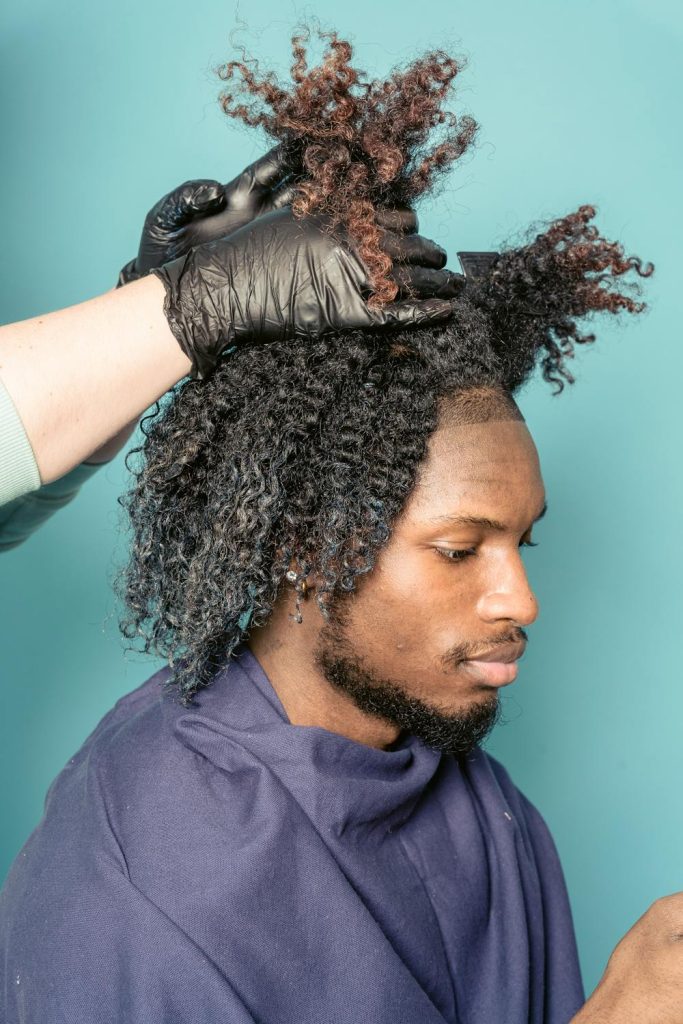
Different ethnic groups have distinct hair textures and characteristics that require specific haircuts and styling techniques.
- African American Hair: African American hair is usually coily or kinky and can be prone to dryness and breakage. Popular haircuts for African American men include fades, short textured cuts, and protective styles like braids or dreadlocks.
- Latino and Hispanic Hair: Latino and Hispanic hair can range from straight to curly, with varying degrees of thickness. Common haircuts for this hair type include fades, pompadours, and textured crops.
- Asian Hair: Asian hair is typically straight and thick, with a tendency to stick out when cut short. Popular Asian men’s haircuts include side parts, slicked-back styles, and layered cuts that add movement and texture.
- Middle Eastern Hair: Middle Eastern hair is usually thick, wavy, or curly. Men from this region often opt for short to medium-length haircuts like fades, undercuts, or textured quiffs.
It’s important to find a barber or stylist who has experience working with your specific hair type and can recommend haircuts and styling techniques that will best suit your hair texture and growth patterns.
Styling Products and Tools
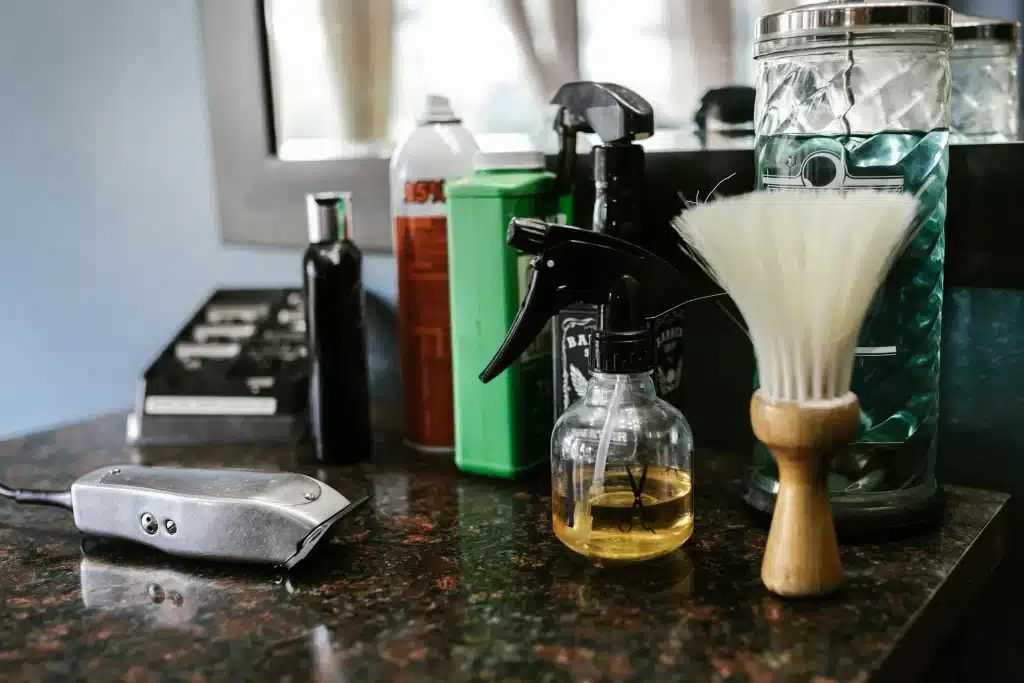
To achieve and maintain your desired haircut, it’s essential to have the right styling products and tools on hand.
- Hair Pomades, Waxes, and Clays: These products are used to create texture, definition, and hold. Pomades offer a shiny finish, while waxes and clays provide a matte look. Choose the product that best suits your hair type and desired style.
- Hair Gels and Creams: Gels and creams are used to provide hold and control, making them ideal for slicked-back or smooth, polished styles. Be cautious when using gels, as they can create a stiff or crunchy appearance if applied too heavily.
- Hair Sprays and Sea Salt Sprays: Hair sprays are used to lock in a style and provide long-lasting hold. Sea salt sprays add texture and volume to the hair, creating a tousled, beachy look.
- Combs, Brushes, and Hair Dryers: Invest in quality combs and brushes to help detangle and style your hair. A good hair dryer can be used to create volume, minimize frizz, and speed up the styling process.
- Straighteners and Curling Irons: For men with longer hair or those looking to create specific styles, straighteners and curling irons can be used to change the texture and shape of the hair.
- Volumizing and Thickening Products: These products are designed to add fullness and body to fine or thinning hair, making it appear thicker and more voluminous.
When selecting styling products, consider your hair type, desired hold, and finish. Experiment with different products to find the ones that work best for your hair and style.
Grooming Tips and Tricks

In addition to choosing the right haircut and styling products, there are several grooming tips and tricks that can help keep your hair looking its best.
- Washing and Conditioning Hair: Wash your hair with a mild shampoo and conditioner suitable for your hair type. Avoid washing too frequently, as this can strip your hair of its natural oils and lead to dryness and damage.
- Styling Techniques for Different Haircuts: Learn the proper styling techniques for your specific haircut. This may involve using a blow dryer, styling products, or specific combing or brushing methods to achieve the desired look.
- Maintaining Your Haircut Between Visits: To keep your haircut looking fresh between barber visits, regularly trim your neck, sideburns, and around your ears using a quality pair of clippers or scissors.
- Dealing with Common Hair Problems: Address common hair problems like dandruff, greasiness, or dryness by using targeted hair care products and making lifestyle changes, such as staying hydrated and eating a balanced diet.
- Hair Coloring and Highlighting: If you choose to color or highlight your hair, select a shade that complements your skin tone and style. Consider seeking the help of a professional colorist to ensure the best results and minimize damage to your hair.
- Hair Care Routines for Healthy Hair: Establish a hair care routine that includes regular trims, deep conditioning treatments, and the use of heat protectant products when styling with hot tools. Protect your hair from sun damage by wearing hats or using products with UV protection.
Finding the Right Barber or Stylist
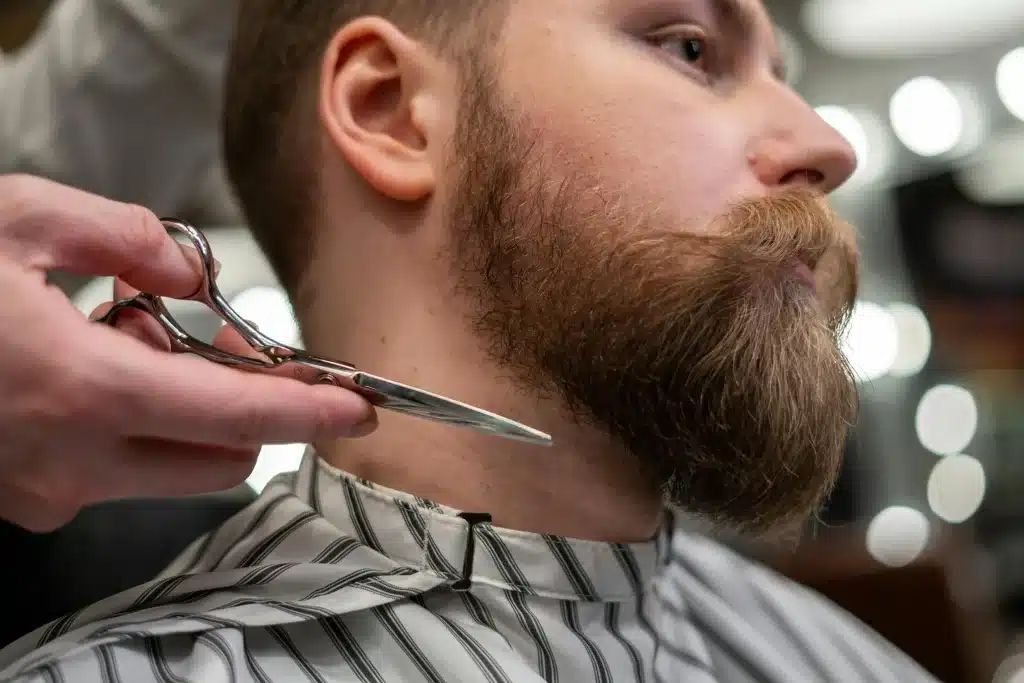
A skilled barber or stylist is essential for achieving the perfect haircut and maintaining your desired style.
- Researching and Reading Reviews: Start by researching local barbershops and salons, reading reviews from previous clients to gauge their experiences and the quality of the services provided.
- Scheduling a Consultation: Before committing to a barber or stylist, schedule a consultation to discuss your desired style, hair type, and any concerns you may have. This will also allow you to assess the professional’s communication skills and knowledge.
- Communicating Your Desired Style: Clearly communicate your desired haircut and style to your barber or stylist. Bring pictures of haircuts you like and be open to their suggestions based on your hair type and face shape.
- Building a Relationship with Your Barber or Stylist: Once you find a barber or stylist you trust, work on building a relationship with them. Regular visits and open communication will help them understand your preferences and ensure consistently great results.
- Tipping Etiquette: Show appreciation for your barber or stylist’s work by tipping appropriately. A general guideline is to tip 15-20% of the service cost, or more if you are exceptionally satisfied with the results.
Haircut Maintenance and Scheduling

Regular haircuts are essential for maintaining your desired style and keeping your hair looking neat and healthy.
- How Often to Get a Haircut: The frequency of your haircuts will depend on your hair type, style, and personal preference. Generally, shorter hairstyles require more frequent trims every 2-4 weeks, while longer styles can be maintained with visits every 6-8 weeks.
- Signs It’s Time for a Haircut: Look for signs that your hair needs a trim, such as split ends, uneven growth, or a loss of shape or style. If your hair becomes difficult to manage or style, it may be time for a cut.
- Maintaining Your Haircut at Home: Between barber visits, maintain your haircut by regularly washing and conditioning your hair, using the appropriate styling products, and trimming any stray hairs or uneven growth.
- Seasonal Haircut Considerations: Consider updating your haircut to suit different seasons. For example, you may opt for a shorter, more manageable style during the summer months or a longer, more protective cut during the colder winter months.
Celebrities and Iconic Men’s Haircuts
Looking to celebrities and iconic figures can provide inspiration for your next haircut and help you stay up-to-date with current trends.
- Timeless Celebrity Haircuts: Many classic men’s haircuts have been popularized by celebrities over the years. Examples include James Dean’s quiff, Elvis Presley’s pompadour, and John F. Kennedy’s side part.
- Current Celebrity Hair Trends: Stay informed about current celebrity hair trends by following popular male celebrities and taking note of their evolving hairstyles. This can help you stay on-trend and provide inspiration for your own haircuts.
- Iconic Movie and TV Character Haircuts: Memorable characters from movies and television shows can also serve as haircut inspiration. Consider classic looks like Don Draper’s slicked-back style from “Mad Men” or modern favorites like Jon Snow’s long curls from “Game of Thrones.”
Remember that while celebrity haircuts can be a great source of inspiration, it’s essential to adapt these styles to suit your hair type, face shape, and personal preferences.
Hair Trends and Fashion
Men’s haircuts are influenced by current trends and fashion, which can change from season to season.
- Current and Upcoming Hair Trends: Stay informed about current and upcoming hair trends by following fashion blogs, social media influencers, and industry publications. This will help you stay ahead of the curve and experiment with new styles.
- Hairstyles for Different Occasions: Consider how your haircut can be styled for various occasions, such as work, formal events, or casual outings. Having a versatile cut that can be dressed up or down will ensure you always look appropriate and well-groomed.
- Accessories for Men’s Hair: Incorporate accessories like hats, bandanas, or headbands into your hairstyle to add a unique touch or protect your hair from the elements.
- Streetstyle and Subculture Influences: Draw inspiration from streetstyle and subculture trends, such as the undercuts and bold colors often associated with punk and alternative fashion or the fades and geometric patterns seen in hip-hop and urban styles.
Haircuts and Facial Hair Combinations
The interplay between your haircut and facial hair can significantly impact your overall appearance and style.
- Matching Your Haircut with Your Beard or Mustache: When choosing a facial hair style, consider how it will complement your haircut. For example, a short, neat beard can balance out a longer, textured haircut, while a clean-shaven face can highlight a bold, edgy cut.
- Styling Tips for Facial Hair: Regularly trim and shape your facial hair to maintain a well-groomed appearance. Use beard oils, waxes, or balms to keep your beard soft, moisturized, and styled.
- Grooming Tools and Products for Facial Hair: Invest in quality grooming tools, such as beard trimmers, scissors, and combs, to maintain your facial hair. Experiment with different beard care products to find those that work best for your hair type and style.
Haircuts and Tattoos or Piercings

For men with tattoos or piercings, choosing a haircut that complements their body art can create a cohesive and stylish look.
- Complementing Your Haircut with Tattoos or Piercings: Consider how your haircut can showcase or balance your tattoos or piercings. For example, a short, buzzed cut can draw attention to ear or face piercings, while a longer, side-swept style can reveal neck or behind-the-ear tattoos.
- Styling Considerations for Men with Tattoos or Piercings: When styling your hair, be mindful of how it interacts with your body art. Avoid hairstyles that may cover or obscure tattoos you want to display, and consider how certain piercings may affect your ability to wear hats or other hair accessories.
DIY Haircuts and Styling
While professional haircuts are always recommended, there may be times when you need to trim or style your hair at home.
- Tips for Cutting Your Own Hair at Home: If attempting a DIY haircut, start with small, conservative trims and work slowly. Use multiple mirrors to ensure an even cut, and invest in quality clippers or scissors designed for home use.
- Essential Tools for DIY Haircuts: To cut your own hair, you’ll need a good pair of clippers with adjustable length settings, scissors, a fine-toothed comb, and a handheld mirror.
- Common Mistakes to Avoid When Cutting Your Own Hair: Be cautious not to cut too much hair at once, as this can lead to an uneven or choppy appearance. Avoid making drastic changes to your hairstyle without professional guidance.
- Touch-Up Techniques Between Barber Visits: For minor touch-ups between barber visits, focus on trimming your neckline, sideburns, and around your ears. Use a comb and clippers to maintain a neat appearance.
Frequently Asked Questions (FAQ)
How can I style my hair like my favorite celebrity?
To style your hair like a celebrity, start by identifying the key elements of their haircut, such as length, texture, and part placement. Use similar styling products and techniques, and consider adapting the style to suit your hair type and face shape. Remember that what works for a celebrity may not always work for you, so be open to making adjustments.
What’s the best haircut for my face shape?
The best haircut for your face shape will depend on your individual features and proportions. Generally, the goal is to create balance and symmetry. For example, if you have a round face, a short, textured cut with volume on top can elongate your face, while a square face may benefit from a softer, layered cut that de-emphasizes the jawline.
How can I make my hair look thicker?
To make your hair appear thicker, try using volumizing shampoos and conditioners, and apply styling products like mousse or thickening spray to damp hair. When styling, use a blow dryer to lift hair at the roots and create volume. Consider a shorter, textured haircut that can give the illusion of fuller hair.
What’s the difference between a taper and a fade?
Both tapers and fades involve a gradual reduction in hair length, but they differ in the degree of the transition. A taper is a more subtle, gradual change in length, while a fade involves a more noticeable contrast, with hair blending from longer to very short or even shaved.
How often should I wash my hair?
The frequency of washing your hair depends on your hair type, lifestyle, and personal preferences. Generally, those with oily hair may need to wash daily, while those with dry or curly hair can often go several days between washes. Aim to wash your hair when it feels dirty or greasy, and use a mild, sulfate-free shampoo to avoid stripping your hair of its natural oils.
Can I use hair products every day?
The use of hair products depends on your hair type, style, and the specific product. Some products, like leave-in conditioners or light styling creams, can be used daily to keep hair moisturized and manageable. Others, like heavy pomades or gels, may lead to buildup if used too frequently. Be sure to read product labels and use them as directed.
How do I know if a new hairstyle will suit me?
To determine if a new hairstyle will suit you, consider your face shape, hair type, and lifestyle. Look for images of the style on people with similar features, and try visualizing yourself with the cut. You can also use virtual hairstyle apps or consult with your barber or stylist for personalized advice.
What should I do if I’m not happy with my haircut?
If you’re unsatisfied with your haircut, first communicate your concerns to your barber or stylist. They may be able to make adjustments or offer suggestions for styling the cut differently. If the issue cannot be resolved, consider waiting for your hair to grow out before trying a new style or visiting a different professional.
Glossary
- Fade: A haircutting technique where hair is gradually tapered from longer to shorter, creating a blended, graduated appearance.
- Taper: A gradual reduction in hair length, typically at the sides and back of the head, with a less dramatic contrast than a fade.
- Texture: The appearance or feel of hair, which can be influenced by factors such as thickness, coarseness, and wave or curl pattern.
- Pomade: A styling product that adds shine, control, and definition to hair, often used for classic, slick styles.
- Undercut: A hairstyle characterized by very short or shaved sides and back, with longer hair on top.
- Neckline: The line of hair at the back of the neck, which can be tapered, squared off, or rounded.
- Sideburns: The patch of facial hair that grows in front of the ears, which can be trimmed to various lengths and shapes to complement a haircut.
- Coily hair: A hair texture characterized by very tight, compact curls or coils.
- Layering: A haircutting technique that involves cutting hair into varying lengths to add dimension, texture, and movement.
- Blending: The process of seamlessly transitioning between different hair lengths or textures to create a smooth, natural-looking haircut.
Conclusion: Guide to Men’s Haircuts
Choosing the right haircut is a crucial aspect of a man’s overall style and self-expression. By understanding your face shape, hair type, and personal preferences, you can find a haircut that enhances your features and boosts your confidence. Don’t be afraid to experiment with different styles and trends, as the perfect haircut can transform your appearance and leave a lasting impression.
Remember that a great haircut is a collaboration between you and your barber or stylist. Open communication, trust, and regular maintenance are key to achieving the best results. With the knowledge and inspiration provided in this guide, you have the tools to explore the world of men’s haircuts and find the style that truly represents you.
Before You Go
We’d love to see your haircut transformations! Share your before-and-after photos and stories on social media using the hashtag #MrWayne. Let’s inspire and encourage one another to embrace new styles and express our individuality through our hair.
Upgrade your eyewear with our stylish range of men’s sunglasses. Visit our store to explore our collection and find your perfect pair!
Further Reading
For those looking to dive deeper into the world of men’s haircuts and grooming, here are a few additional resources that provide valuable insights and tips:
- Men’s Short Hairstyles: The Latest Trends for 2024 – This blog post from Men Deserve covers a variety of trending short hairstyles for men, including buzz cuts, quiffs, and slicked back styles, as well as grooming tips and recommendations for sustainable products.
- Village Cuts NYC Blog – Village Cuts in NYC discusses the latest in men’s hair and beard trends, offering insights into seasonal changes in grooming, as well as tips for maintaining hair and beard care.
1930s Men’s Hairstyles and Grooming Trends – Delve into the past with a look at the hairstyles and grooming trends of the 1930s, ideal for those interested in vintage and classic styles.


Pingback: Grooming Tips for Men Over 40: How to Stay Sharp and Stylish - Mr.Wayne®