


Style
Sustainable Style: The Rise of Eco-Friendly Men’s Fashion Brands

Table of Contents
The fashion industry, long criticized for its hefty environmental footprint, is at a crossroads. Acknowledging the urgent need for change, a new wave of men’s fashion brands is leading the charge towards a more sustainable and responsible approach to style. These pioneering brands are redefining the landscape of men’s fashion, turning away from the resource-intensive practices of the past towards a future where eco-friendly and ethical production is not just a niche market, but the norm.
Sustainable fashion, particularly within the men’s sector, is gaining momentum not as a fleeting trend but as a fundamental shift in how clothing is produced, consumed, and perceived. This movement is propelled by an increasing awareness among consumers of the environmental impacts of their wardrobe choices, coupled with a growing demand for transparency and accountability from fashion labels.
Eco-friendly men’s fashion brands are characterized by their commitment to minimizing environmental impact through various means. These include the use of sustainable materials such as organic cotton, recycled polyester, and other low-impact textiles; the implementation of ethical labor practices ensuring fair wages and safe working conditions for all workers; and the adoption of circular fashion principles aimed at reducing waste and promoting recycling and reuse of garments.
The importance of these sustainable practices cannot be overstated. The fashion industry is one of the world’s largest polluters, responsible for significant levels of water consumption, chemical pollution, and greenhouse gas emissions. By choosing sustainability, these eco-conscious men’s fashion brands are not only offering stylish alternatives for the environmentally aware shopper but are also setting a blueprint for the industry at large on how to operate within the Earth’s ecological boundaries.
As we delve deeper into the narrative of sustainable men’s fashion, it becomes clear that this is not just a trend but a necessary evolution of the industry. These brands are at the forefront of a movement towards environmental stewardship, ethical responsibility, and ultimately, the preservation of our planet for future generations.
The Rise of Eco-Friendly Men’s Fashion

The journey toward eco-friendly men’s fashion reflects a gradual but profound change in the industry’s priorities. Initially, the fashion sector was primarily concerned with maximizing efficiency and reducing costs, often at the expense of the environment and ethical standards. However, this trend has shifted towards a more sustainable approach, influenced by various factors that collectively signal a new direction for men’s fashion.
One of the main drivers behind this shift is increased consumer awareness. People are becoming more conscious of the environmental impact of their clothing choices, driven by a wealth of information available through digital media and a growing societal emphasis on sustainability. This awareness has led shoppers to favor brands that demonstrate a commitment to reducing their environmental footprint, prompting a response from the industry.
Another factor is the tightening of environmental regulations. Governments around the world are implementing stricter standards for waste management, carbon emissions, and labor rights, pushing fashion brands to adapt their practices to meet these new requirements. This regulatory pressure is complementing consumer demand for more sustainable fashion options.
Technological advancements have also played a critical role in this transformation. Innovations in fabric production, recycling methods, and supply chain management have made it easier and more cost-effective for brands to adopt sustainable practices. These technological improvements have opened up new possibilities for reducing waste, using sustainable materials, and ensuring ethical labor practices, making sustainability an increasingly achievable goal for brands of all sizes.
As a result, the fashion industry is witnessing a significant increase in the number of men’s fashion brands that prioritize eco-friendliness. This shift is not just a reaction to external pressures but a proactive move towards a more responsible and sustainable approach to fashion, reflecting a broader recognition of the industry’s role in addressing global environmental challenges.
Key Components of Sustainable Men’s Fashion

Sustainable men’s fashion is underpinned by several core components, each contributing to the industry’s shift toward more environmentally friendly and ethically responsible practices. These components not only define what makes a brand sustainable but also guide consumers in making more informed choices.
- Sustainable Materials: One of the pillars of eco-friendly fashion is the use of materials that have a minimal environmental impact. This includes organic cotton, which is grown without harmful pesticides and chemicals, recycled fabrics that reduce waste by repurposing existing materials, and innovative alternatives like hemp, bamboo, and Piñatex, which offer sustainable and often biodegradable options. These materials are essential in reducing the fashion industry’s carbon footprint and reliance on non-renewable resources.
- Ethical Production Practices: Beyond the environmental aspect, sustainable fashion also encompasses ethical production practices. This means ensuring fair labor conditions, adequate wages, and safe working environments for everyone involved in the manufacturing process. Transparent supply chains are crucial, allowing consumers to trace the origins of their garments and verify the ethical standards upheld by the brand.
- Circular Fashion Initiatives: Circular fashion principles are becoming increasingly significant, focusing on the lifecycle of garments to minimize waste. This includes designing clothes with durability and longevity in mind, encouraging recycling and upcycling of materials, and implementing take-back schemes for used garments. Circular fashion seeks to create a closed-loop system where clothing is continually reused, recycled, or composted, drastically reducing the industry’s waste output.
- Certifications and Standards: Navigating the world of sustainable fashion can be challenging for consumers. Certifications and standards such as Fair Trade, the Global Organic Textile Standard (GOTS), and B Corp status provide a benchmark for sustainability and ethical practices. These certifications help consumers identify brands that meet rigorous environmental and social criteria, making it easier to support those truly committed to making a difference.
Together, these components form the foundation of sustainable men’s fashion, guiding both brands and consumers towards a more responsible approach to clothing. By prioritizing sustainable materials, ethical production, circular initiatives, and adhering to recognized standards, the fashion industry can make significant strides in reducing its environmental impact and promoting a more ethical and sustainable future.
Spotlight on Leading Eco-Friendly Men’s Fashion Brands

In the landscape of sustainable men’s fashion, several brands have emerged as leaders, setting benchmarks for environmental stewardship and ethical practices. These brands not only champion sustainability in their operations but also inspire others within the industry to follow suit.
Patagonia stands out for its commitment to environmental activism and sustainable practices. Renowned for its durable outdoor clothing, Patagonia has set the standard for eco-friendly initiatives, such as using recycled materials and organic cotton, and its pledge to repair and recycle its garments. The company’s transparent supply chain and support for environmental causes showcase how fashion brands can operate profitably while positively impacting the planet.
Outerknown is another notable brand in the realm of sustainable men’s fashion, founded by professional surfer Kelly Slater. The brand is committed to using sustainable materials, including organic, recycled, and regenerated fabrics, in its casual and surf-inspired apparel. Outerknown emphasizes transparency in its supply chain and adheres to rigorous standards for labor practices, making it a model for ethical fashion.
Asket has made waves by focusing on a “less is more” philosophy, aiming to reduce fashion consumption through a timeless collection of essentials. The brand prides itself on its transparency, revealing the full cost and footprint of each garment. Asket’s dedication to quality and durability over seasonal trends encourages a more sustainable approach to consumption, challenging the fast fashion model.
These brands exemplify the diverse approaches to sustainability within the men’s fashion industry. Each brand’s unique strategy and commitment to eco-friendly practices demonstrate the potential for sustainable fashion to become mainstream. By prioritizing the environment and ethical production, these pioneers are reshaping the fashion landscape, offering consumers stylish alternatives that align with their values and contribute to a more sustainable future.
Challenges and Solutions in Sustainable Men’s Fashion
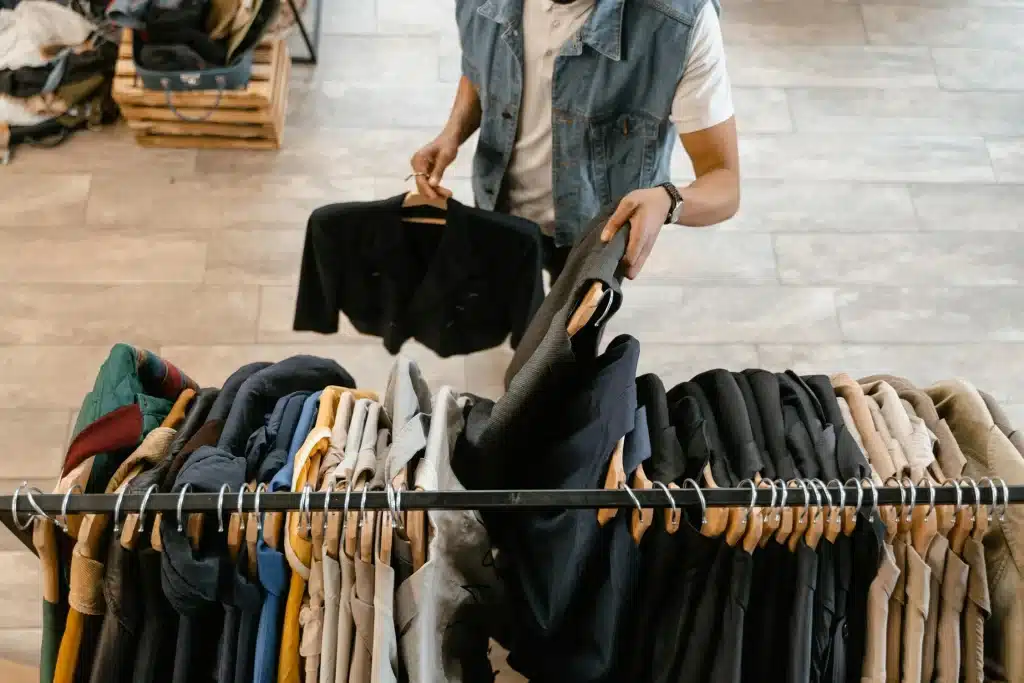
While the shift towards sustainable men’s fashion marks a significant step forward, it is not without its challenges. These obstacles range from production costs to market saturation with greenwashed products. However, innovative solutions and forward-thinking strategies are paving the way for overcoming these hurdles.
- High Production Costs and Pricing: One of the primary challenges faced by eco-friendly men’s fashion brands is the high cost of sustainable materials and ethical manufacturing processes. These costs often translate into higher retail prices, making sustainable garments less accessible to a broader audience. To address this, some brands are exploring more efficient production techniques and economies of scale. Additionally, consumer education on the true cost of sustainable production can help justify the higher price tags, emphasizing the value of investing in quality and sustainability.
- Scaling Sustainable Practices: As brands grow, maintaining a commitment to sustainability can become increasingly complex. Expanding production often means extending supply chains, which can dilute control over ethical practices and environmental standards. Brands are tackling this issue by fostering close relationships with suppliers and investing in technology that enhances transparency and traceability throughout the supply chain. This ensures that growth does not come at the expense of sustainability values.
- Combating Greenwashing: The fashion industry has seen a rise in greenwashing, where brands make misleading claims about their environmental credentials to capitalize on the growing demand for sustainable products. This practice not only misleads consumers but also undermines the credibility of genuinely sustainable brands. Combatting greenwashing requires stricter regulations and certification processes, alongside consumer education.
Empowering consumers with the knowledge to discern authentic claims from marketing tactics is essential for promoting genuine sustainability in the industry. Despite these challenges, the path towards a more sustainable fashion industry is becoming clearer. By addressing issues related to cost, scalability, and authenticity, eco-friendly men’s fashion brands can continue to make significant strides. These solutions not only enhance the sustainability of the industry but also ensure that ethical and environmental considerations remain at the forefront of fashion innovation.
The Role of Consumers in Promoting Sustainable Fashion

Consumers hold significant power in shaping the fashion industry’s direction towards sustainability. Their choices and demands can influence brands to adopt more environmentally friendly and ethical practices. Understanding this role is crucial for those wishing to support the sustainable fashion movement.
- Informed Choices: The foundation of consumer influence lies in making informed choices. By opting for brands that are transparent about their production processes and committed to sustainability, consumers send a clear message about their priorities. Supporting brands that use sustainable materials, implement ethical labor practices, and take steps to minimize their environmental impact encourages more companies to consider these practices.
- Demand for Transparency: Consumers can also advocate for greater transparency in the fashion industry. Asking questions about where and how clothing is made and demanding clear answers encourages brands to be more open about their supply chains. This transparency helps to ensure accountability and allows consumers to make more responsible choices.
- Sustainable Consumption Habits: Beyond choosing sustainable brands, consumers can promote sustainability through their consumption habits. This includes buying less but choosing better quality items that last longer, repairing and recycling clothing instead of discarding it, and considering second-hand or vintage garments as viable fashion choices. These habits contribute to a reduction in the overall demand for new clothing production, thereby lessening the environmental impact.
- Advocacy and Education: Finally, consumers can play a role in advocating for sustainability by educating others about the importance of eco-friendly fashion. Sharing knowledge and experiences with sustainable brands, discussing the environmental impact of clothing, and encouraging friends and family to make more sustainable choices can amplify the movement towards a more responsible fashion industry.
By embracing these roles, consumers can significantly contribute to the promotion of sustainable fashion, driving the industry towards a future where environmental and ethical considerations are integral to every brand’s ethos.
Conclusion: Sustainable Men’s Fashion
The shift towards sustainable men’s fashion represents a pivotal change in the industry, underscored by the embrace of eco-friendly practices and ethical considerations. The momentum is fueled by consumers who prioritize sustainability, alongside brands committed to innovation and transparency. Challenges remain, but the collective efforts of brands and consumers are paving the way for a more sustainable fashion future. This movement is not just about changing how we dress but also about fostering a deeper respect for our environment and communities. As the industry continues to evolve, the hope is that sustainable fashion will become the standard, ensuring a positive legacy for future generations and a healthier planet.
Discover your sustainable style today by exploring our men’s fashion collection.
Further Reading: Sustainable Men’s Fashion
For those looking to dive deeper into the world of sustainable men’s fashion, here are some insightful reads that will broaden your understanding and introduce you to brands leading the charge in eco-friendly practices:
- 9 Best Sustainable Clothing Brands for Men | The Strategist – This article taps into expert opinions to list the best sustainable menswear brands including Patagonia, Asket, and Allbirds, providing insights into their sustainable efforts. Read more on The Strategist.
- 19 Sustainable Men’s Clothing Brands For An Eco-Friendly Wardrobe – Sustainably Chic offers a comprehensive guide to sustainable men’s clothing brands, covering everything from casual basics to outdoor gear. Read more on Sustainably Chic.
- 13 Sustainable Men’s Clothing Brands For Ethical Style & Eco-Comfort – Sustainable Jungle rounds up ethical and sustainable men’s clothing brands that don’t compromise on style or comfort, including Outerknown and Taylor Stitch. Read more on Sustainable Jungle.

