


Style
Decoding Men’s Fashion: A Century of Style Evolution

Table of Contents
Over the past century, men’s fashion has seen a significant transformation, reflecting various social, economic, and political shifts. The early 20th century brought about a style defined by formality and elegance, a contrast to the casual and diverse fashion landscape we see today. Each decade has contributed uniquely to the tapestry of men’s fashion, from the sharp suits of the 1920s to the relaxed streetwear popular in recent years.
This evolution in men’s fashion not only mirrors changes in societal norms and technological advancements but also illustrates shifts in masculinity and personal identity. The role of fashion has expanded beyond mere functionality to become a medium of personal expression and cultural commentary. As we explore the changes in men’s fashion over the last hundred years, we’ll see how the context of the times influenced design and style choices, and how these choices have contributed to the broader narrative of men’s wear.
This article sets out to provide a snapshot of this fascinating journey through the lens of men’s fashion, marking key moments and trends that have shaped the way men dress in the modern era.
The Roaring Twenties (1920s)
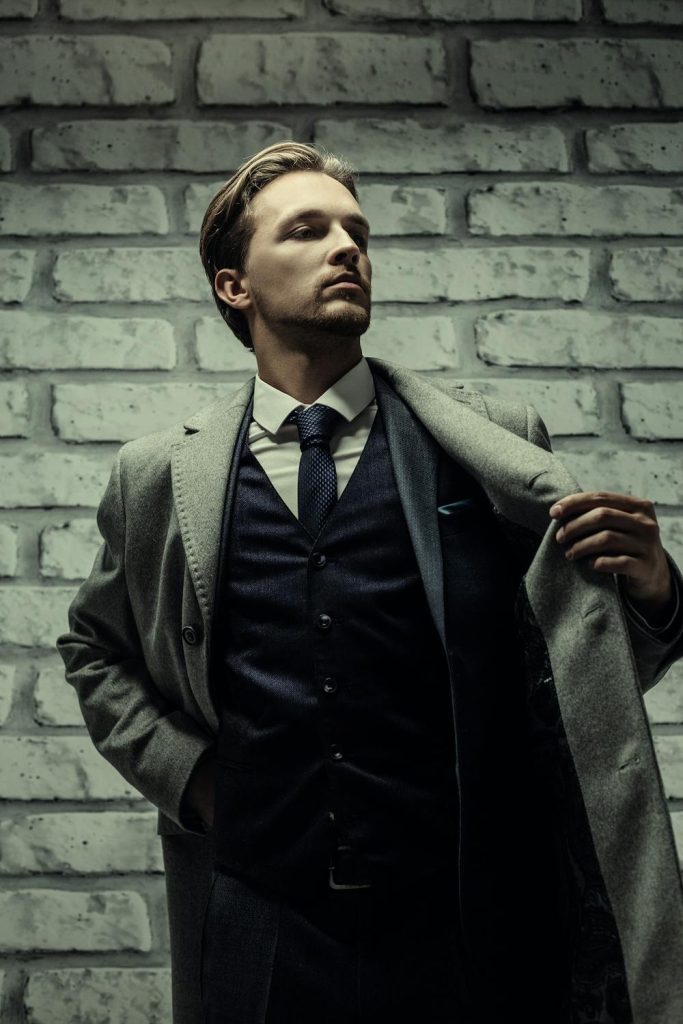
The 1920s, often referred to as the Roaring Twenties, was a decade of unparalleled economic prosperity and cultural blossoming in the Western world, particularly in the United States. Men’s fashion during this time reflected the era’s exuberance, with a distinct shift towards more elaborate and expressive styles. The end of World War I brought a desire to break away from the past’s restrictions, leading to a fashion revolution that emphasized youthfulness and freedom.
Men’s attire in the 1920s saw the introduction of suits that were less rigid and more comfortable than their predecessors. The typical 1920s suit featured narrower shoulders, a pinched waist, and slightly shorter trousers with cuffs, moving away from the Victorian and Edwardian silhouettes. Jazz music and its associated culture played a significant role in shaping the fashion of the decade, introducing more vibrant colors and patterns into men’s wardrobes. This was the era of the “dapper” look, with men sporting fedoras, bow ties, and pocket squares, embodying the spirit of newfound optimism.
The decade also saw the rise of notable fashion icons who influenced men’s style. Figures like Rudolph Valentino and the Duke of Windsor became style symbols, their choices in attire signaling a move towards sophistication and elegance. The 1920s marked the beginning of men’s fashion as a form of self-expression, a theme that would continue to evolve in the decades to follow.
Through the lens of men’s fashion, the Roaring Twenties embodied a period of dramatic social change, reflecting the era’s vibrant culture and the shifting attitudes towards individuality and modernity.
The Great Depression and War Years (1930s-1940s)
The 1930s and 1940s were marked by stark contrasts in the global landscape, from the depths of the Great Depression to the tumultuous years of World War II. These events profoundly influenced men’s fashion, introducing an era where practicality and austerity led design choices. The exuberance of the 1920s gave way to more subdued and functional attire as economic hardship required durability and versatility in clothing.
During the Great Depression, the luxury and flamboyance of the previous decade were no longer viable for the majority. Men’s fashion mirrored this shift; suits became simpler and less decorative, with a focus on conserving fabric and resources. Double-breasted jackets, which used more material, became less common, and single-breasted suits with narrower lapels became the norm. The widespread economic struggle necessitated a wardrobe that was practical and could withstand daily wear without frequent replacement.
The onset of World War II further influenced men’s fashion, with many materials like wool and silk being rationed for military use. This led to the introduction of utility clothing designed to comply with fabric shortages and the needs of wartime. Military uniforms and garments, such as trench coats and bomber jackets, transitioned into civilian wardrobes, emphasizing functionality and durability. The zoot suit, with its excess of material, emerged as a form of rebellion against wartime restrictions, highlighting the intersection of fashion with social and political dynamics.
These decades illustrated how men’s fashion can be a reflection of societal conditions, adapting to the demands of the times while still offering avenues for individual expression and resistance.
The Post-War Boom and the 1950s
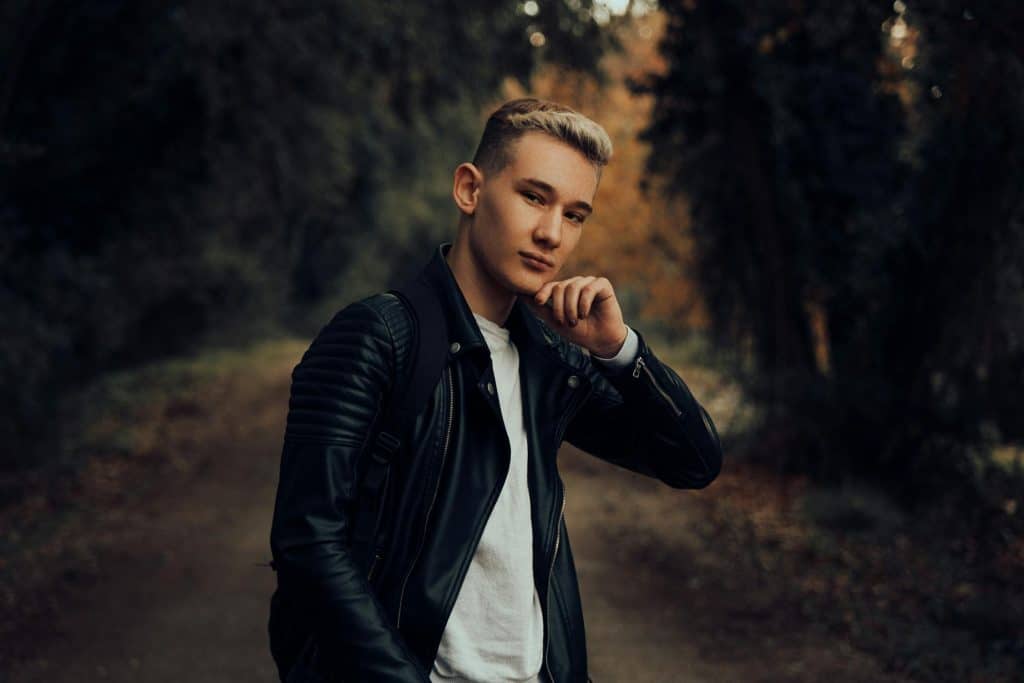
The 1950s marked a significant shift in men’s fashion, reflecting the era’s broader cultural and economic changes. After the austerity of wartime, the post-war economic boom in the United States and parts of Europe led to a period of prosperity and consumerism. This was the decade when the modern concept of teenagers as a distinct group first emerged, along with new styles that broke away from the conservative dress codes of the past.
The dominant style for men was the grey flannel suit, symbolic of the era’s corporate conformity. This suit was characterized by a single-breasted jacket, narrow lapels, and a moderately slim silhouette, reflecting the decade’s conservative mood. However, this conservatism in day-to-day wear was contrasted sharply by the rise of youth subcultures that expressed rebellion through their fashion choices.
James Dean and Marlon Brando became style icons for the rebellious youth, popularizing the leather jacket, T-shirt, and jeans look—a stark departure from the formal attire of the previous generation. This style embodied the spirit of rebellion and nonconformity, inspired by rock ‘n’ roll music and motorcycle culture. The 1950s also saw the emergence of the Ivy League style, a more casual approach to dressing that included khakis, button-down shirts, and loafers, which became popular among college students.
Television also played a pivotal role in disseminating fashion trends, with actors and musicians influencing the style choices of the young generation. The 1950s set the stage for the fashion revolutions that would follow, highlighting the growing influence of youth culture and media on men’s fashion.
The Swinging Sixties and Seventies
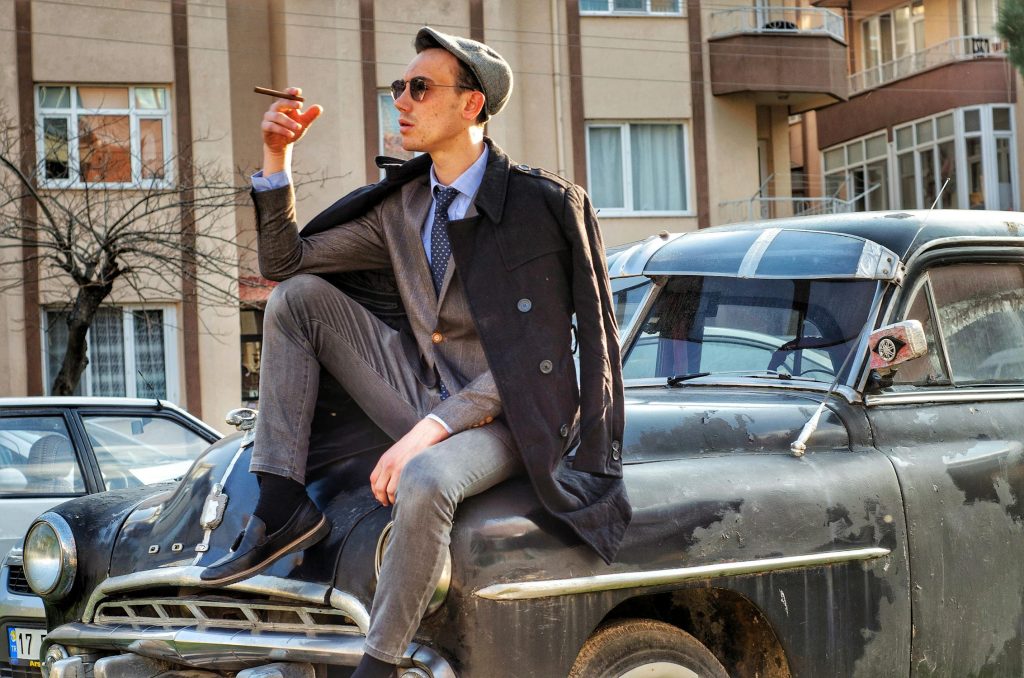
The sixties and seventies were transformative decades for men’s fashion, characterized by a departure from conservative attire to more experimental and expressive styles. This era was deeply influenced by social movements, musical revolutions, and a growing youth culture that challenged traditional norms.
In the 1960s, the Mod movement in Britain introduced a sleek, tailored look that included slim-fitting suits, polo shirts, and loafers. This was a style embraced by bands like The Beatles early in their career, representing a blend of sophistication and youthfulness. Colors became bolder, patterns more varied, and for the first time, men’s fashion took a playful turn with accessories like scarves and sunglasses.
The late sixties gave birth to the Hippie movement, which stood in stark contrast to Mod fashion. Men’s clothing became more relaxed and unconventional, featuring tie-dye shirts, bell-bottom jeans, and leather fringe jackets. This era emphasized comfort and individuality, drawing inspiration from non-Western cultures and the growing anti-establishment sentiment.
As the seventies unfolded, the Disco era took center stage, introducing an array of flamboyant styles. Silk shirts, tight polyester trousers, and platform shoes became the rage, encouraged by the nightclub scene and icons like John Travolta in “Saturday Night Fever.” This period was defined by its embrace of excess and the breaking down of gender norms in fashion.
The swinging sixties and seventies were decades of radical change in men’s fashion, reflecting the broader cultural shifts of the time. These years broke the mold of what men could wear, setting the stage for the diverse and inclusive approaches to fashion we see today.
The Power Dressing of the 1980s
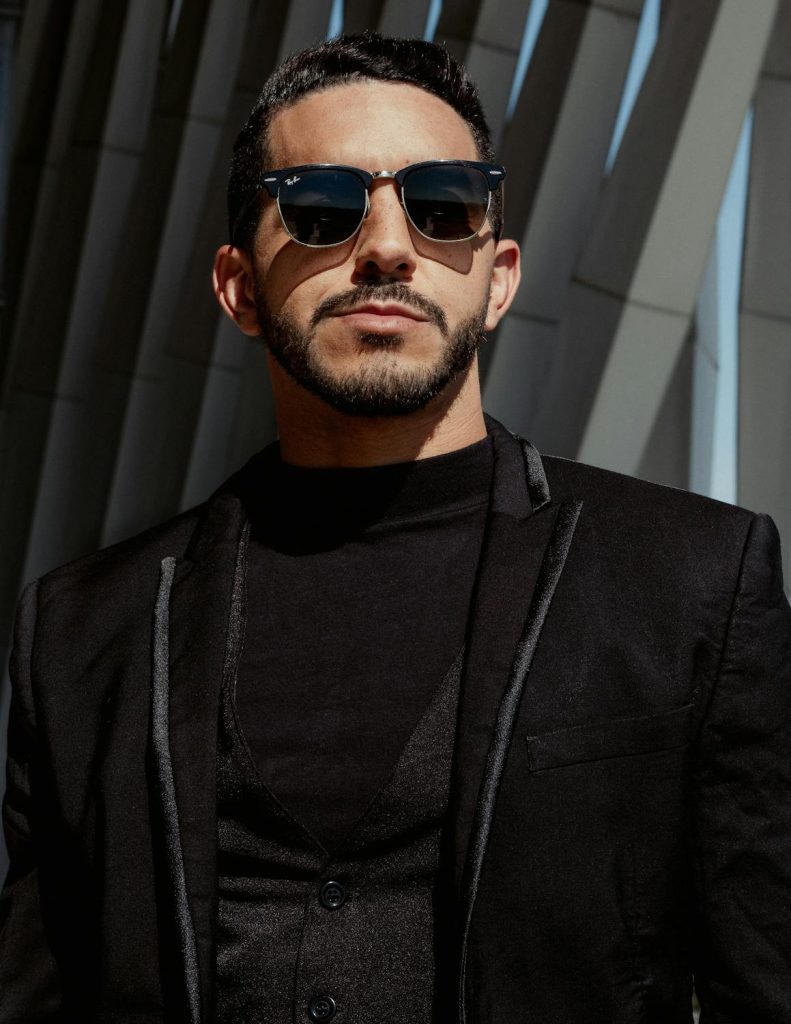
The 1980s marked a significant shift in men’s fashion towards power dressing, a trend influenced by the decade’s economic boom and the rise of corporate culture. This era’s fashion was characterized by its emphasis on wealth, status, and assertiveness, with men’s attire taking on a more structured and ostentatious form.
The quintessential 80s power suit was designed to make a statement. It featured broad shoulders, achieved through the use of shoulder pads, and a tailored waist, creating a silhouette that exuded confidence and authority. These suits were often made from luxurious fabrics and came in bold colors and patterns, reflecting the decade’s flamboyant approach to fashion. Accessories like suspenders, bold ties, and shiny leather shoes completed the power dressing look.
Casual Fridays introduced a new concept to the workplace, signaling a shift towards more relaxed attire. This movement laid the groundwork for business casual, blending the formality of business wear with the comfort of casual clothing. It represented a significant departure from the strict dress codes of the past, allowing for more personal expression through fashion.
Music and television also played a pivotal role in shaping the 1980s fashion landscape. The advent of MTV brought music stars and their distinct styles into living rooms worldwide, influencing men’s fashion choices. From the punk rock aesthetic to the glam metal look, the diversity of music genres was reflected in the diversity of men’s attire, making the 1980s a decade of bold fashion statements and stylistic experimentation.
The Minimalism and Grunge of the 1990s
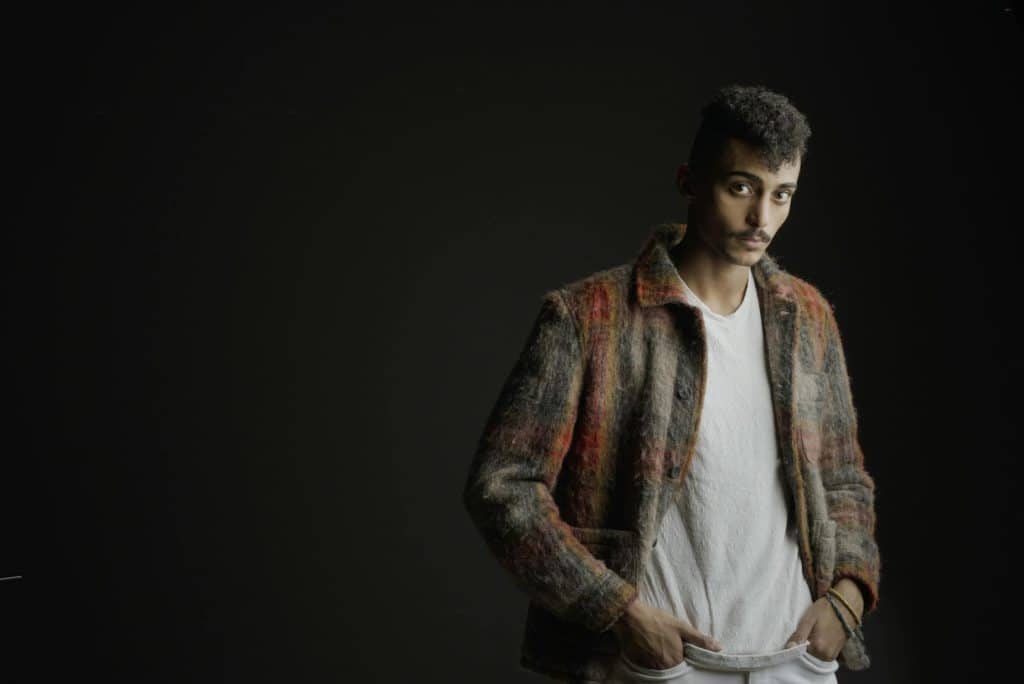
The 1990s presented a stark contrast to the exuberant styles of the 1980s, with men’s fashion embracing minimalism and the grunge movement. This decade was characterized by a shift towards simpler lines, neutral colors, and a more understated approach to dressing, reflecting the broader cultural tendencies towards realism and authenticity.
Minimalism in men’s fashion was marked by clean, straightforward designs that eschewed the flamboyance of previous years. Clothing featured monochromatic color schemes, basic patterns, and a focus on functionality. Brands like Calvin Klein led this trend, offering pieces that prioritized fit and fabric quality over decorative elements. This minimalist approach was not only a fashion statement but also a reaction against the previous decade’s excesses, symbolizing a return to basics and a focus on enduring style.
Simultaneously, the grunge movement emerged from the music scene in Seattle, bringing with it a distinctly casual and disheveled look. Grunge fashion for men included flannel shirts, ripped jeans, and combat boots, epitomizing a rebellious attitude that rejected mainstream culture. This style was popularized by bands like Nirvana and Pearl Jam, whose frontmen became unwitting fashion icons of the era.
The 1990s also saw the rise of streetwear, a style influenced by skate and hip-hop culture. This movement brought casual wear to the forefront of men’s fashion, with sneakers, hoodies, and graphic t-shirts becoming staple items. Streetwear represented a democratization of fashion, where style was driven by youth culture rather than designer labels, setting the stage for the fashion landscape of the 21st century.
The Digital Age and 2000s Onwards
As the new millennium unfolded, men’s fashion entered the Digital Age, marked by the rapid advancement of technology and the proliferation of social media. These factors, combined with globalization, significantly impacted how men approached fashion, leading to a more eclectic and personalized style landscape.
The rise of fast fashion during this period made current trends more accessible to the general public, allowing men to experiment with a wider variety of styles at a lower cost. This democratization of fashion meant that trends could rapidly gain popularity and then fade, driven by the instant gratification culture of social media.
High fashion and streetwear began to merge, with luxury brands collaborating with streetwear labels to create collections that appealed to a broader audience. This blend highlighted the increasing importance of cultural capital in fashion, where the value of clothing was often tied to its brand associations and cultural significance rather than just its aesthetic appeal.
Social media platforms emerged as key influencers in men’s fashion, enabling style icons, influencers, and everyday consumers to share their personal styles with a global audience. This shift not only democratized fashion further but also allowed for a more diverse range of styles to be seen and celebrated. Individuality and personal expression became central to men’s fashion, with traditional norms and gender boundaries increasingly challenged and redefined.
In this era, sustainability also started to become a significant concern, with consumers and brands alike seeking more ethical and environmentally friendly production methods. This shift towards sustainability reflected a growing awareness of fashion’s environmental impact and a desire for more conscious consumption practices.
Sustainability and the Future of Men’s Fashion
As we move further into the 21st century, sustainability has become a central theme in men’s fashion, driven by a growing awareness of environmental issues and ethical concerns related to clothing production. The fashion industry, known for its significant environmental footprint, is undergoing a transformation as both designers and consumers seek more sustainable practices.
Innovations in sustainable materials have led to the development of eco-friendly fabrics, such as organic cotton, bamboo, and recycled polyester, which minimize the environmental impact of garment production. Brands are increasingly adopting these materials, aiming to reduce waste and conserve natural resources. Moreover, the concept of circular fashion is gaining traction, encouraging the recycling and repurposing of clothes to extend their lifecycle and reduce waste.
The rise of the slow fashion movement marks a shift away from the fast fashion model, advocating for quality over quantity. This approach encourages consumers to invest in durable, timeless pieces rather than constantly chasing the latest trends. It represents a more mindful way of consuming fashion, where the emphasis is on the longevity and ethical production of garments.
Looking ahead, technology is set to play a pivotal role in advancing sustainability in fashion. Innovations such as 3D printing and digital fashion, which allows for virtual clothing trials, promise to revolutionize the industry by reducing overproduction and waste.
As men’s fashion continues to evolve, sustainability will likely remain at the forefront, shaping the industry’s future. This shift towards more conscious consumption and production practices reflects a broader societal movement towards sustainability, highlighting fashion’s potential to contribute to a more sustainable world.
Conclusion: Decoding Men’s Fashion Evolution
Tracing a century of men’s fashion reveals the dynamic interplay between societal changes and personal expression. From sharp, tailored suits to the embrace of sustainable and ethical practices, men’s fashion has evolved significantly, reflecting shifts in cultural norms, technological advancements, and environmental awareness. As we look to the future, it’s clear that fashion will continue to be a vibrant form of self-expression, influenced by a growing emphasis on sustainability and digital innovation. The journey of men’s fashion is a testament to the adaptability and creativity of the human spirit, showcasing our ability to reinvent ourselves and our styles to resonate with the times.
Discover the latest trends and timeless classics in men’s fashion by visiting our shop today.
Further Reading
For those keen on exploring more about the evolution of men’s fashion and its impact over the years, here are some resources:
- A Brief History of Men’s Fashion at Articles of Style provides a detailed walkthrough of men’s fashion trends and how they’ve been influenced by societal changes over the years. Visit Articles of Style for a comprehensive look at how men began to embrace stylish, diverse suits available in a myriad of colors, emphasizing the shift towards individual expression through fashion.
- Take A Trip Through 300 Years of Men’s Fashion on Smithsonian Magazine offers a fascinating journey through men’s fashion history, showcasing historical clothing styles that draw from Eastern influences and the works of contemporary Japanese designers. Dive into the exhibition highlights and more at Smithsonian Magazine.
- A History of Men’s Fashion and Style on He Spoke Style provides an engaging timeline and insights into the evolution of men’s fashion, from evening wear standards to the adoption of the white tie dress code. Explore the rich history of men’s style at He Spoke Style.


Pingback: Best Budget-Friendly Sunglasses for Style and UV Protection