


Style
Wearable Tech: The Future of Men’s Accessories

Table of Contents
Wearable technology, often simplified to “wearable tech,” encapsulates a broad array of electronic devices designed to be worn on the body. These gadgets, which range from smartwatches to fitness trackers, are engineered not only for their practical functions but also for their role in personal aesthetics and fashion. Unlike the bulky and purely functional gadgets of the past, today’s wearable tech merges seamlessly with men’s accessories, offering both style and utility.
The origins of wearable technology can be traced back to the development of portable timepieces in the 16th century. However, it wasn’t until the late 20th and early 21st centuries that we witnessed the true convergence of technology and fashion. This period marked a significant transition, as devices evolved from mere novelty items to integral components of our daily lives, reflecting personal taste and style as much as functionality.
For men, the integration of technology into accessories represents a significant shift in how masculinity is expressed through fashion. Gone are the days when options were limited to traditional watches and cufflinks. Today, men can choose from a variety of gadgets that not only complement their personal style but also enhance their daily lives through health monitoring, connectivity, and augmented reality experiences.
As we stand on the brink of new technological advancements, the future of men’s accessories is poised for even more innovative integration of wearable tech. This evolution promises to further blur the lines between technology and fashion, opening up new avenues for personal expression and functionality in men’s fashion. The significance of this trend lies not just in the sophistication of the technology itself, but in the way it reshapes our approach to personal accessories, making them an indispensable part of our digital and physical identities.
Evolution of Men’s Wearable Technology
The journey of wearable technology in men’s fashion is a fascinating narrative of innovation and transformation. Initially, wearable tech was predominantly focused on functionality, with little consideration for aesthetics or the integration into everyday fashion. Early examples, such as calculator watches in the 1970s, offered practicality but lacked the design sophistication to be considered a fashion statement. These gadgets, while innovative, were often bulky and not seamlessly incorporated into the wearer’s lifestyle or wardrobe.
As technology advanced, so did the scope and appeal of wearable gadgets. The 1980s and 1990s saw a gradual shift, with devices becoming smaller, more powerful, and more visually appealing. It was during this time that we began to witness the first true marriage of technology and fashion, though it was still in its nascent stages. Fitness trackers and early smartwatches started to emerge, targeting health-conscious individuals and tech enthusiasts alike. These devices were more than mere gadgets; they were a statement of one’s commitment to both health and technology.
The real transformation occurred in the 21st century, as major tech companies entered the wearable tech space, introducing devices that combined functionality with style. The introduction of smartwatches that resembled traditional timepieces, but with the added functionality of a smartphone, marked a turning point. These modern wearables were no longer just functional; they were designed to be an integral part of the user’s personal style and daily life.
This evolution from niche gadgets to fashionable accessories reflects a broader trend in technology’s role in society. Wearable tech has transitioned from being a futuristic concept to a present-day reality, seamlessly blending the lines between tech and fashion. Today, men’s wearable technology is not just about the gadgets themselves but how they enhance personal style, health, and connectivity, symbolizing the wearer’s identity and values.
Current Trends in Men’s Wearable Tech

The landscape of men’s wearable technology is dynamic, marked by continuous innovation and a growing emphasis on blending style with functionality. This fusion has given rise to several key trends that redefine how men interact with technology through their accessories.
- Smartwatches and Fitness Trackers: These devices remain at the forefront of wearable tech, evolving far beyond their initial fitness tracking capabilities. Today’s smartwatches are akin to wrist-worn computers, offering a wide array of functions from receiving calls and messages to managing calendars, with designs that rival high-end traditional watches. Fitness trackers have also advanced, providing detailed health metrics and personalized fitness coaching, all within sleek, stylish bands that can be worn on any occasion.
- Smart Eyewear and Augmented Reality Glasses: Once a niche market, smart eyewear has made significant strides in becoming more mainstream. Modern designs integrate augmented reality (AR), allowing users to access information, navigate, or even translate languages in real-time, without compromising on style. These glasses embody the next step in wearable tech, offering a seamless blend of digital enhancement with everyday functionality.
- Smart Clothing: The concept of intelligent fabric has transitioned from prototype to market, with jackets, shoes, and ties equipped with built-in technology. These items can monitor health metrics, control smartphones, or even change color and pattern based on the wearer’s preference or environment. This trend is redefining the boundaries of wearable technology, embedding it directly into the fabric of daily life.
- Health-Monitoring Accessories: Beyond fitness tracking, wearable tech now includes devices specifically designed to monitor health conditions, such as heart rate monitors, sleep trackers, and posture correctors. These accessories provide vital health insights, enabling a proactive approach to wellness and integrating health monitoring into the user’s lifestyle with minimal intrusion.
- Luxury and Designer Wearable Tech Brands: Recognizing the growing market for stylish tech accessories, luxury and designer brands have entered the wearable tech space. These brands offer devices that provide the latest technology while maintaining the aesthetic and craftsmanship expected from high-end fashion. This trend signifies the merging of the tech and fashion industries, where the value of a wearable device is as much in its technology as in its design and brand prestige.
These trends illustrate the ongoing evolution of men’s wearable technology, where the future lies in creating devices that are not only functional but also an extension of personal style and lifestyle.
Integration of Wearable Tech with Personal Devices
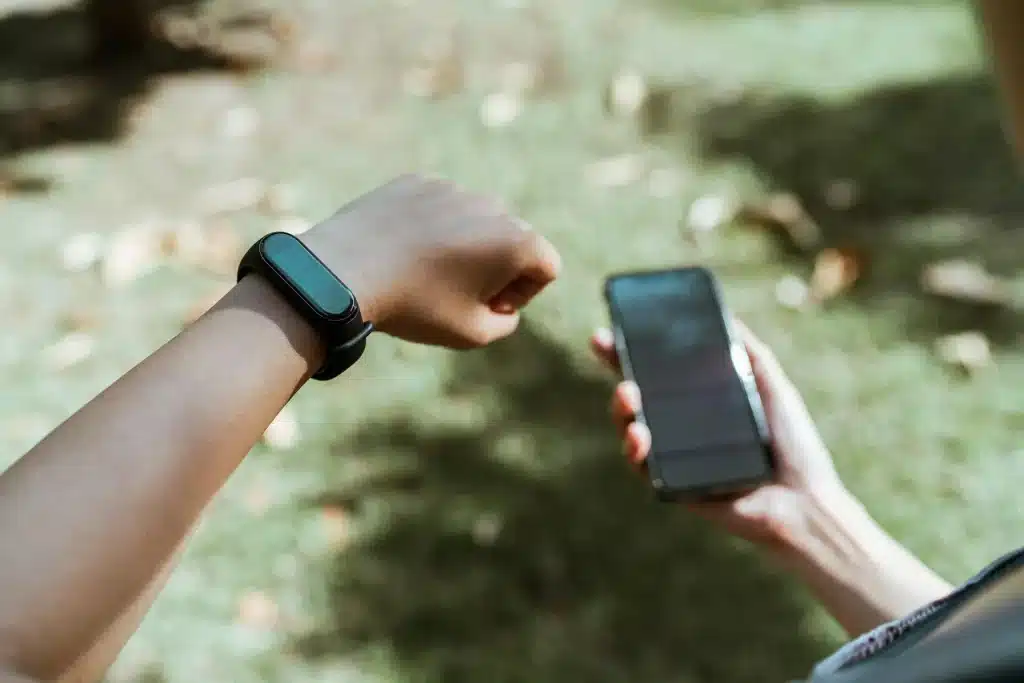
The seamless integration of wearable technology with personal devices represents a pivotal development in the evolution of men’s accessories. This connectivity extends the functionality of wearables beyond mere timekeeping or fitness tracking, turning them into indispensable tools for daily life. Smartwatches, for instance, synchronize with smartphones to display notifications, control music playback, and even handle calls and messages, thereby enhancing user convenience and efficiency.
The role of apps in this ecosystem cannot be overstated. Dedicated applications for wearable devices unlock a wealth of customized features and functionalities. From personalizing watch faces to tracking detailed workout analytics, these apps transform wearable devices into highly personalized companions that cater to the unique needs and preferences of each user. The customization capabilities offered by these apps are crucial for users who demand more than just standard features from their gadgets.
However, this interconnectedness brings forth considerations of security and privacy. As wearable devices collect and share a vast amount of personal data, protecting this information becomes paramount. Manufacturers and app developers are continually working on improving encryption and security measures to safeguard user data from unauthorized access. Users are also becoming more conscious of the privacy settings and data sharing preferences on their devices, ensuring that their personal information remains protected.
The integration of wearable technology with personal devices has revolutionized the concept of men’s accessories. By offering enhanced convenience, personalized experiences, and secure connectivity, wearable tech has firmly established itself as a cornerstone of modern lifestyle and personal expression.
The Impact of Wearable Tech on Men’s Health and Fitness
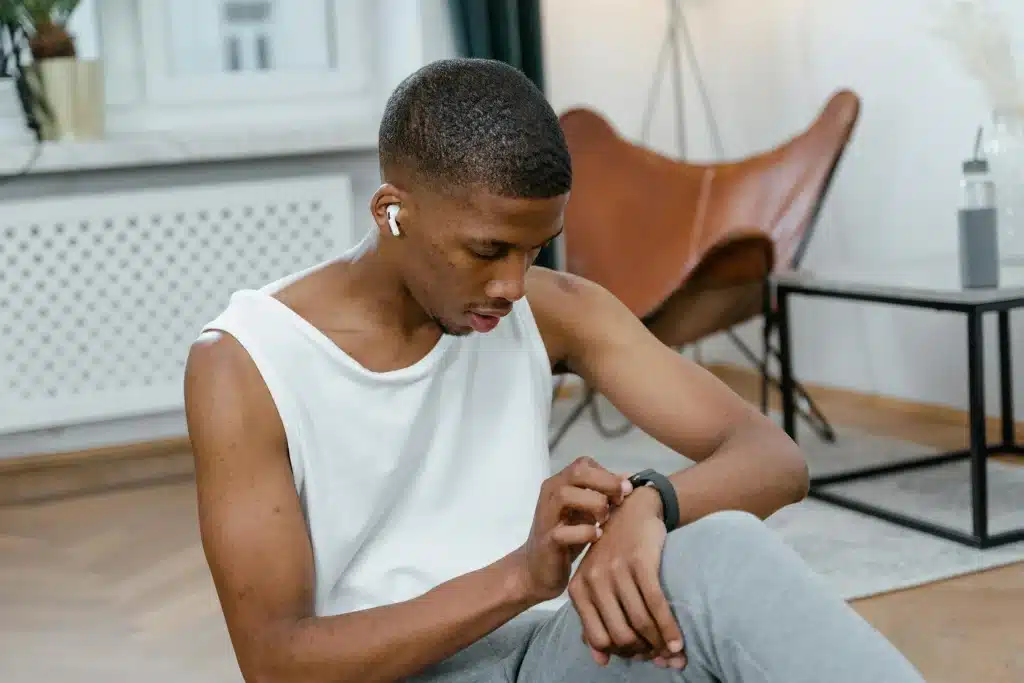
The influence of wearable technology on men’s health and fitness has been profound and multifaceted. These devices have transcended their initial novelty to become vital tools for health management and fitness tracking. Through the continuous monitoring of vital signs and physical activity, wearables provide immediate feedback and long-term analytics, empowering users to make informed decisions about their health and lifestyle.
Wearable tech has redefined the approach to personal fitness. Fitness trackers and smartwatches with built-in sensors measure steps taken, calories burned, heart rate, and even sleep quality, offering a comprehensive overview of the wearer’s physical activity levels. This constant monitoring serves as a motivational tool, encouraging users to lead more active lifestyles and achieve their fitness goals. The data collected by these devices also enables personalized workout and health plans, tailored to the user’s specific needs and capabilities.
Beyond fitness tracking, wearable technology plays a crucial role in health monitoring and management. Advanced devices now feature capabilities such as electrocardiogram (ECG) monitoring, blood oxygen saturation (SpO2) measurement, and stress tracking. These features not only offer insights into the wearer’s physical well-being but also provide early warnings for potential health issues, facilitating timely medical intervention.
The potential of wearable tech in transforming men’s health and fitness is exemplified by numerous case studies. Individuals have reported significant improvements in their physical activity levels, weight management, and overall health awareness since incorporating wearable technology into their routines. Moreover, wearable devices have been instrumental in monitoring chronic conditions, allowing for better disease management and improved quality of life.
Wearable technology has emerged as a cornerstone in the pursuit of health and fitness, providing men with the tools and insights needed to lead healthier lives. Its impact extends beyond individual users, potentially influencing broader public health outcomes through enhanced health awareness and preventive care.
Sustainability and Ethical Considerations

As wearable technology becomes increasingly ingrained in the fabric of daily life, its sustainability and ethical implications come to the forefront of consumer consciousness. The production of wearable tech accessories raises significant environmental concerns, from the extraction of raw materials to the energy-intensive manufacturing processes and eventual electronic waste (e-waste) generation. The lifecycle of these gadgets, often characterized by rapid obsolescence and short replacement cycles, exacerbates these issues, contributing to the growing volumes of e-waste.
Ethical sourcing of materials is another critical consideration. The demand for metals and minerals used in wearable tech, such as lithium for batteries and rare earth elements for electronics, has implications for environmental degradation and labor rights. Ensuring that these materials are sourced responsibly and sustainably is paramount to mitigating the adverse impacts of wearable tech production.
In response to these challenges, there is a growing movement towards more sustainable and ethical practices in the wearable tech industry. Manufacturers are exploring eco-friendly materials, such as bioplastics and recycled metals, and adopting more energy-efficient production techniques. Initiatives for recycling and repurposing old wearable devices are also gaining traction, offering pathways to reduce e-waste and promote a circular economy.
Moreover, transparency in supply chains and fair labor practices are becoming increasingly important to consumers. Brands that prioritize ethical sourcing and demonstrate a commitment to environmental stewardship are distinguishing themselves in a crowded market.
Addressing the sustainability and ethical considerations of wearable technology is not only a moral imperative but also a strategic business decision. As consumers become more environmentally and socially conscious, the demand for responsibly produced wearables is set to rise, shaping the future of the industry.
Future Predictions and Emerging Technologies

The future of men’s wearable technology is poised on the brink of revolutionary change, driven by rapid advancements in materials science, biotechnology, and artificial intelligence (AI). Innovations on the horizon promise to further blur the lines between technology, fashion, and personal health, offering unprecedented capabilities and functionalities.
Smart tattoos represent one such innovation, offering temporary or semi-permanent designs capable of monitoring health metrics or changing color in response to UV exposure. These bio-integrated sensors merge aesthetics with functionality, providing a discreet yet effective way to track wellness.
Further into the future, we may see the emergence of clothing with built-in AI that adjusts to the wearer’s thermal comfort or even changes color and pattern based on mood or setting. These smart garments could revolutionize personal expression and comfort, offering dynamic adjustments to external conditions or physical activity levels.
AI and machine learning are set to play a pivotal role in the evolution of wearable tech, enabling devices to predict health issues before they become evident or offering personalized fitness coaching based on real-time data analysis. This predictive capability could transform preventive health care, making wearable tech an integral part of medical diagnostics and patient management.
As these emerging technologies mature, they will undoubtedly integrate more seamlessly into daily life, offering enhanced convenience, personalized health insights, and new forms of expression. The future of men’s wearable technology is not just about the gadgets themselves but how they interact with the human body and the environment, promising a more connected, healthier, and expressive world.
Conclusion: Men’s wearable technology
The journey through the landscape of men’s wearable technology reveals a sector that is not only rapidly evolving but also significantly influencing lifestyle, health, and personal expression. As we have traversed from the rudimentary gadgetry of early wearable tech to the sophisticated, seamlessly integrated devices of today, it’s clear that this evolution is far from over. Wearable technology has become a pivotal aspect of modern life, blending the boundaries between the digital and physical worlds in ways that were once the realm of science fiction.
The current state of men’s wearable technology is characterized by a rich diversity of devices that cater to an array of preferences and needs, from health monitoring to fashion. These gadgets have transcended their initial utility to become indispensable companions, offering insights into our health, enhancing our connectivity, and even reflecting our personal style. The rise of these devices reflects a broader shift towards a more data-informed and connected lifestyle, where convenience, health, and fashion converge.
Looking ahead, the future of wearable tech holds promise for even deeper integration into our daily lives, with innovations that could redefine personal health, fitness, and expression. The advent of AI and machine learning, along with advancements in materials and biotechnology, suggests a future where wearable devices not only monitor our health in real-time but also predict and prevent health issues before they arise. This potential for wearable tech to contribute to preventive healthcare and personalized medicine is enormous, offering a glimpse into a future where technology and human well-being are inextricably linked.
Explore the latest in men’s fashion and accessories that define your style at Mr Wayne.
Further reading
For further exploration into the fascinating world of wearable technology in men’s fashion, here are some curated resources that offer deep dives into current trends, technological advancements, and future predictions:
- Wikipedia on Fashion: While not focused exclusively on wearable tech, Wikipedia’s fashion page provides a broad overview of fashion’s evolution, including the integration of wearable technology. It’s a good starting point for understanding the broader context. Visit Wikipedia
- Pew Research Center: Offers insightful research on the adoption rates of smartwatches and fitness trackers, highlighting demographic trends and usage patterns. This data is crucial for understanding market penetration and consumer preferences. Read at Pew Research
- Oura Ring: This site showcases the Oura Ring, an example of wearable technology focused on health monitoring. It’s an excellent case study of how advanced technology is being integrated into everyday accessories. Explore Oura Ring
- Wear OS by Google: Google’s platform for smartwatches and wearable devices, Wear OS, illustrates the intersection of technology and fashion. The site offers insights into how operating systems and apps enhance the utility and style of wearable tech. Discover Wear OS
Fitbit Official Site: Fitbit is a pioneer in health and wellness wearable technology. Their site provides a comprehensive look at their product range and the features that cater to fitness tracking, health monitoring, and integration with smartphones. Visit Fitbit

