


Mr.Wayne
A Guide to Polarized Sunglasses

Table of Contents
Polarized sunglasses have become a staple for many men, offering not just style but essential eye protection against intense sunlight. Particularly for those who enjoy outdoor activities like driving, fishing, or hiking, these sunglasses enhance vision by reducing glare and improving clarity. Unlike regular tinted sunglasses, polarized lenses employ a special coating that blocks intense reflected light, making them a superior choice for anyone exposed to harsh sunlight regularly.
Understanding how polarized lenses work and the benefits they provide is key to making an informed purchase. Whether you’re navigating through sunny city streets, spending time on the water, or simply taking a leisurely walk, knowing the advantages and limitations of polarized sunglasses will help you make the best choice for your lifestyle.
Key Takeaways
- Polarized sunglasses reduce glare by filtering horizontally-reflected light, enhancing visual clarity and comfort for outdoor activities.
- Improved performance in outdoor activities like driving, fishing, and sports due to reduced glare and sharper vision.
- Lens color matters: Different tints like gray, brown, and green offer specific benefits depending on your activity, from driving to low-light conditions.
- Not all polarized sunglasses provide UV protection, so ensure your lenses offer UV400 protection for optimal eye safety.
- Polarized lenses may not be ideal for viewing digital screens, skiing, or low-light activities, where non-polarized lenses might be better.
What Are Polarized Sunglasses?
Polarized sunglasses are equipped with a special filter designed to block horizontally-reflected light, commonly known as glare. This glare often bounces off flat surfaces like water, roads, or car hoods, leading to uncomfortable visual distractions. Unlike regular sunglasses, which only reduce the amount of light entering your eyes, polarized sunglasses selectively filter specific light waves to improve visibility.
How Do Polarized Lenses Work?
Polarized lenses contain a chemical filter that absorbs horizontally-reflected light. When light strikes a surface like water or glass, it typically reflects horizontally, creating glare. The polarized filter, arranged in a vertical pattern, allows vertical light waves to pass through while blocking horizontal waves. This selective filtration reduces glare significantly, providing clearer, more comfortable vision, which is particularly useful for outdoor activities and driving.
The Benefits of Polarized Sunglasses for Men

Polarized sunglasses offer numerous benefits, making them an excellent choice for men who lead active, outdoor lifestyles.
Improved Visual Clarity and Comfort
Polarized sunglasses are designed to enhance visual clarity by reducing glare. Whether you’re driving, boating, or engaging in sports, these lenses help improve contrast, provide sharper vision, and reduce squinting. This not only enhances your overall comfort but also makes outdoor activities more enjoyable.
Reducing Eye Strain and Fatigue
Prolonged exposure to glare can cause eye strain and fatigue. Polarized lenses reduce this strain, making it easier on the eyes during long periods of exposure to sunlight. For drivers and outdoor enthusiasts, this can mean less discomfort, better focus, and a more enjoyable experience.
Enhanced Performance in Outdoor Activities
For those who spend time in activities like fishing, golfing, hiking, or cycling, polarized sunglasses are a game-changer. Fishermen benefit from reduced water glare, allowing them to see below the surface more clearly. Cyclists and drivers experience better visibility and safety by eliminating glare from roads and reflective surfaces. In golf, enhanced contrast helps players better read the green. This enhancement of visibility in various sports and outdoor activities makes polarized lenses an essential accessory for active men.
Choosing the Right Polarized Sunglasses for Men
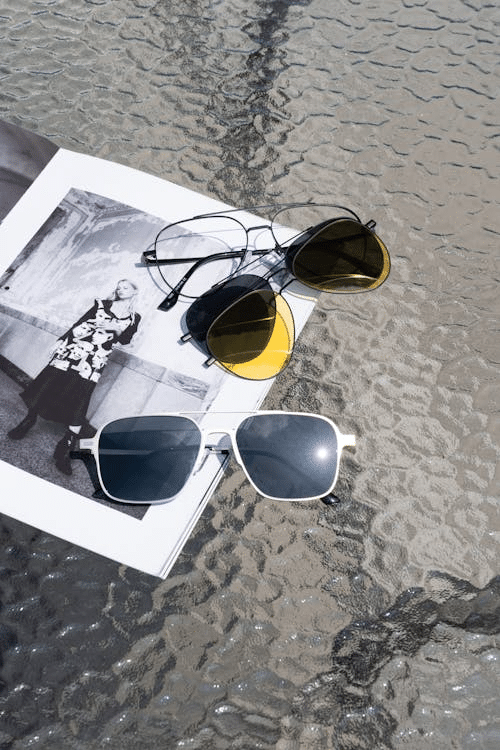
When choosing the best polarized sunglasses, consider these key factors:
Lens Color Matters
Lens color affects the way you perceive color and contrast. Here is a quick breakdown:
| Lens Color | Benefits | Best for |
| Gray | Reduces brightness without color distortion | All-purpose, driving |
| Brown/Amber | Enhances contrast and depth perception | Fishing, golfing |
| Green | Reduces glare while improving contrast | Everyday wear, sports |
| Blue/Yellow | Enhances visibility in low light | Low-light activities |
Choose a lens color based on your primary activity. For instance, brown or amber lenses are great for fishing and hiking, while gray lenses are more suited for general use and driving.
Frame Style and Fit
A stylish frame is important, but comfort and fit are paramount. Make sure the sunglasses sit well on your face without pinching or sliding. For sports and outdoor activities, wraparound frames provide better coverage and protection against side glare. For more casual wear, classic shapes like aviators and wayfarers offer both style and functionality. Ensure the frames are lightweight and fit your head shape well to prevent discomfort over extended periods.
Lens Material and Durability
Consider the lens material based on your needs:
- Glass Lenses: Offer the best clarity but can be heavy and breakable.
- Polycarbonate Lenses: Lightweight, impact-resistant, and durable, making them ideal for sports and active use.
- Acrylic Lenses: Budget-friendly but may compromise on clarity and scratch resistance.
Choose materials that align with your daily activities. For instance, if you’re looking for durability during sports, polycarbonate lenses might be your best option.
Common Myths About Polarized Sunglasses

There are several misconceptions about polarized sunglasses. Let’s debunk some:
Myth 1: Polarized Sunglasses Provide More UV Protection
Polarization and UV protection are not the same. While polarized lenses reduce glare, they do not inherently block UV rays. Look for sunglasses labeled as offering “UV400 protection” to ensure your eyes are shielded from harmful UV rays.
Myth 2: All Polarized Sunglasses Are the Same
Not all polarized sunglasses are created equal. Differences in lens material, quality of polarization, and additional features like anti-scratch coatings mean the performance can vary widely. It’s worth investing in higher-quality lenses that offer better clarity and durability.
Myth 3: Polarized Sunglasses Are Only for Fishermen and Drivers
Polarized sunglasses benefit more than just fishermen and drivers. They’re great for various activities like hiking, skiing, golfing, and even everyday casual wear. Anytime there’s glare to be dealt with, polarized sunglasses provide significant visual comfort and performance benefits.
Situations Where Polarized Sunglasses Might Not Be Ideal

While polarized sunglasses offer great benefits, there are situations where they might not be the best option.
Digital Screen Viewing
Viewing digital screens like smartphones, GPS devices, or LCD screens can be difficult with polarized lenses, as the polarization can distort the screen visibility. If your activities require frequent screen use, it’s worth considering non-polarized lenses.
Skiing and Snowboarding
In snowy conditions, polarized lenses can make it difficult to distinguish ice patches on the slopes. Some skiers and snowboarders prefer lenses without polarization to maintain better terrain visibility and avoid potential hazards.
Low-Light Conditions
Polarized lenses reduce overall brightness, which may not be suitable for low-light conditions or activities at dusk. Opt for non-polarized lenses if you’re planning to be outdoors in such environments.
How to Test If Sunglasses Are Polarized
Testing for polarized lenses is simple. Hold the sunglasses in front of a reflective surface, such as a car window or water, and rotate them at a 90-degree angle. If the lenses are polarized, you will notice a significant reduction in glare and an increase in contrast as you turn them.
Alternatively, view a digital screen with the sunglasses on. Tilt the lenses back and forth; if they’re polarized, the screen will darken or disappear at certain angles.
How to Care for Your Polarized Sunglasses
Proper care is essential to maintain the longevity of polarized sunglasses.
Use Proper Cleaning Techniques
Always use a microfiber cloth and a lens cleaner specifically designed for sunglasses. Avoid using paper towels, clothing, or other rough materials, as they can scratch the lenses. Clean them regularly to remove smudges and dirt that may accumulate.
Proper Storage
Store your sunglasses in a protective case when not in use. Hard cases provide the best protection against scratches and accidental damage, while soft pouches offer a compact option for travel.
Avoid Harsh Chemicals
Household cleaners can damage the polarized coating on lenses. Stick to gentle, purpose-made lens cleaners to preserve both the clarity and protection of your sunglasses.
Top Polarized Sunglasses Brands for Men in 2024

Here are the top polarized sunglasses for men in 2024:
- Kaenon Polarized Sunglasses: Best overall with stylish, durable SR-91 lenses.
- Ombraz Classics Polarized Sunglasses: Ideal for active wear, featuring a secure, cord-based fit.
- Knockaround Premiums Sport Sunglasses: Affordable everyday wear with impact-resistant lenses.
- Persol PO0714 Folding Sunglasses: Packable and stylish, perfect for travel.
- Maui Jim Kōkua Sunglasses: Best for fishing with high-quality polarized lenses that reduce water glare.
- Huckberry Weekenders: Quality lenses on a budget, offering great value.
- American Optical Saratoga: Classic style with great glare reduction, perfect for driving.
- Ray-Ban Stories Wayfarer: Tech-integrated sunglasses with classic style.
- Tomahawk Shades Ranger Class: Scratch-resistant and durable lenses ideal for active lifestyles.
Frequently Asked Questions About Polarized Sunglasses
Are polarized sunglasses better for driving?
Yes, polarized sunglasses are excellent for driving as they reduce glare from reflective surfaces like car hoods, wet roads, and other vehicles, enhancing visibility and comfort.
Can you wear polarized sunglasses indoors?
Generally, polarized sunglasses are not recommended for indoor wear as they reduce light transmission. However, in environments with bright artificial lighting or glare, they can still be beneficial.
Do polarized sunglasses help with night driving?
No, polarized sunglasses are not recommended for night driving. They reduce overall light transmission, which can impair visibility in low-light conditions.
Can you wear polarized sunglasses with prescription lenses?
Yes, many eyewear brands offer polarized lenses that can be customized to fit your prescription. They provide the same glare-reducing benefits while correcting vision.
Do polarized sunglasses cost more?
Typically, polarized sunglasses are more expensive than non-polarized ones due to the technology used to filter glare. However, the benefits—improved visual clarity, reduced eye strain, and enhanced outdoor performance—often justify the price difference.
Conclusion
Polarized sunglasses are a great investment for men seeking improved vision, comfort, and style in outdoor settings. By reducing glare and enhancing contrast, they provide clear and sharp vision, making them ideal for activities like driving, fishing, or simply spending time outdoors. When choosing polarized sunglasses, consider factors like lens color, frame style, and durability to find the perfect pair that fits your lifestyle.
While they offer numerous benefits, it’s also important to note situations where polarized lenses may not be ideal, such as viewing digital screens or in low-light conditions. By understanding how to care for your sunglasses and picking the right model for your needs, you can enjoy long-lasting performance and eye protection.
With the right pair of polarized sunglasses, you can enhance your visual experience and ensure your eyes are well-protected while enjoying the outdoors in style.
Discover timeless style and sophistication with Mr. Wayne’s premium sunglasses – find your perfect pair today.
Further Reading
To dive deeper into the benefits and considerations of polarized sunglasses, here are some informative resources:
- Polarized Lens Benefits – A detailed explanation of how polarized lenses reduce glare and improve visual clarity.
- Polarized vs. Non-Polarized Sunglasses – Learn about the differences between polarized and non-polarized sunglasses and how to choose the right one for you.

