


Style
Beard Care Tips for a Healthy and Stylish Beard | Ultimate Guide

Table of Contents
In the digital age, the resurgence of beard popularity has taken the world by storm. Men from all walks of life are embracing their facial hair and discovering the joys of growing and maintaining a beard. However, with this newfound appreciation for facial hair comes the responsibility of proper beard care. A well-maintained beard not only enhances your appearance but also contributes to your overall confidence and self-expression. In this ultimate guide, we’ll explore the world of beard grooming, sharing tips, tricks, and the best beard grooming products to help you achieve a healthy and stylish beard that reflects your unique personality.
Understanding Your Beard
Before diving into the world of beard grooming, it’s essential to understand your beard’s growth patterns and stages. Factors such as genetics, age, hormones, and diet can all impact the thickness and growth of your facial hair. Some men may experience rapid and even growth, while others may struggle with patchiness or slow growth. Identifying your beard type and texture is crucial in tailoring your grooming routine to achieve the best results.
Beard growth typically occurs in three stages: the anagen phase (active growth), the catagen phase (transitional period), and the telogen phase (resting and shedding). The length of each phase varies from person to person, influencing the overall appearance and thickness of your beard.
Genetics play a significant role in determining your beard’s characteristics, such as color, texture, and growth pattern. While you can’t alter your genetic makeup, understanding your beard’s natural tendencies can help you work with what you have and make the most of your facial hair.
Age and hormones also contribute to beard growth and development. Testosterone, the primary male sex hormone, stimulates facial hair growth. As men age, their testosterone levels may fluctuate, affecting the thickness and density of their beards.
Lastly, diet and lifestyle choices can impact the health and appearance of your beard. Eating a balanced diet rich in vitamins and minerals, staying hydrated, and managing stress levels can all contribute to stronger, healthier facial hair.
By understanding the factors that influence your beard’s growth and appearance, you can make informed decisions about your grooming routine and the products you use.
Essential Beard Grooming Tools
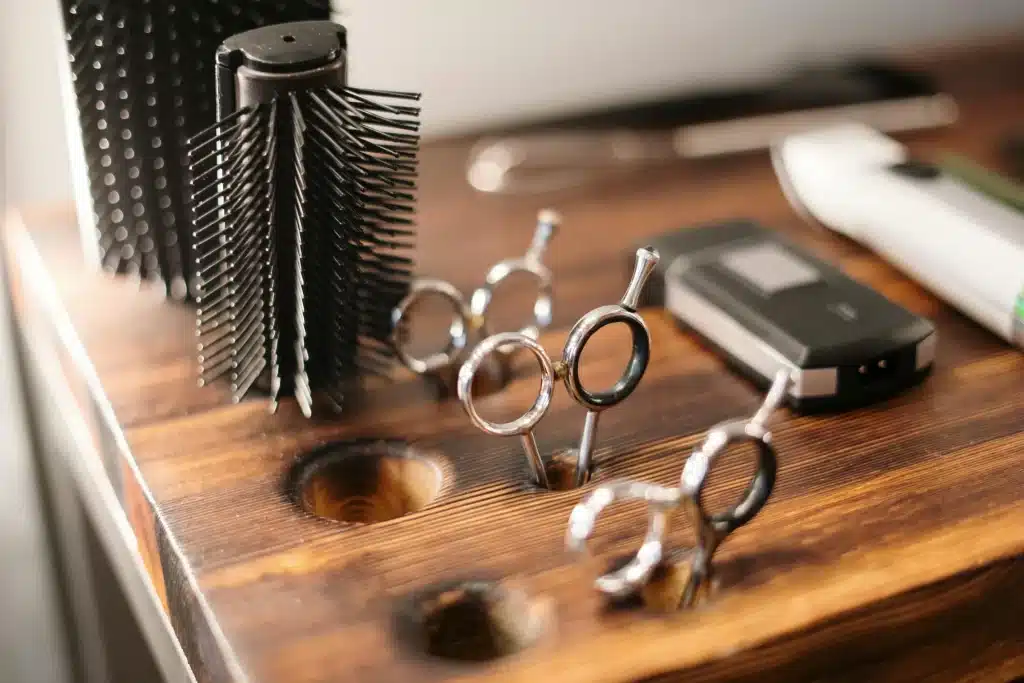
To properly care for your beard, you’ll need the right tools. Investing in quality beard grooming accessories is crucial for maintaining a healthy and stylish beard. Essential tools include:
- Beard trimmers and clippers: These tools allow you to keep your beard at the desired length and shape. Look for trimmers with adjustable settings and attachments for versatility.
- Scissors and combs: Precision scissors and combs are ideal for spot-checking and tidying up stray hairs. They help maintain a neat and polished appearance between trims.
- Brushes and styling tools: Boar bristle brushes and wooden combs are excellent for distributing natural oils throughout your beard, detangling knots, and training your facial hair to grow in the desired direction. Styling tools like beard shapers and templates can help you achieve precise lines and symmetry.
- Investing in quality beard grooming accessories: While it may be tempting to opt for cheaper alternatives, investing in high-quality tools can make a significant difference in the health and appearance of your beard. Look for products made from durable materials and designed specifically for facial hair.
When building your beard grooming kit, consider your specific needs and preferences. Some men may require additional tools, such as nose and ear trimmers, while others may prioritize travel-friendly options.
Remember to clean and maintain your beard grooming tools regularly to ensure optimal performance and longevity. Sanitize your tools after each use and store them properly to prevent damage and bacterial growth.
Building the Ultimate Beard Grooming Kit

Creating the perfect beard grooming kit is key to streamlining your routine and ensuring you have all the necessary tools at your fingertips. Must-have essentials include:
- Beard oil: A lightweight, moisturizing oil that nourishes your facial hair and skin, preventing dryness, itchiness, and flaking.
- Beard balm: A thicker, butter-like product that provides hold and styling control while moisturizing your beard.
- Beard wash: A specially formulated cleanser designed to clean your beard without stripping away natural oils.
- Beard comb and brush: Tools for detangling, styling, and distributing products evenly throughout your beard.
When choosing the best beard grooming products for your needs, consider your beard type, length, and personal preferences. Some men may prefer lightweight, fast-absorbing formulas, while others may benefit from richer, more nourishing products.
Organize your beard grooming kit by separating tools and products into categories, such as cleansing, styling, and maintenance. This will make it easier to find what you need when you need it. Consider investing in a dedicated storage case or bag to keep your kit organized and portable.
For those just starting their beard grooming journey, budget-friendly options are available. Look for multi-purpose products and travel-sized versions to test out different formulas and find what works best for you. As you become more experienced and invested in your beard care routine, you can gradually upgrade to higher-end products and tools.
Beard Washing and Cleansing
Just like the hair on your head, your beard requires regular washing and cleansing to stay clean and healthy. However, using the wrong products or washing too frequently can strip your beard of its natural oils, leading to dryness and irritation.
When choosing a beard shampoo or cleanser, look for products that are specifically formulated for facial hair. These products are typically gentler and more moisturizing than regular hair shampoos, which can be too harsh for your delicate facial skin.
The frequency of washing your beard depends on several factors, such as your environment, lifestyle, and beard length. As a general rule, washing your beard two to three times a week is sufficient. Over-washing can lead to dryness and brittleness, while under-washing can result in a buildup of dirt, oils, and odors.
To properly cleanse your beard, wet it with lukewarm water and apply a small amount of beard wash. Gently massage the product into your facial hair and skin, using circular motions to stimulate blood flow and loosen any debris. Rinse thoroughly with cool water to help seal the hair cuticles and prevent frizz.
Common washing mistakes include using too much product, scrubbing too aggressively, or using water that is too hot. These practices can lead to irritation, damage, and an unruly beard.
After washing, gently pat your beard dry with a clean towel. Avoid rubbing your beard vigorously, as this can cause frizz and breakage. Once your beard is damp, apply a nourishing beard oil or balm to lock in moisture and keep your facial hair soft and manageable.
Beard Conditioning and Moisturizing

Keeping your beard well-conditioned and moisturized is essential for preventing dryness, itchiness, and flaking. Beard oils, balms, and conditioners are your best friends when it comes to nourishing your facial hair.
Beard oils are lightweight, fast-absorbing formulas that penetrate the hair shaft and skin to provide deep hydration. They often contain a blend of carrier oils, such as jojoba, argan, or grapeseed oil, along with essential oils for added benefits and scent.
Beard balms are thicker, butter-like products that provide a combination of moisture and styling hold. They typically contain a mix of nourishing ingredients, such as shea butter, beeswax, and carrier oils, which help tame unruly hairs and keep your beard looking smooth and polished.
When selecting beard conditioning products, look for formulas that contain natural, high-quality ingredients. Avoid products with harsh chemicals, artificial fragrances, or alcohol, which can dry out your beard and irritate your skin.
To apply beard oil or balm, start with a small amount (a few drops of oil or a pea-sized amount of balm) and rub it between your palms. Then, gently massage the product into your beard, starting from the roots and working your way down to the tips. Use a comb or brush to distribute the product evenly and style your beard as desired.
The frequency of application will depend on your beard’s length, thickness, and overall health. Shorter beards may require daily conditioning, while longer beards may benefit from a more intensive weekly treatment.
If you experience persistent dryness, itchiness, or flaking, consider adjusting your grooming routine or consulting with a dermatologist. These issues may be a sign of an underlying skin condition or a reaction to a particular product.
Trimming and Shaping Your Beard

Regular trimming and shaping are crucial for maintaining a well-groomed beard. Establishing a trimming routine based on your beard’s growth rate and desired style will help keep your facial hair looking neat and tidy.
When choosing the right length and shape for your beard, consider your face shape and personal aesthetic. Certain beard styles can help balance out facial features and complement your overall look. For example, a longer beard can help elongate a round face, while a shorter, well-defined beard can add structure to a square jawline.
To achieve even trimming and shaping, start with a clean, dry beard. Use a comb to detangle any knots and ensure that your facial hair is lying flat. Begin by trimming the outer edges of your beard, working your way inward. Use a beard trimmer with adjustable length settings or attachable combs to achieve your desired length.
When maintaining neck and cheek lines, use a precision trimmer or razor to create clean, defined edges. The general rule for determining your neck line is to imagine a curved line extending from the back of your earlobes to a point about an inch above your Adam’s apple. Trim any hair below this line for a polished look.
For cheek lines, aim to create a natural, gradually faded appearance. Start with a higher guard setting on your trimmer and work your way down to a shorter length as you approach your cheekbones. This technique will help blend your beard into your hairline and avoid harsh, unnatural lines.
If you’re dealing with patchy or uneven growth, resist the temptation to over-trim in an attempt to create a fuller appearance. Instead, embrace your beard’s natural growth pattern and focus on maintaining a consistent length throughout. Styling products, such as beard balms and waxes, can help smooth out any irregularities and create the illusion of thickness.
Remember, trimming and shaping your beard is an ongoing process. As your facial hair grows and changes, you may need to adjust your technique and frequency to maintain your desired look.
Advanced Beard Grooming Techniques
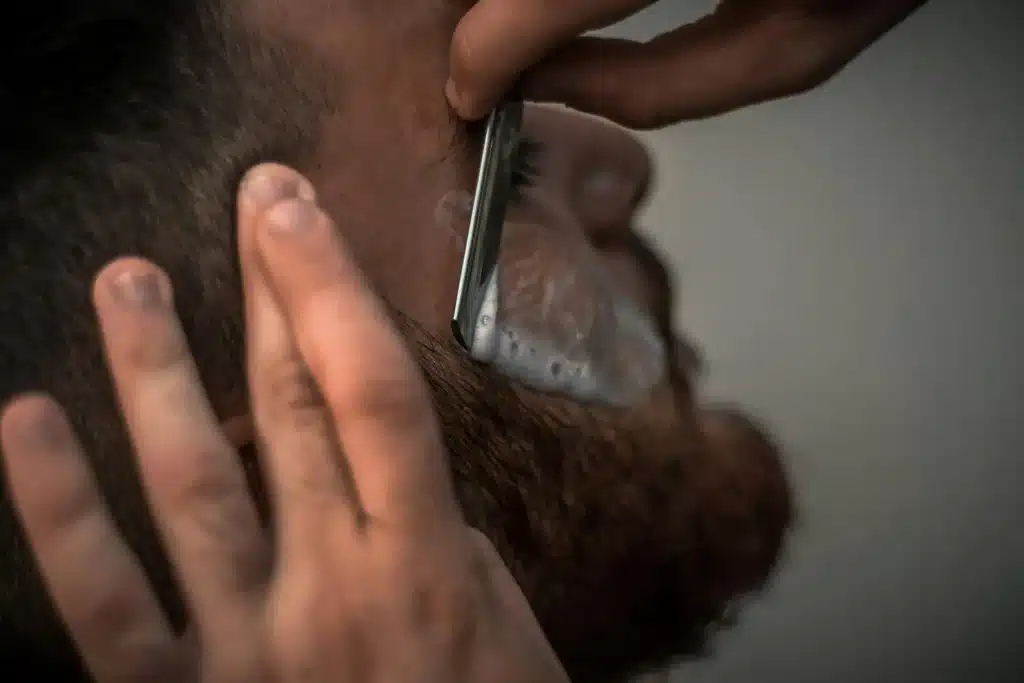
Once you’ve mastered the basics of beard grooming, you can explore more advanced techniques to take your style to the next level.
Creating crisp lines and edges is a hallmark of a well-groomed beard. To achieve this look, use a precision trimmer or razor to define the borders of your beard. Start with the neckline, carefully following the natural contours of your jawline and neck. Then, move on to your cheek lines, using a steady hand to create a clean, symmetrical appearance.
Fading and blending techniques can help create a seamless transition from your beard to your hairline. To achieve a faded look, use a trimmer with adjustable guards to gradually decrease the length of your beard as you move upward towards your cheeks and temples. This technique requires practice and patience, but the result is a polished, professional appearance.
Taming and shaping a long beard can be a challenge, but with the right tools and techniques, you can keep your facial hair looking neat and styled. Regular trimming is essential to maintain a consistent length and prevent split ends. Use a boar bristle brush or wooden comb to detangle your beard and distribute natural oils evenly. Styling products, such as beard balms and waxes, can help control flyaways and provide hold for more elaborate styles.
Incorporating beard grooming accessories, such as beard shaping tools and stencils, can help you achieve precise lines and symmetry. These tools are especially useful for creating more intricate or geometric beard styles.
Remember, advanced beard grooming techniques require practice and patience. Don’t be discouraged if your first attempts aren’t perfect – with time and experience, you’ll be able to master these skills and take your beard game to the next level.
Styling Your Beard

Styling your beard is an opportunity to express your personality and adapt to current trends. Popular beard styles range from classic, full beards to more modern, sculpted looks.
When choosing a beard style, consider your facial features, hair type, and personal aesthetic. Some styles, such as the short stubble or the clean-shaven look, are low-maintenance and well-suited for professional settings. Others, like the full beard or the bandholz, require more time and effort to maintain but can make a bold statement.
To match your beard style to your personal aesthetic, consider your overall fashion sense and lifestyle. A more relaxed, bohemian look may pair well with a longer, natural beard, while a sleek, minimalist style may be better suited to a well-trimmed, defined beard.
Using styling products, such as beard waxes, gels, and pomades, can help you achieve your desired look and keep your beard in place throughout the day. These products come in a range of hold strengths and finishes, from light and natural to strong and sculpted.
To apply styling products, start with a small amount and work it through your beard using your fingers or a comb. Be sure to distribute the product evenly, focusing on any areas that require extra control or definition.
Taming flyaways and stray hairs is a common challenge when styling a beard. Using a light hold product, such as a beard balm or oil, can help keep these hairs in place without weighing down your beard. For more stubborn strays, try using a small amount of hairspray or a clear mascara wand to gently guide them back into place.
Experimenting with color and highlights is another way to add personality and dimension to your beard. Temporary beard dyes and color-depositing conditioners can help you achieve a range of looks, from subtle enhancements to bold statements. When applying color, be sure to follow the instructions carefully and perform a patch test to check for any potential allergic reactions.
Remember, the key to successful beard styling is finding what works best for you. Don’t be afraid to try out different products and techniques until you find a routine that makes you feel confident and comfortable.
Beard Care for Different Life Stages and Situations
Your beard care routine may need to be adapted based on different life stages and situations. During the early growth stages, focus on managing itchiness and keeping your beard clean. Use a gentle beard wash and moisturizer to soothe your skin and prevent irritation. Be patient and resist the temptation to trim or shape your beard too early, as this can lead to an uneven or patchy appearance.
When maintaining a beard in professional settings, opt for a more well-groomed and polished style. Keep your beard trimmed to a consistent length and shape, and use styling products to control flyaways and maintain a neat appearance. If your workplace has specific grooming guidelines, be sure to follow them to avoid any potential conflicts.
If you’re traveling, streamline your beard care routine and pack essential tools and products. Travel-sized versions of your favorite beard oils, balms, and washes can help you maintain your grooming habits on the go. If you’re flying, be sure to follow TSA guidelines for liquids and pack any necessary tools, such as scissors or trimmers, in your checked luggage.
Adjusting your beard care regimen for different seasons and climates can help keep your facial hair healthy and manageable. In colder months, your beard may be prone to dryness and static. Use a rich, nourishing beard oil or balm to provide extra hydration and protection against the elements. In warmer weather, opt for lighter, fast-absorbing formulas to avoid a greasy or weighed-down feeling.
As you age, your beard may become coarser, grayer, or more unruly. Adjusting your grooming routine to accommodate these changes can help you maintain a distinguished, well-kept appearance. Use a softening beard conditioner to help tame wiry hairs, and consider embracing your natural gray or experimenting with color for a fresh look.
Addressing Common Beard Problems

Even with a solid beard care routine, you may encounter common issues like ingrown hairs, razor bumps, beardruff (beard dandruff), split ends, and beard acne. Knowing how to address these problems can help keep your beard looking and feeling its best.
Ingrown hairs occur when hair grows back into the skin instead of out through the surface. This can cause redness, swelling, and discomfort. To prevent ingrown hairs, exfoliate your skin regularly to remove dead skin cells and help the hair grow in the proper direction. If you do experience an ingrown hair, avoid picking or tweezing it, as this can lead to infection. Instead, apply a warm compress to the area and let the hair grow out on its own.
Razor bumps are another common issue, especially for men with curly or coarse facial hair. These small, irritated bumps occur when hair is cut too close to the skin and curls back into the follicle. To prevent razor bumps, use a sharp, clean razor and shave in the direction of hair growth. Applying a soothing aftershave balm can also help reduce irritation.
Beardruff, or beard dandruff, is caused by dry, flaky skin underneath your beard. To combat beardruff, make sure you’re washing your beard regularly with a gentle, moisturizing beard shampoo. Follow up with a beard oil or balm to keep your skin and hair hydrated. If the problem persists, consider using an exfoliating scrub or brush to remove dead skin cells and promote healthy skin turnover.
Split ends and breakage can occur when your beard becomes too dry or damaged. To prevent this, avoid using harsh styling products or tools that generate excessive heat. Use a beard conditioner or oil to keep your hair nourished and pliable, and trim your beard regularly to remove any damaged ends.
Beard acne can be caused by a buildup of oil, dirt, and dead skin cells in your facial hair follicles. To prevent and treat beard acne, keep your beard clean and well-moisturized. Use a gentle, non-comedogenic beard wash and avoid using heavy, greasy products that can clog your pores. If you experience persistent or severe acne, consult with a dermatologist for treatment options.
Dealing with beard patchiness or bald spots can be frustrating, but there are several strategies you can try. First, give your beard time to grow in fully, as some patches may fill in naturally over time. If the problem persists, try using a beard dye or colored beard balm to create the illusion of fullness. You can also experiment with different beard styles that work with your natural growth pattern, such as a goatee or a disconnected beard.
Beard Nutrition and Lifestyle

The health and appearance of your beard are closely tied to your overall nutrition and lifestyle habits. Eating a balanced diet rich in vitamins and minerals can help promote healthy hair growth and prevent common beard problems.
Some key nutrients for beard health include
- Biotin: Found in foods like eggs, nuts, and whole grains, biotin is essential for healthy hair growth and can help strengthen your facial hair.
- Vitamin C: This antioxidant is crucial for collagen production, which helps keep your skin and hair follicles healthy. Citrus fruits, berries, and leafy greens are all excellent sources of vitamin C.
- Vitamin E: Another important antioxidant, vitamin E helps protect your hair and skin from damage caused by free radicals. Foods high in vitamin E include avocados, almonds, and spinach.
- Omega-3 fatty acids: These healthy fats are essential for maintaining the integrity of your hair shafts and preventing dryness and breakage. Fatty fish, flaxseeds, and chia seeds are all good sources of omega-3s.
In addition to a healthy diet, staying hydrated is crucial for maintaining the health of your beard. Drinking plenty of water helps keep your skin and hair follicles moisturized from the inside out, preventing dryness, flaking, and itchiness.
Managing stress levels, getting enough sleep, and engaging in regular exercise can also have a positive impact on your beard growth and overall health. Chronic stress can lead to hair loss and thinning, while poor sleep habits can disrupt your body’s natural hair growth cycles. Regular physical activity helps improve circulation, delivering essential nutrients to your hair follicles.
Certain lifestyle habits, such as smoking and excessive alcohol consumption, can also negatively impact your beard health. These habits can lead to dehydration, nutrient deficiencies, and premature aging, all of which can contribute to a dull, brittle, or patchy beard.
By making smart lifestyle choices and incorporating beard-friendly nutrients into your diet, you can help ensure that your facial hair remains healthy, strong, and vibrant.
The Psychology of Beards

Growing a beard is more than just a physical journey; it also has psychological and social implications. Beards have long been associated with masculinity, maturity, and power, and these perceptions can influence how others view and interact with you.
For many men, growing a beard is a way to express their individuality and assert their confidence. A well-groomed beard can be a source of pride and self-esteem, helping you feel more comfortable and self-assured in both personal and professional settings.
Beards can also serve as a form of self-expression, allowing you to showcase your unique style and personality. Whether you opt for a classic, full beard or a more modern, sculpted look, your facial hair can be an extension of your overall aesthetic and help you stand out from the crowd.
The impact of beards on social perception and attraction has been the subject of numerous studies and debates. Some research suggests that beards can make men appear more mature, masculine, and dominant, while other studies have found that women may perceive bearded men as more attractive and suitable for long-term relationships.
However, it’s important to note that these perceptions can vary widely based on cultural, social, and individual preferences. What one person finds attractive or impressive, another may find off-putting or unprofessional.
Ultimately, the decision to grow a beard – and how to style it – should be a personal choice based on your own preferences, lifestyle, and goals. Embracing your unique beard journey and finding a grooming routine that makes you feel confident and authentic is key to maximizing the psychological benefits of facial hair.
Whether you’re a seasoned beard veteran or a newcomer to the world of facial hair, remember that your beard is a reflection of your individuality and self-expression. Embrace the journey, experiment with different styles and products, and find what works best for you.
Beard Care in the Digital Age
In the digital age, access to information and resources for beard care has never been easier. With countless online communities, tutorials, and product reviews at your fingertips, you have everything you need to master the art of beard grooming.
One of the biggest advantages of the digital age is the ability to connect with other beard enthusiasts from around the world. Online forums, social media groups, and discussion boards provide a platform for sharing tips, asking questions, and finding inspiration for your own beard journey. These communities can be an invaluable resource for troubleshooting common problems, discovering new products, and staying up-to-date on the latest trends and techniques.
In addition to online communities, the digital age has also made it easier than ever to access high-quality beard care products. With just a few clicks, you can order specialty beard oils, balms, and tools from around the world, delivered straight to your doorstep. Online retailers often offer a wider selection of products than brick-and-mortar stores, as well as competitive prices and customer reviews to help you make informed purchasing decisions.
The rise of social media has also had a significant impact on the world of beard care. Platforms like Instagram and YouTube have become go-to destinations for beard inspiration, with countless influencers and bloggers sharing their favorite products, styles, and grooming routines. Following these accounts can help you stay on top of the latest trends and discover new techniques to take your beard game to the next level.
The digital age has ushered in a new era of technology-driven beard care. From app-controlled heated beard straighteners to virtual try-on tools that let you experiment with different beard styles, there are countless ways to incorporate technology into your grooming routine. While these tools can be fun and convenient, it’s important to remember that the foundations of good beard care – regular washing, conditioning, and trimming – remain the same.
As you navigate the world of beard care in the digital age, remember to take advantage of the wealth of resources and information available to you. Whether you’re seeking advice from an online community, shopping for new products, or experimenting with the latest grooming gadgets, the key is to find what works best for you and your unique beard journey.
Frequently Asked Questions (FAQ)
Q: How long does it take to grow a full beard?
A: The rate of beard growth varies from person to person, but on average, you can expect to see about half an inch of growth per month. Depending on your desired length and style, it can take anywhere from a few weeks to several months to grow a full beard.
Q: Can I use regular hair shampoo on my beard?
A: While you can use regular hair shampoo on your beard in a pinch, it’s best to use a dedicated beard shampoo or wash. These products are specifically formulated to cleanse your facial hair without stripping away natural oils, which can lead to dryness and irritation.
Q: How often should I trim my beard?
A: The frequency of trimming depends on your personal preference and desired style. As a general rule, trimming your beard every one to two weeks can help maintain a neat, polished appearance and prevent split ends and uneven growth.
Q: What can I do about beard itch?
A: Beard itch is a common problem, especially during the early stages of growth. To alleviate itching, make sure you’re washing your beard regularly with a gentle, moisturizing shampoo and applying a beard oil or balm to keep your skin and hair hydrated. You can also try using a soft-bristled brush to exfoliate your skin and distribute natural oils throughout your beard.
Q: Can I stimulate beard growth in patchy areas?
A: While there’s no guaranteed way to stimulate beard growth in patchy areas, there are several things you can try. Maintaining a healthy diet, getting enough sleep, and reducing stress can all help support healthy hair growth. You can also try using a beard growth oil or supplement containing ingredients like biotin, vitamin E, and niacin.
Glossary
- Beard oil: A lightweight, moisturizing oil used to nourish and condition your beard and the skin beneath.
- Beard balm: A thicker, butter-like product that provides hold and styling control while moisturizing your beard.
- Beard wash: A gentle, specialized cleanser designed to clean your beard without stripping away natural oils.
- Beard comb: A tool with wide teeth used to detangle and style your beard.
- Beard brush: A brush with firm, natural bristles used to distribute oils and remove dirt and debris from your beard.
- Beard trimmer: An electric grooming tool used to trim and shape your beard to the desired length.
- Beard scissors: A pair of sharp, precision scissors used for spot-trimming and detailing your beard.
- Beard wax: A strong-hold styling product used to shape and sculpt your beard into more defined styles.
Conclusion: Beard Care in the Digital Age:
As we’ve explored throughout this ultimate guide, beard care in the digital age is a multifaceted journey that encompasses everything from choosing the right grooming tools and products to adopting a healthy lifestyle and embracing your unique facial hair.
By understanding the fundamentals of beard growth, mastering essential grooming techniques, and staying up-to-date with the latest trends and resources, you can cultivate a beard that not only looks great but also reflects your personal style and boosts your confidence.
Remember, the key to a successful beard journey is patience, persistence, and a willingness to experiment. Don’t be afraid to try new products, techniques, and styles until you find what works best for you. And don’t forget to embrace the power of the digital age – from online communities to virtual styling tools – to help guide and inspire you along the way.
Above all, remember that your beard is a reflection of your individuality and self-expression. Embrace the journey, take pride in your grooming routine, and let your facial hair be a testament to your unique personality and style.
So, whether you’re a seasoned beard aficionado or a newcomer to the world of facial hair, we hope this guide has provided you with the knowledge, tools, and inspiration you need to take your beard game to the next level.
Before You Go
Now that you’ve learned the ins and outs of beard care in the digital age, it’s time to put your knowledge into practice. We invite you to share your own beard journey with us and the wider community of facial hair enthusiasts.
Do you have a favorite beard grooming product or technique that you swear by? Or perhaps you’ve recently experimented with a new style or look that you’re excited to share? Whatever your experience, we want to hear from you.
Join the conversation on our social media channels, leave a comment below, or send us an email with your beard care tips, tricks, and success stories. Together, we can inspire and support one another on our individual beard journeys, while celebrating the power and versatility of facial hair in the modern age.
For even more beard care tips, tricks, and inspiration, be sure to check out our blog, subscribe to our newsletter, and visit our online store. Happy bearding!
Further Reading
For more in-depth insights and tips on beard care, check out these articles:
- Beard Advice, Tips + More | How-to Beard Care | Johnnie Ray Blog – Explore comprehensive guides on beard oil, washing techniques, and the benefits of different oils for your beard.
- The Importance of Consistent Beard Care: Tips for a Healthy, Lustrous Beard | The Beard Story – Learn how to maintain a healthy and lustrous beard with consistent care routines tailored to your needs.
- Unlocking Your Beard Potential: Tips and Tricks for Using Minoxidil for Beard Growth | Foligain – Discover how Minoxidil can stimulate hair follicles and enhance your beard growth journey.


Pingback: Grooming Tips for Men Over 40: How to Stay Sharp and Stylish - Mr.Wayne®