

Style
The Essential Style Guide for Business Casual Men

Table of Contents
Business casual attire has become increasingly popular in the modern workplace, offering a balance between professionalism and comfort. As a man, navigating the world of business casual can be challenging, especially when trying to make a positive impression while expressing your personal style. This comprehensive guide will help you understand the key elements of business casual for men, providing tips on clothing choices, colors, patterns, and grooming to ensure you look your best in any work environment.
The importance of dressing appropriately for work cannot be overstated. Your appearance can influence how colleagues, clients, and superiors perceive you, and can even impact your job performance and career advancement opportunities. By adhering to a business casual dress code, you demonstrate respect for your workplace, your coworkers, and yourself.
Throughout this guide, we will cover the essential components of a business casual wardrobe, including shirts, pants, blazers, shoes, and accessories. We’ll also delve into the nuances of different workplace dress codes, such as traditional business casual, smart casual, and casual Friday, and provide guidance on how to adapt your style accordingly.
Understanding Your Workplace Dress Code
Before diving into the specifics of business casual attire, it’s crucial to understand your workplace’s dress code. Traditional business casual typically consists of collared shirts, dress slacks, and dress shoes, while smart casual allows for more relaxed items like sweaters and dark jeans. Some companies may have casual Fridays, where employees can dress down further. It’s essential to consider your industry and company culture when interpreting the dress code, as expectations can vary significantly.
For example, a traditional business casual dress code is common in industries such as finance, law, and accounting. This usually means wearing a collared shirt, dress pants, and dress shoes in conservative colors like navy, gray, and black. Ties may be optional, but it’s always better to err on the side of formality if you’re unsure.
On the other hand, creative industries such as media, advertising, and technology often have a more relaxed approach to business casual. In these fields, you may have more leeway to incorporate trendy or statement pieces, such as patterned shirts, colorful chinos, or unique accessories. However, it’s still important to maintain a polished and put-together appearance.
If your company has a casual Friday policy, it’s crucial to understand what is and isn’t appropriate. While you may be able to wear jeans and more casual footwear, it’s still essential to avoid overly casual items like shorts, graphic tees, or flip-flops. Opt for dark, well-fitted jeans, a collared shirt or sweater, and clean, stylish sneakers or loafers.
When in doubt, always observe what your colleagues and superiors are wearing, and aim to dress similarly or slightly more formally. It’s better to be overdressed than underdressed in a professional setting.
Essential Business Casual Clothing Items

A well-rounded business casual wardrobe should include a variety of versatile pieces that can be mixed and matched to create numerous outfits. Button-up shirts in solid colors or subtle patterns are a staple, as are polo shirts for a more relaxed look. Opt for high-quality fabrics like cotton, linen, or merino wool, and ensure a proper fit across the shoulders, chest, and arms.
Sweaters and cardigans are perfect for layering and adding texture to your outfits. Choose lightweight fabrics for year-round wear, and consider classic styles like crew neck, V-neck, or quarter-zip. Neutral colors like navy, gray, and beige are easy to match, while bolder hues can add a pop of personality to your look.
When it comes to pants, chinos, khakis, and dress pants in neutral colors are ideal. Look for a tailored fit that skims your body without being too tight or too loose. Wool, cotton, or cotton-blend fabrics are comfortable and professional. Dark jeans may be acceptable in some workplaces, but ensure they are well-fitted, free of distressing, and paired with dressier items like a blazer or oxford shirt.
Blazers and sport coats are excellent layering pieces that instantly elevate any outfit. A well-fitted navy, gray, or tweed blazer can take you from desk to dinner effortlessly. For a more casual look, opt for an unstructured or knit blazer in a lighter color or pattern.
In some business casual environments, a suit may be appropriate. Choose a tailored, modern fit in a neutral color like charcoal or navy, and dress it down with a more casual shirt, like an oxford or chambray, and less formal shoes, such as loafers or monk straps.
Invest in quality dress shoes, such as Oxfords, derby shoes, or loafers, in brown or black. Ensure they are well-maintained, polished, and free of scuffs or damage. Boots can also work well in colder months, particularly chukka, Chelsea, or dress boots in leather or suede.
Accessorize with a belt that matches your shoes, and consider adding a tie or pocket square for a more polished appearance. A classic watch and minimal jewelry, such as a wedding band or subtle bracelet, can complete your look without being overpowering.
Colors, Patterns, and Textures

When building your business casual wardrobe, focus on neutral colors like navy, gray, khaki, and white, as they are easy to mix and match. These versatile hues form the foundation of a well-rounded wardrobe and can be easily dressed up or down depending on the occasion.
Incorporate accent colors through your shirt, tie, or pocket square to add visual interest and showcase your personal style. Colors like burgundy, green, or purple can add depth and sophistication to your outfits, while pastels like pink or light blue can create a more approachable and friendly appearance.
Patterns such as stripes, checks, and plaids can add depth and dimension to your business casual looks. Opt for subtle, classic patterns in muted colors for a professional appearance. A striped or gingham shirt, for example, can pair well with solid-colored pants and a blazer for a put-together ensemble.
Mixing textures is another way to create visual interest and elevate your outfits. Combine a wool blazer with a cotton shirt, silk tie, and corduroy pants for a dynamic and tactile look. Other textural elements to consider include tweed, herringbone, or flannel for jackets and pants, and merino wool, cashmere, or cable knit for sweaters.
When incorporating colors, patterns, and textures into your business casual wardrobe, always consider the occasion and your workplace’s dress code. While some environments may allow for bolder choices, others may require a more conservative approach. Aim to strike a balance between personal expression and professional appropriateness.
Business Casual Outfit Ideas

With a well-curated selection of business casual essentials, the possibilities for stylish and professional outfits are endless. Here are some classic combinations to get you started:
- A blue oxford shirt, khaki chinos, brown leather loafers, and a navy blazer for a timeless and versatile look.
- A white button-up shirt, gray wool trousers, black oxford shoes, and a charcoal sweater vest for a sophisticated and understated ensemble.
- A light blue polo shirt, navy chinos, and white sneakers for a casual Friday outfit that’s still polished and put-together.
For a smart casual look that’s perfect for more relaxed workplaces or creative industries, try these ideas:
- A patterned shirt, dark jeans, brown Chelsea boots, and a tweed blazer for a stylish and modern aesthetic.
- A turtleneck sweater, corduroy pants, and suede chukka boots for a cozy and textured autumn look.
- A chambray shirt, olive chinos, and white leather sneakers for a laid-back yet refined summer outfit.
If your workplace allows for more creative or trendy outfits, consider these options:
- A floral print shirt, light-colored suit, and loafers for a bold and fashion-forward spring look.
- A graphic sweater, black jeans, and high-top sneakers for a casual Friday outfit with an edge.
- A velvet blazer, printed shirt, and slim-fit trousers for a holiday party or special event.
When creating business casual outfits, always consider the season and weather. In spring and summer, opt for lighter fabrics like cotton, linen, and seersucker in brighter colors and patterns. For fall and winter, choose heavier materials like wool, flannel, and tweed in richer, darker hues.
If you frequently travel for work, it’s essential to have a selection of versatile, wrinkle-resistant pieces that can be easily mixed and matched. A navy blazer, neutral dress pants, and a few dress shirts in different colors can create multiple outfits for various occasions. Don’t forget to pack comfortable yet stylish shoes, like loafers or dress sneakers, for long days on your feet.
Grooming and Personal Hygiene

In addition to dressing well, grooming and personal hygiene play a significant role in your overall appearance and professional image. Start with a clean, well-maintained hairstyle that compliments your face shape and personal style. If you have long hair, ensure it is neatly tied back or styled in a way that keeps it out of your face.
If you have facial hair, keep it well-trimmed and tidy. A neatly groomed beard or mustache can add character and sophistication to your look, but it’s crucial to maintain it regularly to avoid appearing unkempt. If you prefer a clean-shaven appearance, ensure you shave daily and address any skin irritation or razor bumps promptly.
Use fragrance and cologne sparingly, as strong scents can be overwhelming and distracting in the workplace. Opt for light, fresh scents that are subtle and inoffensive. Apply fragrance to your pulse points, such as your wrists and neck, rather than spraying it directly onto your clothing.
Prioritize skincare and hand care to project a well-groomed and professional image. Develop a simple skincare routine that includes cleansing, moisturizing, and sun protection to keep your skin looking healthy and radiant. Pay attention to your hands, as they are often on display during handshakes and meetings. Keep your nails trimmed, clean, and moisturized, and address any calluses or rough patches regularly.
Finally, practice good oral hygiene to ensure fresh breath and a confident smile. Brush your teeth twice a day, floss daily, and consider using mouthwash or breath mints throughout the day. Regular dental check-ups and cleanings can also help maintain a healthy and attractive smile.
Dressing for Your Body Type

To look your best in business casual attire, it’s essential to dress for your body type. Consider your height, build, and proportions when selecting clothing items to ensure a flattering and comfortable fit.
If you are shorter in stature, opt for fitted or slightly cropped pants to avoid overwhelming your frame. Vertical stripes and monochromatic outfits can help create the illusion of height, while shorter jackets and blazers can help elongate your torso. Avoid oversized or baggy clothing, as it can make you appear shorter and less put-together.
For taller men, the key is to find clothing that fits your longer limbs and torso. Look for dress shirts with longer sleeves and tails, and pants with a longer inseam to ensure a proper fit. Opt for jackets and blazers with a longer length to balance your proportions, and consider cuffing your pants to add visual interest and showcase your shoes.
If you have a slim build, choose fitted or tailored clothing to avoid appearing overwhelmed by excess fabric. Opt for slim-fit dress shirts, tapered pants, and fitted blazers to create a streamlined and modern silhouette. Consider layering with sweaters, vests, or light jackets to add dimension and visual interest to your outfits.
For men with a larger or muscular build, focus on finding clothing that fits well across your shoulders, chest, and arms without being too tight or restrictive. Opt for classic or straight-fit dress shirts and pants, and consider custom or made-to-measure options for a perfect fit. Choose blazers and jackets with a more relaxed or comfortable fit, and avoid overly slim or fitted styles that may appear strained or uncomfortable.
Regardless of your body type, the key to looking your best in business casual attire is to prioritize fit, comfort, and proportion. Don’t be afraid to have your clothing tailored or altered to achieve the perfect fit, and always choose styles and silhouettes that make you feel confident and comfortable.
Business Casual on a Budget
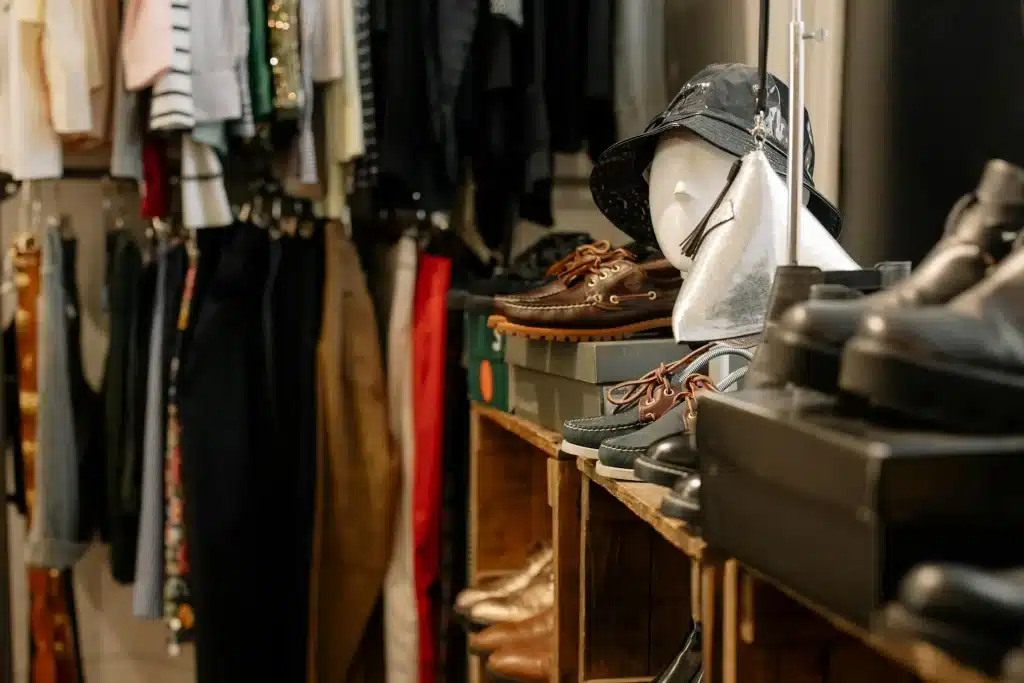
Building a business casual wardrobe doesn’t have to break the bank. With a few strategic investments and smart shopping habits, you can create a stylish and professional wardrobe on any budget.
Start by creating a capsule wardrobe of versatile, high-quality pieces that can be easily mixed and matched to create multiple outfits. Focus on classic, timeless styles in neutral colors like navy, gray, and khaki, as these will form the foundation of your wardrobe and can be easily dressed up or down.
Invest in a few key pieces, such as a well-fitted blazer, a quality dress shirt, and a pair of comfortable, stylish dress shoes. These items will serve as the cornerstone of your wardrobe and can elevate even the most basic outfits. Look for high-quality materials like wool, cotton, and leather, as these will last longer and look better over time.
For more affordable options, consider shopping at discount retailers, outlet stores, or online marketplaces. Many of these retailers offer stylish and well-made clothing at a fraction of the cost of designer or high-end brands. Look for sales, clearance events, and seasonal promotions to score great deals on business casual essentials.
Another way to save money on your business casual wardrobe is to opt for versatile, multi-purpose pieces that can be worn in different settings and seasons. A white dress shirt, for example, can be worn with a suit for a formal occasion, paired with chinos for a casual Friday, or layered under a sweater for a cozy winter look. Similarly, a navy blazer can be dressed up with dress pants and a tie, or dressed down with jeans and a t-shirt for a smart casual ensemble.
Finally, proper care and maintenance can extend the life of your business casual clothing and save you money in the long run. Follow the care instructions on your garments, and invest in quality hangers, garment bags, and cedar chips to protect your clothing from damage and wear. Regular cleaning, pressing, and polishing can also help your clothing look its best and last longer.
Dressing for Special Occasions

While business casual attire is appropriate for most workplaces and professional settings, there may be occasions that call for a more elevated or formal dress code. It’s essential to understand how to dress appropriately for these situations to ensure you make a positive impression and feel confident and comfortable.
For job interviews, it’s generally best to err on the side of formality and dress one level above the company’s typical dress code. For most business casual workplaces, this means wearing a well-fitted suit in a classic color like navy or charcoal, paired with a dress shirt, tie, and dress shoes. Ensure your clothing is clean, pressed, and properly tailored, and pay extra attention to grooming and personal hygiene.
When attending client meetings or presentations, it’s important to dress in a way that conveys professionalism, competence, and respect. Opt for a tailored suit or blazer and dress pants in a conservative color, and pair it with a crisp dress shirt and tie. Consider adding a pocket square or subtle accessory to show attention to detail and personal style.
For networking events and conferences, you may have more leeway to showcase your personal style and creativity while still maintaining a professional appearance. Consider a patterned or textured blazer, a unique tie or pocket square, or a stylish pair of shoes to make a memorable impression. However, always ensure your clothing fits well, is appropriate for the event’s dress code, and doesn’t distract from your professional goals and objectives.
Company parties and social gatherings may allow for a more relaxed or festive dress code, but it’s still important to dress in a way that is appropriate and respectful. Consider the event’s location, theme, and attendees when choosing your outfit, and opt for clothing that is comfortable, flattering, and stylish. A sport coat or blazer with dress pants or dark jeans, paired with a dress shirt or sweater, is a safe and versatile choice for most occasions.
Business Casual in Different Industries
In creative industries like media, advertising, and design, personal style and self-expression are often encouraged and celebrated. You may have more freedom to experiment with bold colors, patterns, and textures, and to incorporate vintage or avant-garde pieces into your outfits. However, it’s still crucial to ensure that your clothing is appropriate for the workplace and doesn’t distract from your professional responsibilities.
In more conservative fields like law, accounting, and government, a traditional business casual dress code is often expected. This means wearing classic, understated clothing in neutral colors like navy, gray, and black. Opt for well-fitted suits, dress shirts, and ties, and avoid overly trendy or casual items. Pay attention to details like the fit of your clothing, the quality of your shoes, and the cleanliness and simplicity of your accessories.
In education and academia, business casual attire can vary depending on your role, institution, and subject area. For teachers and professors, a classic and conservative approach is often appropriate, with items like blazers, dress pants, and button-up shirts. However, those in creative or artistic fields may have more leeway to express their personal style through clothing and accessories.
Business Casual Accessories

In addition to clothing, accessories can play a significant role in completing your business casual look and expressing your personal style. When choosing accessories, look for items that are functional, stylish, and appropriate for your workplace and industry.
A quality bag or briefcase is essential for carrying your daily essentials, such as your laptop, documents, and personal items. Opt for a classic style in a neutral color like black or brown, and look for durable materials like leather or canvas. A messenger bag or portfolio can also be a stylish and practical choice for creative or tech-focused industries.
Invest in a few versatile and stylish belts to complete your business casual outfits. Choose belts in classic colors like black and brown, and look for quality materials like leather or suede. Avoid overly flashy or large buckles, and ensure that your belt matches your shoes for a cohesive look.
A watch is a timeless and functional accessory that can elevate your business casual style. Opt for a classic and understated design in a neutral color like silver or gold, and look for a high-quality movement and durable materials like stainless steel or leather. Consider investing in a few different styles, such as a dress watch for more formal occasions and a sports watch for casual Fridays.
Other accessories to consider include a quality pen, a leather wallet or card holder, and a pair of sunglasses for outdoor events or commutes. When in doubt, choose accessories that are classic, understated, and appropriate for your workplace and personal style.
Casual Friday and Dressing Down

Casual Fridays have become increasingly popular in many workplaces, allowing employees to dress in a more relaxed and comfortable manner at the end of the week. However, it’s essential to understand what is and isn’t appropriate for your specific workplace, and to avoid common mistakes that can undermine your professional image.
For most business casual workplaces, Casual Friday attire typically means dark-wash jeans, khakis, or chinos paired with a collared shirt, sweater, or polo. Avoid overly casual items like graphic tees, shorts, or athletic wear, and ensure that your clothing is clean, well-fitted, and free of holes or distressing.
When dressing down for Casual Friday, it’s still important to maintain a polished and put-together appearance. Opt for high-quality, well-fitted clothing in classic styles and colors, and avoid anything too revealing, oversized, or sloppy. Pay attention to details like the cleanliness of your shoes, the fit of your jeans, and the appropriateness of any accessories or jewelry.
If you’re unsure about your workplace’s Casual Friday policy, it’s always best to err on the side of caution and dress slightly more formally than you think is necessary. Observe what your colleagues and supervisors are wearing, and aim to match or slightly exceed their level of formality. Remember that Casual Friday is still a workday, and your clothing should reflect your professionalism and respect for your job and colleagues.
Business Casual for Travel

Business travel can be stressful and challenging, but dressing appropriately can help you feel confident, comfortable, and prepared for any situation. When packing for a business trip, focus on versatile, wrinkle-resistant pieces that can be easily mixed and matched to create multiple outfits.
Start with a few key pieces like a well-fitted blazer, dress pants, and button-up shirts in neutral colors. These items can be easily dressed up or down depending on the occasion, and can be paired with more casual pieces like chinos or dark jeans for a smart casual look.
Consider the climate and activities of your destination when choosing your travel wardrobe. If you’re traveling to a warm location, opt for lightweight fabrics like cotton or linen in light colors. If you’re attending outdoor events or walking tours, pack comfortable shoes like loafers or dress sneakers that can handle different terrain and weather conditions.
When packing accessories, choose items that are functional, versatile, and easy to transport. A quality leather bag or briefcase can hold all your essentials and double as a carry-on for flights. A classic watch and a few simple jewelry pieces can elevate your outfits without taking up too much space in your luggage.
Finally, don’t forget to pack a few essential grooming items like a travel-sized toiletry kit, a lint roller, and a stain remover pen. These items can help you look your best and handle any last-minute wardrobe mishaps or spills.
Business Casual Style Icons and Inspiration

Looking to style icons and influencers can be a great way to find inspiration and ideas for your own business casual wardrobe. Here are a few examples of celebrities, public figures, and influencers known for their stylish and professional looks:
- Ryan Gosling: Known for his classic, tailored style, Gosling often pairs well-fitted suits with crisp white shirts and simple accessories for a timeless and sophisticated look.
- David Beckham: The former soccer star is known for his impeccable fashion sense, often mixing classic pieces like blazers and dress pants with more casual items like jeans and sneakers for a modern and stylish aesthetic.
- John Legend: The singer and songwriter often opts for a smart casual look, pairing well-fitted chinos or dark jeans with button-up shirts, sweaters, and blazers in rich, sophisticated colors.
- Idris Elba: The actor is known for his effortlessly cool style, often mixing classic tailoring with trendy pieces like leather jackets, patterned shirts, and bold accessories.
In addition to celebrities, there are countless menswear bloggers and influencers who share their own takes on business casual style. Some popular accounts to follow include:
- Scott Schuman (The Sartorialist): Based in New York, Scott Schuman is a celebrated fashion photographer and blogger known for his blog, The Sartorialist. He captures and shares classic and tailored looks from around the world, providing expert styling tips through his photography.
- Joel Mcloughlin (Gallucks): A British influencer and YouTuber, Joel Mcloughlin, known online as Gallucks, is recognized for his distinctive mix of streetwear and contemporary fashion. He often features bold colors and patterns, making his style advice particularly notable for those looking to make a statement.
- Marcel Floruss (One Dapper Street): Marcel Floruss is a New York-based German influencer running the popular blog and YouTube channel One Dapper Street. He specializes in a modern, minimalist approach to business casual attire, focusing on high-quality basics and sleek, subtle statement pieces.
Remember, while it can be helpful to find inspiration from others, the key to developing your own business casual style is to choose pieces that make you feel confident, comfortable, and authentic. Experiment with different colors, patterns, and silhouettes to find what works best for your body type, personal style, and workplace culture.
Frequently Asked Questions (FAQs)
Can I wear jeans for business casual?
In some workplaces, dark, well-fitted jeans may be acceptable for business casual, particularly on Casual Fridays or in more creative industries. However, it’s essential to gauge your company’s dress code and culture before incorporating jeans into your work wardrobe. If in doubt, opt for chinos, khakis, or dress pants instead.
Are sneakers appropriate for the office?
Sneakers are generally not considered appropriate for a traditional business casual office. However, some modern or creative workplaces may allow clean, minimalist sneakers in neutral colors as part of a smart casual look. Always prioritize clean, well-maintained footwear, and defer to your company’s specific dress code and norms.
How do I dress business casual in hot weather?
For hot weather, choose lightweight, breathable fabrics like cotton, linen, or performance blends in light colors. Opt for short-sleeved button-up shirts, polos, or lightweight sweaters paired with chinos, khakis, or dress pants in summer-appropriate colors like white, beige, or light gray. Consider loafers, boat shoes, or dress sandals for a comfortable and stylish summer look.
What should I wear to a job interview?
When interviewing for a job, it’s always best to dress slightly more formally than the company’s typical dress code. For most business casual workplaces, this means a well-fitted suit in a conservative color like navy or charcoal, paired with a dress shirt, tie, and dress shoes. Ensure your clothing is clean, pressed, and properly tailored, and pay attention to grooming and personal hygiene.
How can I add personality to my business casual outfits?
There are many ways to add personality and flair to your business casual outfits while still maintaining a professional appearance. Consider incorporating subtle patterns, textures, or pops of color through your shirts, ties, or pocket squares. Experiment with different accessories like watches, cufflinks, or lapel pins to express your personal style. Finally, focus on fit and quality to ensure that your clothing looks tailored, intentional, and polished.
Glossary
- Business casual: A dress code that combines professional and relaxed elements, typically including collared shirts, dress pants or khakis, and dress shoes.
- Smart casual: A slightly more relaxed interpretation of business casual, incorporating elements like sweaters, polos, and dark jeans.
- Capsule wardrobe: A curated collection of versatile, high-quality pieces that can be easily mixed and matched to create a variety of outfits.
- Dress code: A set of guidelines or expectations for appropriate attire in a particular setting, such as a workplace or event.
- Lapel: The folded flaps of fabric on the front of a jacket or coat, usually forming a V-shape below the collar.
- Chinos: Cotton twill pants, typically in a khaki or other light color, that are dressier than jeans but more casual than dress pants.
- Oxford shirt: A classic dress shirt characterized by a basket-weave fabric, button-down collar, and a slightly heavier weight than other dress shirts.
- Blazer vs. sport coat: While often used interchangeably, a blazer is a solid-colored jacket with metal buttons, while a sport coat is made of textured fabric and has matching buttons.
Conclusion: Business Casual Men
Mastering the art of business casual dressing can have a significant impact on your professional image, self-confidence, and overall success in the workplace. By understanding your company’s dress code, investing in high-quality, versatile pieces, and paying attention to fit, color, pattern, and texture, you can create a polished and put-together look that reflects your personal style and professional goals.
Remember, business casual is all about striking a balance between comfort and professionalism, and adapting to the specific norms and expectations of your industry and workplace culture. Don’t be afraid to experiment with different styles and combinations, and seek out inspiration from fashion icons, influencers, and colleagues whose style you admire.
As workplace fashion trends continue to evolve and change, it’s essential to stay open-minded, adaptable, and willing to invest in your personal and professional development. By prioritizing quality, fit, and appropriateness in your business casual wardrobe, you can project confidence, competence, and success in any professional setting.
Before You Go
Now that you’ve learned the ins and outs of business casual style for men, it’s time to put your knowledge into practice. Start by assessing your current wardrobe and identifying any gaps or areas for improvement. Invest in a few key pieces like a well-fitted blazer, quality dress shoes, and versatile accessories that can elevate any outfit.
Remember, developing your own unique business casual style is an ongoing process that requires patience, experimentation, and a willingness to learn and grow. By staying open-minded, adaptable, and true to yourself, you can create a wardrobe that reflects your personality, values, and professional goals, and helps you feel confident and successful in any business setting.
Discover the perfect blend of style and protection with our exclusive men’s sunglasses. Elevate your look today by visiting our store today.
Further Reading
For more insights on business casual attire and how to effectively incorporate it into your wardrobe, consider exploring the following resources:
- The Essential Man’s Guide to Business Casual: Dive into a comprehensive guide to business casual style for men, offering practical advice on everything from wardrobe essentials to seasonal variations. Learn More
- Men’s Guide to Perfecting Business Casual: Discover different interpretations of business casual across industries, and how to adapt your style to meet your workplace’s specific requirements. Read Article
Navigating Business Casual Attire: Gain a deeper understanding of what business casual really means today, including tips on how to strike the perfect balance between professional and casual. Explore Further

