


Style
Luxury Watches for Men Ultimate Guide: Unveiling the World of High-End Timepieces

Table of Contents
The world of luxury watches is a fascinating realm where craftsmanship, history, and style intertwine. For centuries, men have been captivated by the allure of high-end timepieces, which serve as both functional tools and symbols of status, taste, and refinement.
Luxury watches are more than just timekeeping devices; they are works of art that embody the pinnacle of horological expertise. The history and craftsmanship behind these timepieces are as intricate as the watches themselves. From the early days of pocket watches to the modern era of wristwatches, luxury watch brands have pushed the boundaries of innovation, creating timepieces that are marvels of engineering and design.
Investing in a luxury watch is not merely a purchase; it is a statement of individual style and an appreciation for the finer things in life. A high-end timepiece is a valuable asset that can be treasured for a lifetime and passed down through generations as a cherished heirloom.
In this ultimate guide, we will delve into the fascinating world of luxury watches for men. We will explore the anatomy of a luxury watch, the iconic brands that have shaped the industry, and the factors to consider when choosing the perfect timepiece. Whether you are a seasoned collector or a newcomer to the world of luxury watches, this guide will provide you with the knowledge and insights to navigate this captivating realm.
Anatomy of a Luxury Watch
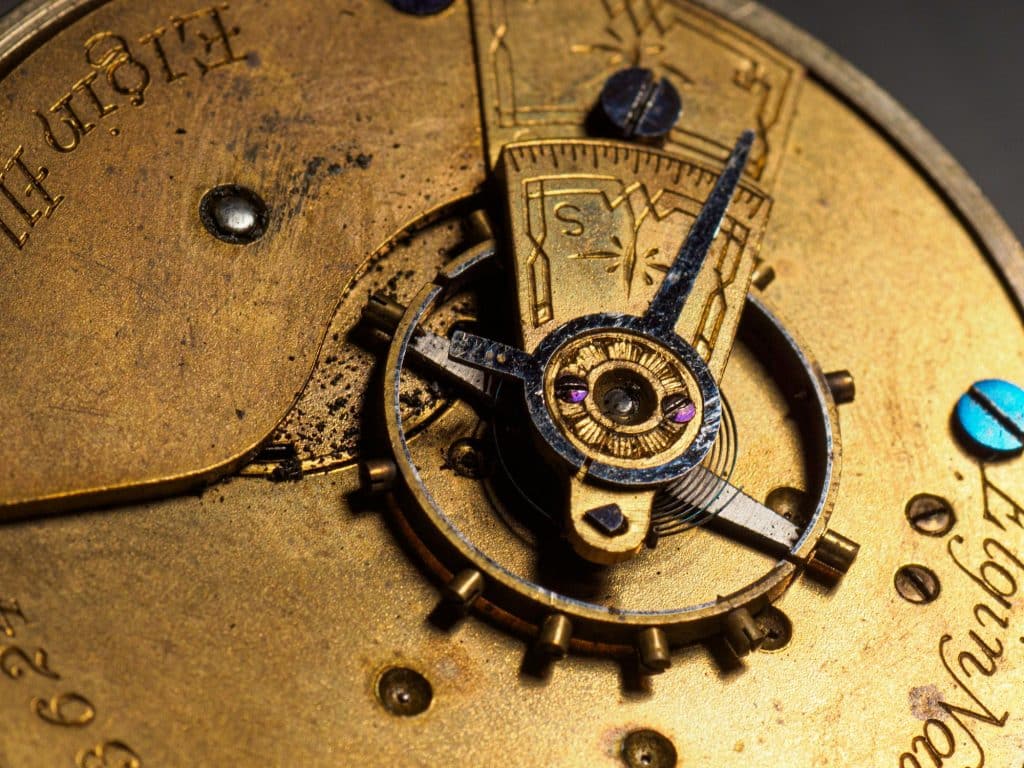
At the heart of every luxury watch lies a complex system of components that work in harmony to keep time with exceptional accuracy. Understanding the anatomy of a luxury watch is essential for appreciating the craftsmanship and engineering that goes into creating these timepieces.
Movement
The movement is the engine that powers a watch, and it comes in two main types: mechanical and quartz.
Mechanical (manual and automatic)
Mechanical movements are the traditional choice for luxury watches. They are powered by a mainspring that must be wound either manually or automatically through the motion of the wearer’s wrist. Manual movements require daily winding, while automatic movements are self-winding, harnessing the energy from the wearer’s movements.
Quartz
Quartz movements are powered by a battery and use a quartz crystal to regulate timekeeping. While they are generally more accurate than mechanical movements, they are less favored in the world of luxury watches due to their lack of craftsmanship and tradition.
Complications
Complications are additional functions beyond basic timekeeping that add to the complexity and functionality of a watch.
Chronograph
A chronograph is a stopwatch function that allows the wearer to measure elapsed time. It is often represented by sub-dials on the watch face and controlled by pushers on the side of the case.
Perpetual calendar
A perpetual calendar watch automatically adjusts for the varying lengths of months and leap years, displaying the correct date without the need for manual adjustment.
Tourbillon
A tourbillon is a rotating cage that houses the escapement and balance wheel, designed to counteract the effects of gravity on the watch’s accuracy.
Moon phase
A moon phase complication displays the current phase of the moon, adding a touch of celestial elegance to the watch.
GMT and world time
GMT (Greenwich Mean Time) and world time complications allow the wearer to track time in multiple time zones simultaneously.
Case materials
Luxury watches are crafted from a range of high-quality materials, each with its own unique properties and aesthetic appeal.
Stainless steel
Stainless steel is a popular choice for its durability, resistance to corrosion, and sleek appearance.
Gold (yellow, white, and rose)
Gold is a classic choice for luxury watches, offering a timeless and opulent look. Yellow, white, and rose gold are the most common variations.
Platinum
Platinum is a rare and prestigious metal, prized for its density, durability, and understated luster.
Titanium
Titanium is a lightweight and strong metal, often used in sports watches for its hypoallergenic properties and resistance to corrosion.
Dial and hands
The dial is the face of the watch, displaying the time and any complications. Luxury watch dials are often crafted from high-quality materials such as enamel, mother-of-pearl, or precious metals, and feature intricate designs, textures, and finishes. The hands are the indicators that move to point to the time, and they come in a variety of styles, such as dauphine, baton, or sword-shaped.
Crystal (sapphire and mineral)
The crystal is the transparent cover that protects the dial and hands. Sapphire crystal is the preferred choice for luxury watches due to its exceptional hardness and scratch resistance. Mineral crystal, while less expensive, is more prone to scratches and damage.
Strap and bracelet options
Luxury watches are paired with high-quality straps or bracelets that complement the overall design and functionality of the timepiece.
Leather
Leather straps are a classic choice, offering a timeless and sophisticated look. They are available in a range of colors and finishes, from smooth and glossy to textured and matte.
Metal
Metal bracelets, such as those made from stainless steel, gold, or platinum, are durable and versatile, suitable for both dress and sports watches.
Rubber and silicone
Rubber and silicone straps are popular choices for sports and dive watches, offering water resistance, durability, and comfort.
Iconic Luxury Watch Brands
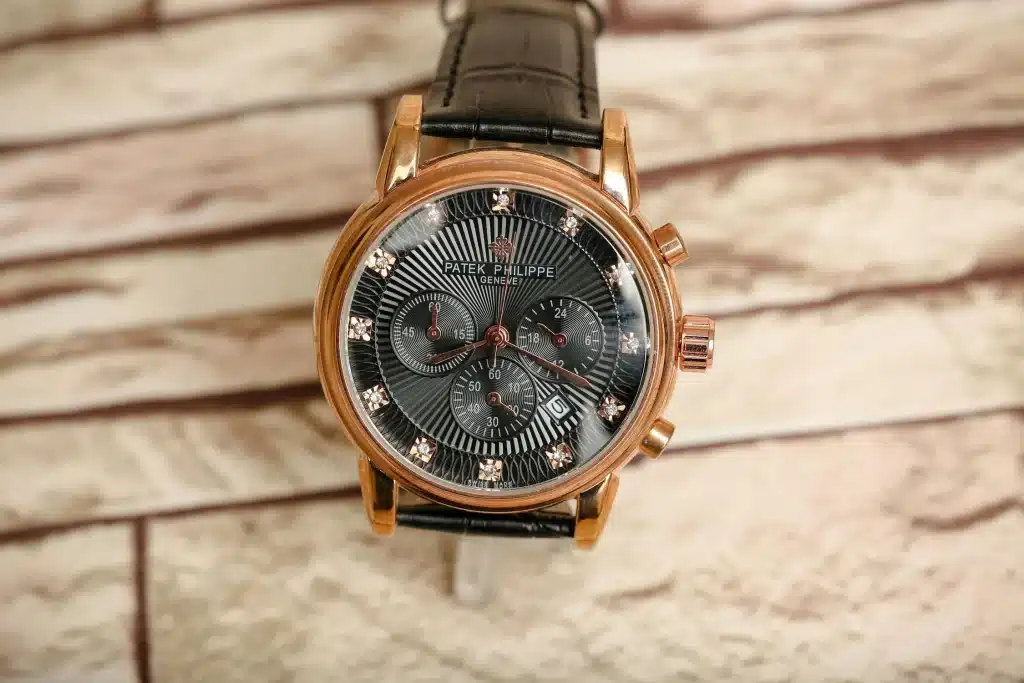
The world of luxury watches is dominated by a select group of iconic brands that have shaped the industry with their innovation, craftsmanship, and timeless designs. These brands have a rich history and a reputation for excellence that sets them apart from their competitors.
Rolex
Rolex is perhaps the most well-known luxury watch brand in the world, synonymous with prestige, quality, and innovation. Founded in 1905, Rolex has pioneered numerous horological advancements, such as the first waterproof wristwatch (the Oyster) and the first self-winding mechanism (the Perpetual).
Patek Philippe
Patek Philippe is a Swiss luxury watch manufacturer renowned for its exceptional craftsmanship, complicated movements, and timeless elegance. Founded in 1839, the brand has a long-standing reputation for creating some of the most sought-after and valuable timepieces in the world.
Audemars Piguet
Audemars Piguet is a Swiss luxury watch brand known for its distinctive designs and innovative complications. The brand’s iconic Royal Oak model, introduced in 1972, was the first luxury sports watch to be made from stainless steel, revolutionizing the industry.
Vacheron Constantin
Vacheron Constantin is one of the oldest continuously operating watch manufacturers in the world, founded in 1755. The brand is known for its exquisite craftsmanship, intricate complications, and classic designs that embody the essence of Swiss watchmaking.
Jaeger-LeCoultre
Jaeger-LeCoultre is a Swiss luxury watch brand renowned for its technical prowess and innovative spirit. The brand has created over 1,200 calibres and holds numerous patents, cementing its position as a leader in horological innovation.
Lange & Söhne
A. Lange & Söhne is a German luxury watch brand known for its exceptional craftsmanship, attention to detail, and distinctive design language. The brand’s timepieces are characterized by their clean lines, precision engineering, and traditional Saxon watchmaking techniques.
Breguet
Breguet is a Swiss luxury watch brand with a rich history dating back to 1775. The brand is known for its elegant and innovative timepieces, which have been worn by notable figures such as Marie Antoinette, Napoleon Bonaparte, and Sir Winston Churchill.
Cartier
Cartier is a French luxury goods company known for its exquisite jewelry and watches. The brand’s timepieces are characterized by their distinctive designs, such as the iconic Tank and Santos models, which have become classics in the world of luxury watches.
IWC
IWC (International Watch Company) is a Swiss luxury watch brand known for its aviation-inspired timepieces and technical prowess. The brand’s watches are characterized by their clean, functional designs and robust construction, making them popular among pilots and adventurers.
Omega
Omega is a Swiss luxury watch brand with a storied history that includes being the official timekeeper of the Olympic Games and the watch worn by NASA astronauts on the moon. The brand is known for its precision, innovation, and association with James Bond films.
Panerai
Panerai is an Italian luxury watch brand known for its oversized, luminous dials and strong association with the Italian Navy. The brand’s timepieces are characterized by their bold, masculine designs and exceptional legibility.
Breitling
Breitling is a Swiss luxury watch brand known for its aviation-inspired timepieces and chronographs. The brand’s watches are characterized by their large, highly legible dials, technical complications, and sturdy construction, making them popular among pilots and adventurers.
Choosing the Perfect Luxury Watch

Selecting the perfect luxury watch is a highly personal decision that involves considering your lifestyle, preferences, and budget. With so many options available, it can be overwhelming to navigate the world of high-end timepieces. Here are some factors to consider when choosing your ideal luxury watch:
Considering your lifestyle and preferences
Your choice of luxury watch should reflect your personal style and complement your lifestyle. Consider whether you prefer a classic and understated design or a bold and sporty look. Think about the activities you engage in regularly and choose a watch that can withstand the demands of your lifestyle.
Dress watches vs. sports watches
Dress watches are elegant and refined, designed to be worn with formal attire. They often feature simple, clean dials and slim cases made from precious metals. Sports watches, on the other hand, are more rugged and functional, built to withstand the rigors of physical activity. They often feature larger cases, more complex dials, and durable materials like stainless steel or titanium.
Complications and functions
Consider which complications and functions are most important to you. Do you need a chronograph for timing events? Are you interested in tracking multiple time zones with a GMT or world time complication? Do you appreciate the artistry of a tourbillon or the romance of a moon phase display? Choose a watch that incorporates the features that align with your interests and needs.
Brand reputation and heritage
The reputation and heritage of a luxury watch brand can greatly influence your decision. Research the history and values of the brands that interest you, and consider their position within the horological industry. A brand with a strong reputation for quality, innovation, and craftsmanship can provide added value and peace of mind.
Resale value and investment potential
While a luxury watch should primarily be chosen for personal enjoyment, it’s worth considering its potential resale value and investment potential. Some brands and models tend to hold their value better over time or even appreciate, making them attractive options for those looking to invest in a timepiece.
Luxury Watch Styles and Collections

Luxury watch brands offer a wide range of styles and collections to suit various tastes and occasions. Here are some of the most popular categories:
Dress watches
Dress watches are designed to complement formal attire and exude elegance and sophistication. They often feature simple, uncluttered dials, slim cases, and premium materials like gold or platinum. Examples include the Patek Philippe Calatrava, the Vacheron Constantin Patrimony, and the Jaeger-LeCoultre Master Ultra Thin.
Diving watches
Diving watches are built to withstand the pressures of deep-sea exploration, with water resistance ratings of at least 100 meters. They often feature unidirectional rotating bezels, luminous dials and hands, and rugged construction. Examples include the Rolex Submariner, the Omega Seamaster, and the Panerai Luminor Submersible.
Aviation watches
Aviation watches are inspired by the world of flight and often feature complications useful for pilots, such as chronographs, GMT functions, and slide-rule bezels. They tend to have large, highly legible dials and robust cases. Examples include the IWC Pilot’s Watch, the Breitling Navitimer, and the Zenith Pilot Type 20.
Racing and automotive-inspired watches
Racing and automotive-inspired watches pay homage to the world of motorsports, incorporating design elements like tachymeter scales, perforated leather straps, and bold, colorful accents. Examples include the TAG Heuer Carrera, the Chopard Mille Miglia, and the Hublot Big Bang Ferrari.
Skeleton and open-heart watches
Skeleton and open-heart watches showcase the intricate mechanics of the movement through transparent or partially exposed dials. These timepieces celebrate the art of watchmaking and allow the wearer to appreciate the craftsmanship behind the watch. Examples include the Cartier Santos de Cartier Skeleton, the Roger Dubuis Excalibur Skeleton, and the Richard Mille RM 011 Automatic Flyback Chronograph.
Limited editions and special collaborations
Luxury watch brands often release limited edition models or collaborate with artists, designers, or other brands to create unique and exclusive timepieces. These watches can be highly sought-after by collectors and enthusiasts, offering a blend of rarity and creative vision. Examples include the Omega Speedmaster Apollo 11 50th Anniversary Limited Edition, the Hublot Big Bang Unico Sang Bleu II, and the Bremont Hawking Limited Edition.
Buying a Luxury Watch

Investing in a luxury watch is a significant decision that requires careful consideration. Here are some factors to keep in mind when making your purchase:
Authorized dealers vs. gray market sellers
It’s essential to purchase your luxury watch from a reputable source. Authorized dealers are officially licensed by the watch brands to sell their products and offer the assurance of authenticity, warranty coverage, and after-sales service. Gray market sellers, while often offering lower prices, may sell watches without a valid warranty or with questionable provenance.
New vs. pre-owned watches
Buying a new luxury watch ensures that you are the first owner and that the timepiece is in pristine condition. However, pre-owned watches can offer significant savings and the opportunity to acquire rare or discontinued models. When purchasing a pre-owned watch, be sure to deal with a trusted seller and verify the watch’s authenticity and condition.
Verifying authenticity and condition
To ensure that you are getting a genuine luxury watch, research the brand and model extensively. Familiarize yourself with the watch’s features, materials, and serial numbers. When purchasing a pre-owned watch, request a complete service history and any relevant documentation. If in doubt, have the watch authenticated by a professional or the manufacturer.
Negotiating price and getting the best deal
While luxury watch prices are often fixed, there may be some room for negotiation, especially when purchasing from an authorized dealer. Building a relationship with a trusted dealer can lead to better deals and access to limited-edition models. Be aware of market prices and any promotions or discounts that may be available.
Warranty and after-sales service
A comprehensive warranty and reliable after-sales service are crucial when investing in a luxury watch. Ensure that your watch comes with a valid manufacturer’s warranty and that the seller offers a solid reputation for customer service. Familiarize yourself with the brand’s service policies and procedures, as regular maintenance is essential to keep your timepiece in top condition.
Luxury Watch Maintenance and Care

Properly maintaining and caring for your luxury watch is essential to ensure its longevity and optimal performance. Here are some key aspects of luxury watch maintenance:
Regular servicing and overhauls
Just like a fine automobile, a luxury watch requires regular servicing to keep its movement running smoothly. Most manufacturers recommend servicing a mechanical watch every 3-5 years, depending on the model and usage. During a service, a trained watchmaker will disassemble, clean, lubricate, and reassemble the movement, replacing any worn parts as necessary.
Cleaning and polishing
To keep your luxury watch looking its best, regular cleaning and polishing are essential. Use a soft, lint-free cloth to gently wipe down the case and bracelet, paying attention to any crevices where dirt may accumulate. Avoid using harsh chemicals or abrasive materials that could damage the watch’s finish.
Storing and winding
When not in use, store your luxury watch in a safe, dry place, such as a dedicated watch box or a soft pouch. For manual-wind watches, be sure to wind them regularly (usually every 24-48 hours) to keep the mainspring tensioned and the watch running accurately. Automatic watches should be kept in a watch winder if not worn frequently to maintain their power reserve.
Protecting your watch from damage
To protect your luxury watch from damage, avoid exposing it to extreme temperatures, strong magnetic fields, or harsh chemicals. Be mindful of your watch’s water resistance rating and avoid submerging it beyond its limits. When engaging in activities that may put your watch at risk, such as sports or manual labor, consider removing it or opting for a more rugged timepiece.
Insuring your luxury timepiece
Given the significant investment that a luxury watch represents, it’s wise to insure your timepiece against theft, loss, or damage. Many homeowner’s or renter’s insurance policies offer coverage for valuable items like watches, but be sure to check the specifics of your policy. Alternatively, consider purchasing a dedicated watch insurance policy from a specialized provider.
Pairing Luxury Watches with Style
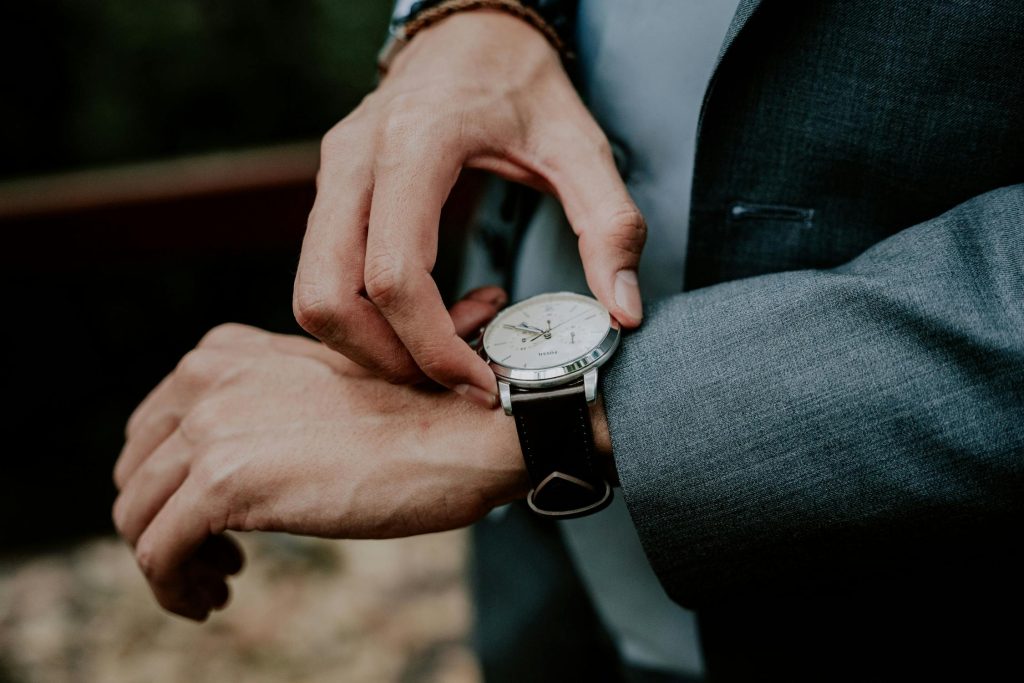
A luxury watch is not only a functional accessory but also a statement of personal style. Here are some tips for pairing your luxury watch with your wardrobe:
Matching your watch with your outfit
Consider the formality of your outfit when choosing a watch. A dress watch with a slim profile and simple dial is ideal for formal occasions, while a sportier or more complex watch can complement casual attire. Pay attention to the colors and materials of your watch and choose one that harmonizes with your clothing.
Dress codes and occasions
Be mindful of dress codes and occasions when selecting a watch. For example, a bold, oversized sports watch may not be appropriate for a black-tie event, while a sleek, minimalist dress watch may look out of place at a casual gathering. Consider the expectations and norms of the event you’re attending.
Accessorizing with other jewelry
When wearing other jewelry, such as rings, bracelets, or cufflinks, ensure that your watch complements rather than clashes with these pieces. Consider the metals, colors, and styles of your jewelry and choose a watch that creates a cohesive look.
Building a watch collection
As you develop your personal style and appreciate the world of luxury watches, you may find yourself wanting to build a collection. Consider acquiring watches that serve different purposes and suit various occasions, such as a dress watch, a sports watch, and a casual everyday timepiece. A well-rounded collection allows you to express your style and appreciate the diversity of horological craftsmanship.
The Psychology of Luxury Watch Ownership
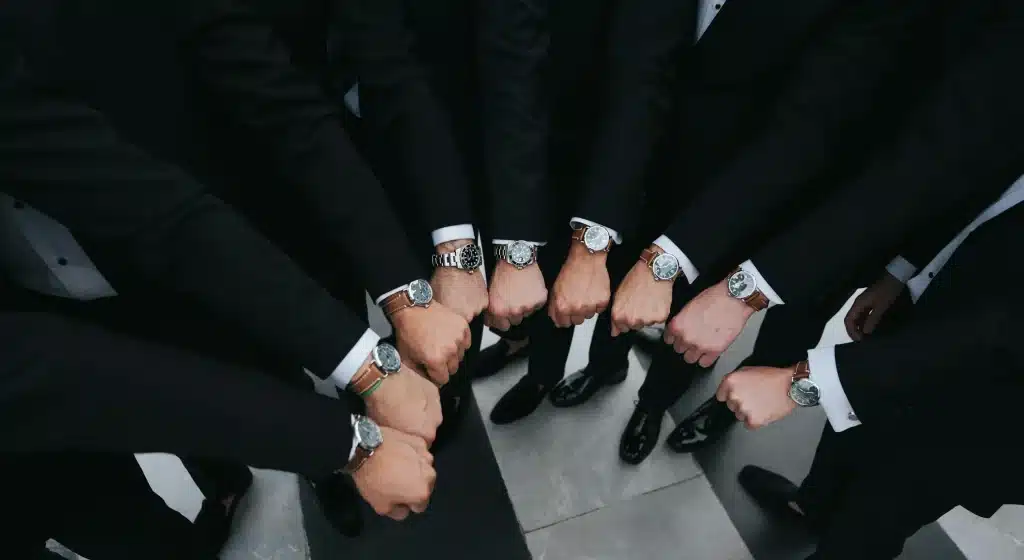
The appeal of luxury watches extends beyond their functional and aesthetic qualities. Owning a high-end timepiece can evoke powerful emotions and convey deeper meanings:
The emotional appeal of high-end timepieces
Luxury watches are often associated with feelings of success, achievement, and self-reward. The act of purchasing and wearing a fine timepiece can be a way to mark personal milestones or celebrate accomplishments. The emotional connection to a luxury watch can make it a cherished and meaningful possession.
Watches as status symbols
In many social and professional circles, luxury watches serve as status symbols, signifying wealth, taste, and refinement. Wearing a prestigious brand or a rare, limited-edition model can convey a sense of exclusivity and sophistication.
The joy of collecting and appreciating fine craftsmanship
For many watch enthusiasts, the pleasure of owning a luxury timepiece lies in appreciating the artistry, innovation, and heritage behind the watch. Collecting watches can be a rewarding hobby that allows one to explore the rich history of horology and connect with a community of like-minded aficionados.
Passing down watches as heirlooms
Luxury watches are often seen as heirlooms to be passed down through generations. The idea of owning a timepiece that can be shared with future generations adds a layer of emotional significance and continuity to the watch. Knowing that a beloved timepiece may one day be cherished by a child or grandchild can make the ownership experience even more meaningful.
Luxury Watch Trends and Innovations
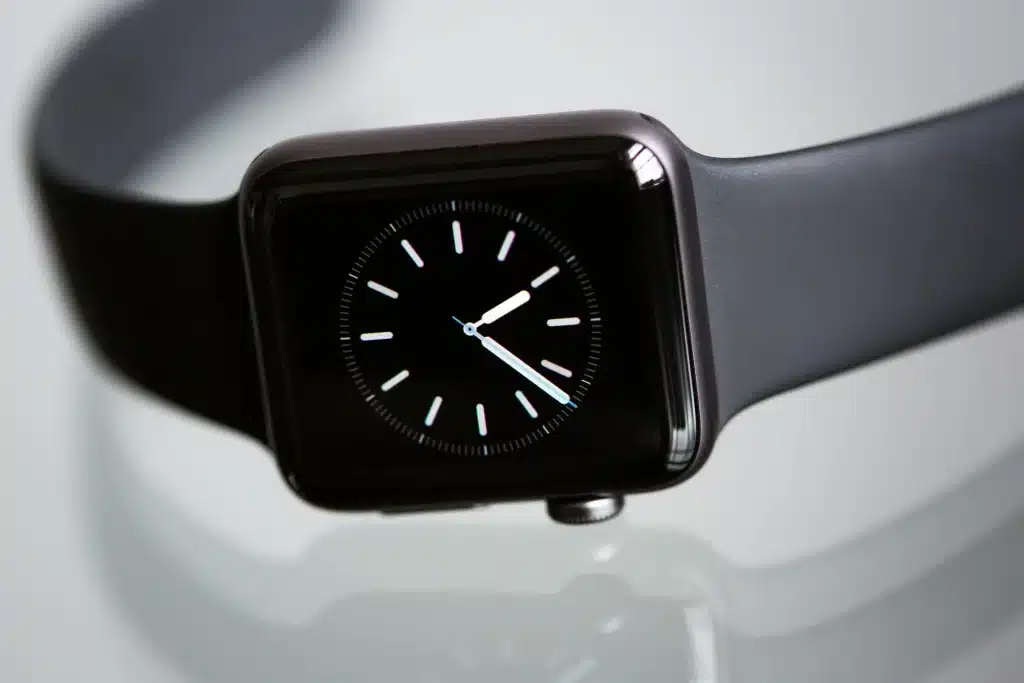
The world of luxury watches is constantly evolving, with new trends and innovations shaping the industry. Here are some notable developments in recent years:
Smartwatches and hybrid watches
As technology advances, luxury watch brands have begun to incorporate smartwatch features into their timepieces. Some brands have developed hybrid watches that combine traditional mechanical movements with digital functionality, such as activity tracking or mobile connectivity.
Sustainable and eco-friendly materials
In response to growing environmental concerns, some luxury watch brands are exploring the use of sustainable and eco-friendly materials in their products. This includes using recycled metals, ethically sourced gold, and plant-based straps.
Vintage-inspired designs and reissues
Many luxury watch brands are drawing inspiration from their archives, reissuing classic models or creating new timepieces that pay homage to historical designs. This trend allows brands to celebrate their heritage while appealing to consumers’ nostalgia and appreciation for timeless style.
Bespoke and customizable watches
Some luxury watch brands are offering bespoke or customizable options, allowing clients to personalize their timepieces with unique materials, colors, or engravings. This trend caters to the growing desire for individuality and self-expression in the world of luxury goods.
The Future of Luxury Watches

As the world continues to change, the luxury watch industry must adapt to stay relevant and thriving. Here are some factors that may shape the future of luxury watches:
The impact of technology on traditional watchmaking
As smartwatches and other digital devices become more prevalent, traditional watchmakers must find ways to innovate and incorporate new technologies without compromising their core values of craftsmanship and heritage.
The growing popularity of independent watchmakers
In recent years, there has been a surge of interest in independent watchmakers who offer unique, creative, and often limited-edition timepieces. These smaller brands are challenging the established players and appealing to consumers who seek exclusivity and individuality.
The evolving tastes of younger generations
As younger generations, such as Millennials and Gen Z, become more influential in the luxury market, their preferences and values may shape the future of luxury watches. Brands must adapt to changing tastes and priorities, such as a greater emphasis on sustainability, transparency, and digital engagement.
The role of luxury watches in a changing world
In an increasingly fast-paced and digital world, the role of luxury watches may evolve. While their primary function of timekeeping may become less essential, their value as works of art, symbols of achievement, and vehicles for self-expression may become even more significant.
Frequently Asked Questions (FAQ)
How much should I spend on a luxury watch?
The amount you should spend on a luxury watch depends on your personal budget, priorities, and collecting goals. Luxury watches can range from a few thousand dollars to several hundred thousand dollars or more. It’s essential to set a budget that aligns with your financial situation and to purchase from reputable dealers or brands.
What is the best luxury watch brand?
There is no single “best” luxury watch brand, as preferences vary depending on individual tastes, needs, and priorities. Some of the most renowned and respected brands include Rolex, Patek Philippe, Audemars Piguet, and Vacheron Constantin, but many other excellent brands cater to different styles and budgets.
Are luxury watches a good investment?
While some luxury watches can appreciate in value over time, it’s essential to approach watch collecting primarily as a passion rather than an investment strategy. The value of a watch can be influenced by various factors, such as brand reputation, rarity, condition, and market demand. If investment is a primary concern, it’s essential to research historical price trends and seek advice from experienced collectors or dealers.
How often should I service my luxury watch?
Most luxury watch brands recommend servicing a mechanical watch every 3-5 years to ensure optimal performance and longevity. However, this can vary depending on the specific model and usage. It’s essential to follow the manufacturer’s guidelines and have your watch serviced by a qualified watchmaker or service center.
Can I wear a luxury watch every day?
Yes, many luxury watches are designed to be worn daily, and regular wear can help keep the movement running smoothly. However, it’s essential to choose a watch that suits your lifestyle and to be mindful of activities that may put your watch at risk of damage. If you own multiple watches, it’s a good idea to rotate them to keep them all in good working condition.
Horological Glossary

Navigate the world of watches with our comprehensive glossary of key terms.
- Aperture: A small window on the watch dial displaying indications like the date.
- Automatic: A mechanical watch wound by the motion of the wearer’s arm. Has a power reserve so it keeps running when not worn for a period of time.
- Barrel: The cylindrical drum housing the mainspring that powers the watch.
- Bezel: The ring encircling the watch crystal, sometimes set with gems or marked with numbers.
- Bi-Directional Bezel: A bezel that rotates both clockwise and counterclockwise for making calculations. Uni-directional bezels turn one way.
- Breguet Numerals & Hands: Distinct numeral and hand designs invented by watchmaker Abraham-Louis Breguet in the late 18th century.
- Cabochon: A dome-shaped polished gemstone used to decorate the crown or lugs.
- Calibre: The specific name given to a watch movement.
- Case: The metal body of the watch that contains and protects the movement. Made from materials like stainless steel, gold, or ceramic.
- Ceramic: A high-tech, scratch-resistant material used for cases and accents.
- Chapter Ring: A ring on the dial with hour/minute markings or calculation scales.
- Chronograph: A watch with a stopwatch function for timing events. Has pushers to start, stop and reset.
- Chronometer: A watch certified to meet precision standards set by the COSC.
- Complication: Any function beyond standard timekeeping, like a calendar or second time zone.
- COSC: The official Swiss institute that tests and certifies the accuracy of watch movements.
- Crown: The button on the case used to wind the mainspring and set the time/date.
- Dauphine Hands: A popular hand style that tapers to a point with a faceted center.
- Dial: The face of the watch displaying the time and other functions. Can feature decorative finishes and materials.
- Dive Watch: A watch built for underwater use with high water resistance, rubber straps, and a rotating bezel.
- DLC: Diamond-like carbon – a scratch and corrosion resistant black coating.
- Dual Time/GMT: A watch able to track two time zones using an extra hand or subdial.
- Enamel: A glass-like material heated and applied to metal, used for dials.
- Escapement: The mechanism in a mechanical watch that regulates the release of power from the mainspring.
- Flinqué: A decorative pattern of concentric lines engraved on a watch dial.
- Flyback Chronograph: Allows instant resetting of the chronograph with one pusher press while it’s running.
- Geneva Seal: A mark of quality awarded to movements made in Geneva that meet strict criteria.
- Grande Complication: A highly complex mechanical watch with several complications.
- Guilloché: An intricate, repetitive engraved pattern found on watch dials.
- Helium Escape Valve: Allows helium gas to safely exit a dive watch during saturation diving to prevent damage.
- Horology: The art and science of making timepieces.
- Luminescent: A glow-in-the-dark material applied to hands and markers for low-light visibility.
- Lugs: The projections where the strap/bracelet attaches to the watch case.
- Mainspring: The coiled metal spring that stores power in a mechanical watch.
- Manual Wind: A mechanical watch powered by turning the crown by hand.
- Minute Repeater: A complication that chimes the hours, quarter hours and minutes on demand.
- Moon Phase: Depicts the current phase of the moon via a window on the dial.
- Mother-of-Pearl: The iridescent lining of certain mollusk shells, used for dials.
- Movement: The internal mechanism of a watch that powers it and regulates timekeeping.
- Perpetual Calendar: A calendar complication that automatically adjusts for different month lengths and leap years.
- Power Reserve: The amount of time a mechanical watch will run when fully wound.
- PVD: Physical vapor deposition, a method of coating watch cases for color and durability.
- Quartz: An electronic watch powered by a battery and timed by a quartz crystal oscillator.
- Sapphire Crystal: The transparent, scratch-resistant cover protecting the watch dial.
- Screw-down Crown: A crown that screws into the case for improved water resistance.
- Skeleton Watch: A watch with cut-away parts revealing the moving components inside.
- Subdial: A small secondary dial displaying added functions like a second time zone.
- Tachymeter: A scale on the bezel/dial for calculating speed in conjunction with the chronograph.
- Telemeter: A scale used with a chronograph to find the distance of an event from the user.
- Tourbillon: A rotating cage for the escapement that counteracts the effects of gravity to improve accuracy.
- Water Resistance: Indicates suitability for exposure to water. Measured in meters/ATM.
Conclusion: Luxury Watches for Men
In this ultimate guide, we have explored the fascinating world of luxury watches for men. We have delved into the anatomy of a luxury watch, the iconic brands that have shaped the industry, and the factors to consider when choosing the perfect timepiece. We have also discussed the art of pairing luxury watches with personal style, the emotional and psychological aspects of watch ownership, and the trends and innovations shaping the future of the industry.
The enduring appeal of luxury watches
Despite the rapid changes in technology and society, luxury watches continue to captivate and inspire us. They are more than just timekeeping devices; they are works of art, symbols of achievement, and embodiments of a rich horological heritage. Owning a luxury watch is a way to connect with this history, express our individuality, and appreciate the finest in craftsmanship and design.
As you navigate the world of luxury watches, remember that the most important factor is to choose a timepiece that truly resonates with you. Whether you are drawn to classic elegance, sporty functionality, or avant-garde design, there is a luxury watch that can reflect your unique style and personality. By investing in a timepiece that you love, you are not only acquiring a valuable object but also a companion that will accompany you through life’s moments and milestones.
Before You Go
We invite you to share your favorite luxury watch brands and models in the comments section below. Tell us what draws you to these timepieces and how they reflect your personal style and values. By engaging with the community of watch enthusiasts, you can learn from others’ experiences, discover new brands and models, and deepen your appreciation for the world of luxury watches. You can also check out our online shop for the best men’s sunglasses to pair with your new timepiece.
Further Reading
If you are interested in learning more about luxury watches, here are some additional resources to explore:
- Watch Trends And Predictions For 2024 – Hodinkee: Explore the forecast for the 2024 watch market, including new model predictions and industry shifts.
- Top Luxury Watch Trends for 2024 – Worth: Delve into key anniversaries and what they mean for luxury watch releases and design innovations this year.
- The Biggest Watch Trends and Styles to Know in 2024 – Who What Wear: Understand the aesthetic directions and stylistic innovations shaping the luxury watch market in 2024.
- Watch Industry Trends We Expect To See In 2024 – aBlogtoWatch: Get insights from industry experts on the expected technological and design advancements in watches for the coming year.
- The five watch trends to know in 2024 – Vogue Business: Learn about the top five trends that will define the luxury watch industry this year, from ultra-thin designs to genderless models.

