


Style
The Sunglasses Bible: Mastering the Art of Choosing and Wearing Shades

Table of Contents
Sunglasses are more than just a fashion accessory; they are an essential tool for protecting your eyes from the sun’s harmful rays while making a stylish statement. Throughout history, sunglasses have evolved from simple protective eyewear to iconic fashion items worn by celebrities, influencers, and everyday people alike. In this comprehensive guide, we will dive into the world of sunglasses, exploring the various types, materials, styles, and brands available, as well as offering tips on how to choose the perfect pair for your face shape, lifestyle, and personal style.
Sunglasses have been around for centuries, with the earliest known examples dating back to ancient Rome and China, where people used polished gems, such as emeralds, to shield their eyes from the sun’s glare. However, it wasn’t until the early 20th century that sunglasses became more widely available and popular. In 1929, Sam Foster began selling the first mass-produced sunglasses in the United States, and by the 1930s, Hollywood stars were donning them both on and off the screen, turning sunglasses into a must-have fashion accessory.
Today, sunglasses serve a dual purpose: protecting our eyes from the sun’s ultraviolet (UV) radiation and blue light, while also complementing our personal style. Prolonged exposure to UV rays can lead to various eye problems, including cataracts, macular degeneration, and even eye cancer. By wearing sunglasses with proper UV protection, we can significantly reduce the risk of these issues and keep our eyes healthy for years to come.
Types of Sunglasses

There are numerous types of sunglasses available, each with its own unique style and features. Some of the most popular types include:
- Aviator sunglasses: Designed initially for pilots in the 1930s, aviators feature a thin metal frame with large, teardrop-shaped lenses that cover a significant portion of the face. They are a classic, timeless style that suits most face shapes.
- Wayfarer sunglasses: Characterized by a thick plastic frame and trapezoidal lenses, wayfarers were popularized by celebrities in the 1950s and 1960s and have remained a fashion staple ever since. They are versatile and flattering on many face shapes.
- Cat-eye sunglasses: With upswept outer edges resembling a cat’s eye, these sunglasses are a retro-inspired style that adds a feminine and glamorous touch to any outfit. They are particularly suited for those with round or oval face shapes.
- Clubmaster sunglasses: Combining a plastic browline with a thin metal frame, clubmasters are a vintage-inspired style that exudes sophistication and coolness. They look best on those with oval, round, or heart-shaped faces.
- Sport sunglasses: Designed for active individuals, sport sunglasses often feature wraparound frames, impact-resistant lenses, and a secure fit to stay in place during physical activities. They are ideal for athletes, outdoor enthusiasts, and anyone leading an active lifestyle.
- Polarized sunglasses: These sunglasses feature lenses with a special filter that reduces glare from reflective surfaces, such as water, snow, and glass. They are particularly useful for driving, fishing, and other outdoor activities where glare can be a problem.
- Mirrored sunglasses: With a reflective coating on the lenses, mirrored sunglasses not only reduce glare but also add a bold and futuristic look to any outfit. They are available in various colors and styles, making them a popular choice for fashion-forward individuals.
- Gradient sunglasses: Featuring lenses that are darker at the top and gradually become lighter towards the bottom, gradient sunglasses offer a stylish and functional design. They are particularly useful for driving, as they provide more visibility on the dashboard while still shielding the eyes from the sun.
- Oversized sunglasses: With large lenses and frames, oversized sunglasses offer maximum coverage and protection from the sun. They are a fashionable choice for those who want to make a bold statement or enjoy a retro-inspired look.
- Vintage and retro sunglasses: Inspired by styles from past decades, vintage and retro sunglasses often feature unique shapes, colors, and details that set them apart from modern designs. They are perfect for those who appreciate a nostalgic or eclectic aesthetic.
Lens Materials and Technologies
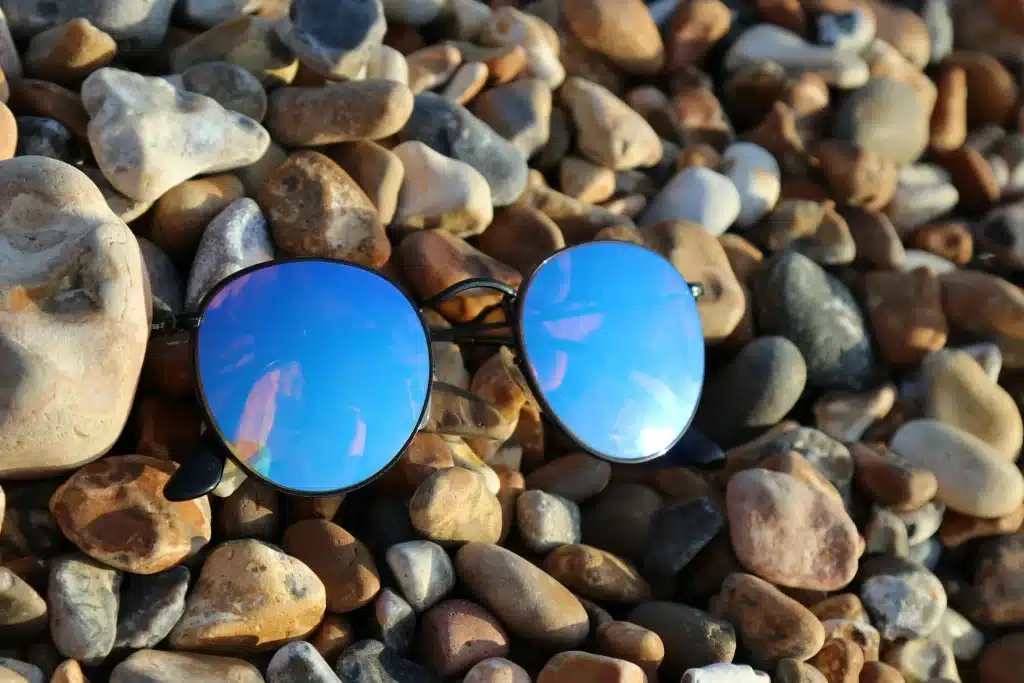
The lenses of your sunglasses play a crucial role in protecting your eyes and enhancing your vision. There are several lens materials and technologies available, each with its own benefits and drawbacks.
- Glass lenses: Known for their exceptional clarity and scratch resistance, glass lenses are a premium option for sunglasses. However, they are heavier and more prone to shattering than plastic lenses.
- Plastic lenses: Most sunglasses today feature plastic lenses, which are lightweight, durable, and affordable. The most common types of plastic lenses are CR-39 (a lightweight and impact-resistant polymer), polycarbonate (highly impact-resistant and ideal for sports), and Trivex (combining the clarity of glass with the impact resistance of polycarbonate).
- Polarized lenses: As mentioned earlier, polarized lenses reduce glare from reflective surfaces, making them an excellent choice for outdoor activities and driving. They work by filtering out horizontal light waves while allowing vertical waves to pass through, resulting in clearer, more comfortable vision.
- Photochromic lenses: Also known as Transitions lenses, photochromic lenses automatically darken when exposed to UV light and return to their original state in the absence of UV light. They are convenient for those who frequently move between indoor and outdoor environments.
- Anti-reflective coatings: Applied to the front and back of lenses, anti-reflective coatings reduce glare and reflections, improving visual clarity and comfort. They are particularly useful for night driving and working with digital devices.
- Impact-resistant lenses: Designed to withstand high-impact forces, these lenses are essential for sports and other activities where there is a risk of eye injury. Polycarbonate and Trivex lenses are naturally impact-resistant, while glass and CR-39 lenses can be treated to improve their impact resistance.
- UV protection and ratings: The most important function of sunglasses is to protect your eyes from harmful UV rays. Look for sunglasses that offer 100% UV protection or a UV400 rating, which means they block all UV rays up to 400 nanometers (encompassing both UVA and UVB rays).
- Visible Light Transmission (VLT) and lens categories: VLT refers to the amount of visible light that passes through the lenses, with lower VLT percentages indicating darker lenses. Sunglasses are categorized from 0 to 4 based on their VLT, with 0 being the lightest and 4 being the darkest. Choose a lens category appropriate for your intended use and lighting conditions.
Frame Materials and Styles
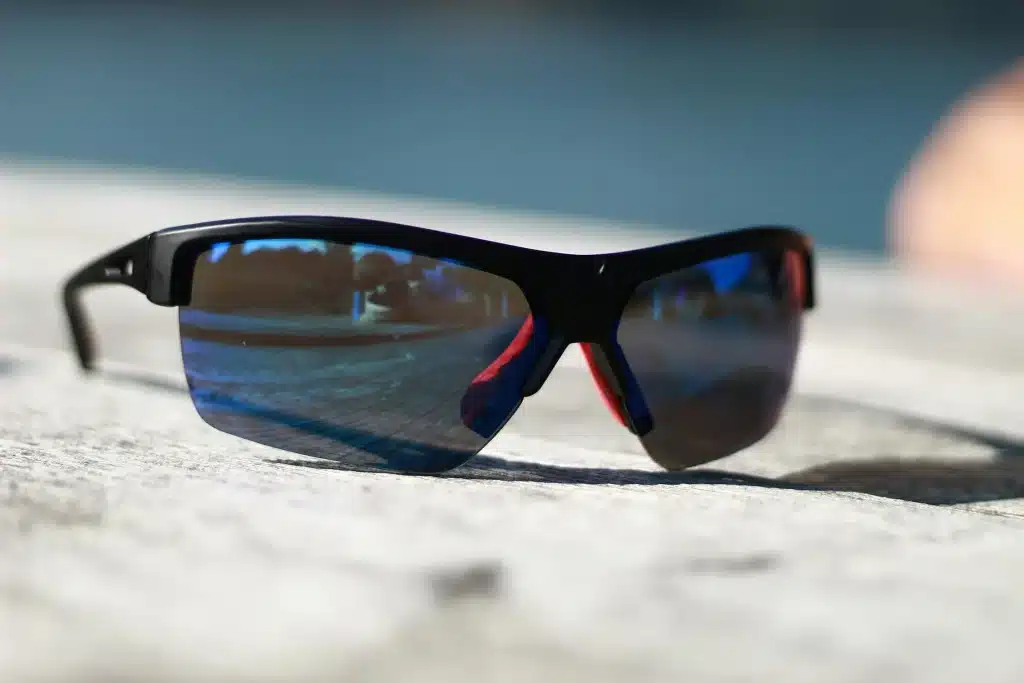
The frames of your sunglasses not only contribute to their durability and comfort but also play a significant role in their overall style and appearance. There are several frame materials and styles to choose from, each with its own advantages and disadvantages.
- Metal frames: Metal frames, such as titanium, stainless steel, and aluminum, are strong, lightweight, and corrosion-resistant. They offer a classic and sophisticated look suitable for various face shapes and styles.
- Plastic frames: Plastic frames, such as acetate and nylon, are lightweight, flexible, and available in a wide range of colors and patterns. They are a popular choice for their durability and versatility, suiting many face shapes and personal styles.
- Rimless and semi-rimless frames: Rimless frames have no frame around the lenses, while semi-rimless frames have a frame only on the top part of the lenses. Both styles offer a minimalistic and modern look, ideal for those who prefer a subtle and lightweight design.
- Foldable and compact frames: Perfect for travel and on-the-go use, foldable and compact frames can be easily stored in a pocket or small bag when not in use. They are convenient for those who frequently switch between indoor and outdoor environments or want to keep a spare pair of sunglasses handy.
- Eco-friendly and sustainable frame materials: As consumers become more environmentally conscious, many brands now offer sunglasses made from eco-friendly and sustainable materials, such as recycled plastics, wood, and bamboo. These frames are stylish and help reduce the environmental impact of eyewear production.
- Frame styles for different face shapes: When choosing sunglasses, consider your face shape to find the most flattering and comfortable frames. For example, those with round faces may benefit from angular frames that add definition, while those with square faces may prefer rounded or oval frames that soften their features.
- Adjustable nose pads and temple tips: Sunglasses with adjustable nose pads and temple tips offer a customizable fit, ensuring comfort and stability for various face shapes and sizes. They are particularly useful for those with high or low nose bridges or who struggle to find sunglasses that stay in place.
Choosing the Right Sunglasses
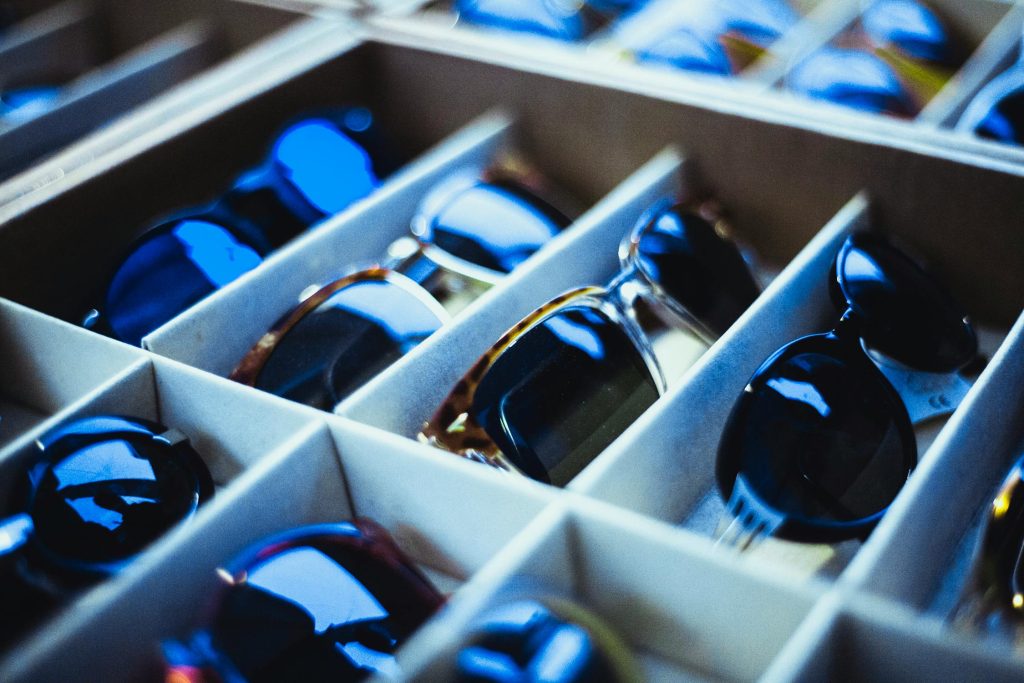
With so many types, styles, and materials available, choosing the right sunglasses can be overwhelming. However, by considering a few key factors, you can find the perfect pair that complements your face shape, lifestyle, and personal style.
Factors to consider
- Face shape: As mentioned earlier, certain frame styles and shapes suit different face shapes better. Determine your face shape (round, oval, square, heart, or diamond) and look for sunglasses that balance and compliment your features.
- Lifestyle: Consider your daily activities and hobbies when choosing sunglasses. If you lead an active lifestyle or participate in sports, look for durable, impact-resistant frames and lenses. If you spend a lot of time driving or near water, polarized lenses may be a good choice.
- Personal style: Choose sunglasses that reflect your unique style and personality. Whether you prefer a classic, vintage-inspired look or a modern, fashion-forward design, there are countless options available to suit your taste.
Sunglasses for Specific Activities
- Driving: Look for sunglasses with polarized lenses to reduce glare from the road and other vehicles. Gradient lenses can also be helpful, as they provide clearer visibility of the dashboard while still blocking the sun.
- Sports: Choose impact-resistant lenses and frames that offer a secure and comfortable fit. Wraparound styles are ideal for many sports, as they provide a wide field of vision and protect the eyes from wind and debris.
- Beach: Opt for sunglasses with high UV protection to shield your eyes from the sun’s intense rays reflected off the water and sand. Polarized lenses can also help reduce glare, making it easier to enjoy your beach day.
Sunglasses for prescription eyewear users
If you wear prescription glasses, you have several options for obtaining prescription sunglasses. You can choose to have your sunglasses custom-made with your prescription, purchase clip-on sunglass attachments for your existing glasses, or invest in photochromic lenses that darken when exposed to sunlight.
Trying on and fitting sunglasses
When shopping for sunglasses, always try them on to ensure a comfortable and secure fit. The frames should sit comfortably on your nose and ears without slipping or pinching, and the lenses should cover your eyes adequately without touching your eyelashes or cheeks. Don’t hesitate to ask for assistance from a salesperson or optician to find the best fit for your face shape and size.
Best Sunglasses for Men

Men have a wide array of sunglasses styles to choose from, ranging from classic and timeless designs to modern and trendy options. Here are some of the best sunglasses for men:
Classic styles for men
- Aviators: With their iconic teardrop shape and thin metal frames, aviators are a versatile and masculine choice that suits most face shapes.
- Wayfarers: The thick plastic frames and trapezoidal lenses of wayfarers offer a retro-inspired look that is both stylish and flattering on many face shapes.
- Clubmasters: Combining a plastic browline with a thin metal frame, clubmasters exude sophistication and are a great choice for those with oval, round, or heart-shaped faces.
Sporty and performance sunglasses for men
Men who lead an active lifestyle or participate in sports should look for sunglasses with impact-resistant lenses, durable frames, and a secure fit. Brands like Oakley, Smith, and Nike offer a wide range of sporty and performance sunglasses designed for various activities, such as running, cycling, and fishing.
Trendy and fashion-forward styles for men
For men who want to stay on-trend, there are countless fashion-forward sunglasses styles available. Some popular options include round frames, mirrored lenses, and unique color combinations. Keep an eye on current trends and don’t be afraid to experiment with different styles to find what works best for you.
Sunglasses for different face shapes
Men should consider their face shape when choosing sunglasses to ensure a flattering and comfortable fit. For example, those with round faces may benefit from angular frames that add definition, while those with square faces may prefer rounded or oval frames that soften their features. Heart-shaped faces often look best with wayfarer or aviator-style frames that balance the narrowness of the chin.
Best Sunglasses for Women

Women have an even wider selection of sunglasses styles to choose from, with options ranging from classic and feminine to bold and fashion-forward. Here are some of the best sunglasses for women:
Iconic styles for women
- Cat-eye: With their upswept outer edges and feminine flair, cat-eye sunglasses are a retro-inspired style that adds glamour to any outfit. They are particularly suited for those with round or oval face shapes.
- Oversized: Large lenses and frames offer maximum coverage and a bold, fashion-forward look. Oversized sunglasses are a great choice for those who want to make a statement or enjoy a retro-inspired aesthetic.
- Round: Circular lenses and frames offer a vintage-inspired look that is both stylish and flattering on many face shapes, particularly those with angular or square features.
Feminine and glamorous sunglasses for women
Women who prefer a more feminine and glamorous look can opt for sunglasses with embellishments, such as jeweled temples, floral prints, or unique color combinations. Brands like Prada, Gucci, and Dolce & Gabbana offer a wide range of luxury sunglasses that exude sophistication and elegance.
Sporty and active sunglasses for women
Women who lead an active lifestyle or participate in sports should look for sunglasses with impact-resistant lenses, durable frames, and a secure fit. Many sports sunglasses brands now offer styles specifically designed for women, with smaller frames and feminine color options.
Sunglasses for different face shapes
As with men, women should consider their face shape when choosing sunglasses. Round faces often benefit from angular or geometric frames that add definition, while square faces may prefer round or oval frames that soften their features. Heart-shaped faces look great with cat-eye or oversized frames that balance the narrowness of the chin, and oval faces can wear most styles comfortably.
Best Sunglasses for Kids

Protecting children’s eyes from the sun’s harmful rays is just as important as protecting adults’ eyes. Here are some tips for choosing the best sunglasses for kids:
- Importance of sunglasses for children’s eye health: Children’s eyes are more sensitive to UV radiation than adults’ eyes, making it crucial for them to wear sunglasses with 100% UV protection from an early age. Prolonged exposure to UV rays can lead to various eye problems later in life, such as cataracts and macular degeneration.
- Styles and features to look for in kids’ sunglasses: When shopping for kids’ sunglasses, look for durable, flexible frames that can withstand the wear and tear of childhood activities. Rubber or silicone nose pads and temple tips can help keep the sunglasses in place and prevent slipping. Choose lenses with 100% UV protection and impact resistance to ensure maximum safety and comfort.
- Popular brands and designs for children: Many popular sunglasses brands, such as Ray-Ban, Oakley, and Maui Jim, offer children’s collections with fun colors, patterns, and designs. Look for styles that appeal to your child’s interests and preferences to encourage them to wear their sunglasses regularly.
- Tips for getting kids to wear sunglasses: To help your child develop the habit of wearing sunglasses, start by setting a good example and wearing your own sunglasses consistently. Choose sunglasses together, allowing your child to have a say in the style and color. Make wearing sunglasses a fun and positive experience by praising your child when they remember to put them on and rewarding them for consistent use.
Caring for Your Sunglasses
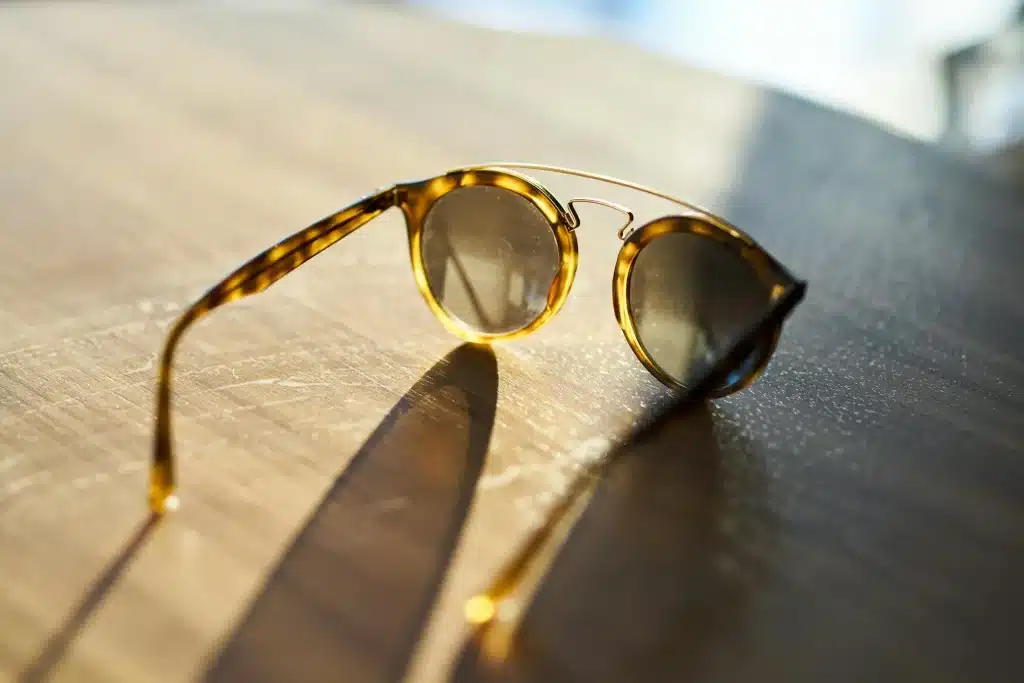
To ensure that your sunglasses last as long as possible and maintain their quality, it’s essential to properly care for and store them. Here are some tips for caring for your sunglasses:
- Cleaning and maintenance tips: Clean your sunglasses regularly with a soft, microfiber cloth to remove dirt, smudges, and oils. Avoid using paper towels, tissues, or rough fabrics, as these can scratch the lenses. When not in use, store your sunglasses in a protective case to prevent damage and maintain their shape. If your sunglasses have nose pads or hinges, check them periodically for signs of wear or loosening, and tighten or replace them as needed to ensure a comfortable and secure fit.
- How to properly clean and store your sunglasses: To clean your sunglasses, rinse them under lukewarm water to remove any debris. Apply a small amount of gentle, lotion-free soap to the lenses and frames, and gently rub with your fingers. Rinse thoroughly and dry with a clean, soft cloth. When not in use, store your sunglasses in a protective case to prevent scratches and damage.
- Storage and protection: Always store your sunglasses in a sturdy, padded case when not in use. This will help prevent scratches, dings, and other damage that can occur when sunglasses are left loose in a bag or pocket. Many sunglasses come with a microfiber pouch that can be used for storage and cleaning.
- Repair and replacement options: If your sunglasses become damaged, don’t attempt to repair them yourself, as this may void any warranties or cause further damage. Instead, contact the manufacturer or an authorized retailer to inquire about repair or replacement options. Many brands offer warranty programs that cover defects and damage for a specified period.
- Warranty and customer service: When purchasing sunglasses, consider the brand’s warranty and customer service policies. Look for brands that offer comprehensive warranties covering defects and damage and have a reputation for excellent customer service. This can provide peace of mind and ensure that you are able to enjoy your sunglasses for years to come.
Sunglasses Brands and Designers

There are countless sunglasses brands and designers available, ranging from high-end luxury labels to affordable, budget-friendly options. Here are some notable brands and designers:
- High-end and luxury brands: Luxury sunglasses brands, such as Ray-Ban, Oakley, Prada, Gucci, and Tom Ford, offer premium materials, craftsmanship, and styles. These brands often feature innovative technologies, such as polarized lenses and high-performance coatings, and are known for their durability and long-lasting quality.
- Affordable and budget-friendly brands: For those on a budget, there are many affordable sunglasses brands that offer stylish and functional options. Brands like Suncloud, Sungait, and ZeroUV provide a wide range of styles and colors at accessible price points without sacrificing UV protection or overall quality.
- Specialty and niche brands: Some sunglasses brands cater to specific niches or activities, such as sports performance or eco-friendly materials. For example, Costa del Mar specializes in polarized sunglasses for fishing and water sports, while Zeal Optics offers plant-based frames and lenses for environmentally conscious consumers.
- Collaborations and limited editions: Many sunglasses brands collaborate with designers, celebrities, and other brands to create unique, limited-edition styles. These collaborations often feature exclusive colors, patterns, and design elements that set them apart from the brand’s regular offerings. Keep an eye out for these special releases to add a distinctive and collectible pair of sunglasses to your collection.
Sunglasses Trends and Fashion
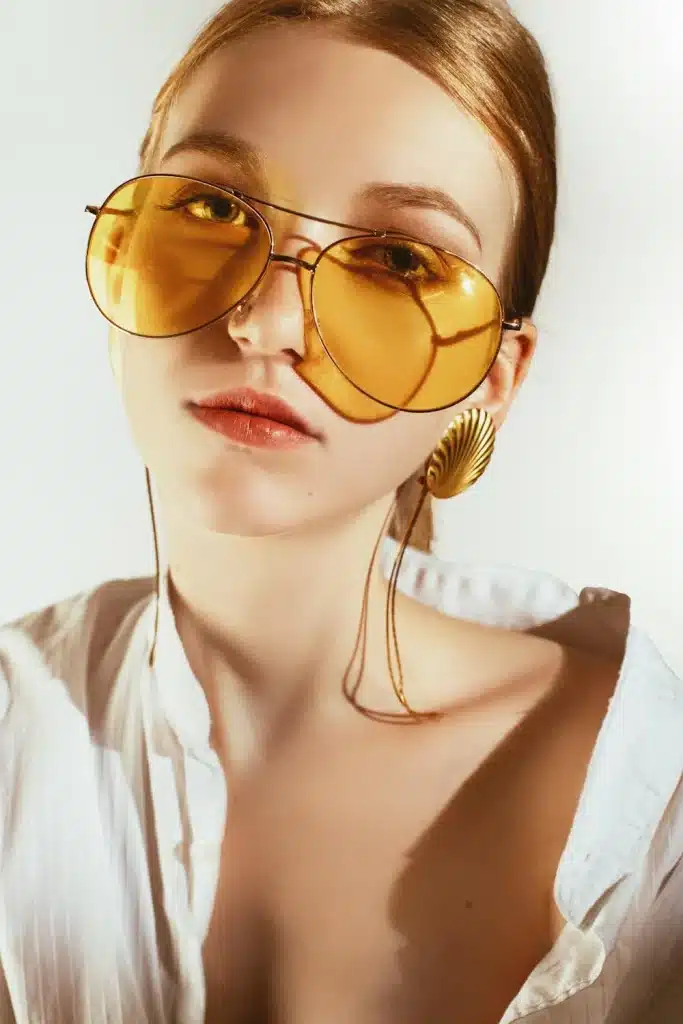
Sunglasses trends and fashion are constantly evolving, with new styles and designs emerging each season. Here are some insights into current and upcoming trends:
- Current and upcoming trends: Some of the latest sunglasses trends include oversized frames, narrow, rectangular shapes, and unique color combinations. Retro-inspired styles, such as cat-eye and round frames, continue to be popular, while futuristic designs with mirrored lenses and unconventional shapes are gaining traction.
- Celebrity and influencer styles: Celebrities and social media influencers often drive sunglasses trends by showcasing their favorite styles and brands. Keep an eye on popular figures in fashion, music, and entertainment to stay up-to-date on the latest sunglasses trends and get inspiration for your own collection.
- Sunglasses in popular culture: Movies, television shows, and music videos can also influence sunglasses trends. Iconic characters and memorable fashion moments can popularize specific styles and brands, such as Tom Cruise’s aviators in “Top Gun” or Audrey Hepburn’s oversized frames in “Breakfast at Tiffany’s.”
- Styling tips and outfit ideas: To incorporate sunglasses into your personal style, consider the overall aesthetic you want to achieve. Classic styles like aviators and wayfarers are versatile and can be paired with a wide range of outfits, while bolder, fashion-forward designs can serve as statement pieces.
Don’t be afraid to experiment with different styles and color combinations to find what works best for you.
Sunglasses Accessories

In addition to the sunglasses themselves, there are various accessories available to enhance your sunglasses-wearing experience and protect your investment. Here are some popular sunglasses accessories:
- Straps and chains: Sunglasses straps and chains are designed to keep your sunglasses secure and easily accessible when not in use. They can be particularly useful for active individuals or those who frequently remove their sunglasses throughout the day.
- Lens replacement and customization: Some sunglasses brands offer lens replacement and customization services, allowing you to update your lenses with new colors, coatings, or prescription strengths. This can be a cost-effective way to refresh your favorite frames without purchasing an entirely new pair.
- Personalized and custom-made sunglasses: For a truly unique and tailored look, consider investing in personalized or custom-made sunglasses. Some brands offer the option to customize frames with engraved initials, while others allow you to select specific frame and lens combinations to create a one-of-a-kind pair.
- Gift ideas and sets: Sunglasses make excellent gifts for fashion-conscious friends and loved ones. Many brands offer gift sets that include sunglasses, cases, and cleaning cloths, making it easy to give a thoughtful and practical present.
- Sunglass cases and pouches: As mentioned earlier, a protective case or pouch is essential for storing and transporting your sunglasses safely. Look for cases that are sturdy, padded, and lined with a soft material to prevent scratches and damage.
Frequently Asked Questions (FAQs)
How often should I replace my sunglasses?
The lifespan of your sunglasses depends on factors such as frequency of use, storage, and care. As a general rule, replace your sunglasses every 1-2 years, or sooner if you notice any scratches, cracks, or damage that may compromise their UV protection or vision quality.
Can I wear sunglasses indoors?
While it’s not harmful to wear sunglasses indoors, it’s generally not necessary unless you have a specific eye condition or sensitivity to light. Wearing sunglasses indoors may also make it difficult to see clearly and interact with others.
Are expensive sunglasses worth the investment?
High-end sunglasses often feature premium materials, advanced technologies, and superior craftsmanship that can justify their higher price points. However, there are also many affordable sunglasses brands that offer excellent quality and UV protection. Ultimately, the worth of expensive sunglasses depends on your personal preferences, budget, and intended use.
How can I tell if my sunglasses have adequate UV protection?
Look for sunglasses that are labeled as offering 100% UV protection or UV400 protection, which means they block all UV rays up to 400 nanometers. If you’re unsure about the UV protection of your sunglasses, consult with an optometrist or optician who can test the lenses for you.
Can I use my prescription glasses as sunglasses?
If your prescription glasses have photochromic lenses that darken when exposed to sunlight, you may be able to use them as sunglasses. However, for optimal UV protection and comfort, it’s best to invest in a separate pair of prescription sunglasses or clip-on sunglass attachments.
Glossary
- Acetate: A type of plastic commonly used in sunglass frames, known for its durability, flexibility, and wide range of color options.
- Anti-reflective coating: A thin layer applied to lenses to reduce glare and reflections, improving visual clarity and comfort.
- Polarized lenses: Lenses with a special filter that blocks horizontal light waves, reducing glare from reflective surfaces like water and snow.
- Photochromic lenses: Lenses that automatically darken when exposed to UV light and return to their original state in the absence of UV light.
- UV protection: The ability of sunglasses to block harmful ultraviolet (UV) rays from reaching the eyes, which can cause damage and increase the risk of eye problems.
- Visible Light Transmission (VLT): The amount of visible light that passes through sunglass lenses, with lower percentages indicating darker lenses.
- Wayfarers: A classic sunglass style characterized by thick plastic frames and trapezoidal lenses, popularized by celebrities in the 1950s and 1960s.
- Aviators: A timeless sunglass style featuring thin metal frames and large, teardrop-shaped lenses, originally designed for pilots in the 1930s.
- Cat-eye sunglasses: A retro-inspired sunglass style with upswept outer edges resembling a cat’s eye, adding a feminine and glamorous touch to any outfit.
- Clubmasters: A vintage-inspired sunglass style combining a plastic browline with a thin metal frame, exuding sophistication and coolness.
Conclusion: The Sunglasses Bible
Sunglasses are an essential accessory for protecting your eyes from the sun’s harmful UV rays while expressing your personal style. By understanding the various types, materials, and technologies available, you can make an informed decision when choosing the perfect pair of sunglasses for your face shape, lifestyle, and aesthetic preferences.
Remember, sunglasses are not just a fashion statement; they play a crucial role in maintaining the health and longevity of your eyes. By investing in a quality pair of sunglasses with 100% UV protection, you can significantly reduce your risk of developing eye problems like cataracts, macular degeneration, and even eye cancer.
While it may be tempting to opt for cheaper, lower-quality sunglasses, investing in a well-crafted pair from a reputable brand can provide long-lasting comfort, durability, and protection. Consider your sunglasses an investment in your eye health and personal style, and don’t hesitate to spend a little extra on a pair that will serve you well for years to come.
Before You Go
Now that you’ve learned all about the importance of sunglasses and how to choose the perfect pair, it’s time to show off your style and share your love for this essential accessory with the world! We invite you, our dear readers, to participate in our #MrWayne sunglasses showcase.
Simply snap a photo of yourself wearing your favorite sunglasses and share it on your preferred social media platform, using the hashtag #MrWayne.
By sharing your story and photos, you’ll have the chance to be featured on mrwayne.com or our social media channels, inspiring others with your fashion sense and passion for eye health. Plus, you’ll be joining a community of sunglasses enthusiasts who appreciate the power of a great pair of shades.
So, what are you waiting for? Grab your favorite sunglasses, strike a pose, and share your #MrWayne moment with the world. We can’t wait to see your style and hear your stories!
Explore the perfect blend of style and protection with our sunglasses collection today and find your perfect pair!
Further Reading
To deepen your understanding and appreciation of sunglasses, consider exploring these additional resources:
- History of Sunglasses – Wikipedia: This comprehensive entry provides an in-depth look at the evolution of sunglasses from their early origins to modern-day innovations.
- A Brief History of Sunglasses – Sunglass Museum: Dive into the sartorial and practical invention of sunglasses and their cultural significance throughout history.
The Evolution of Sunglasses – Google Arts & Culture: This visual and textual narrative explores the development of sunglasses, featuring historical artifacts and insights into their use across different cultures.


Pingback: Top Benefits of Prescription Sunglasses for Men